

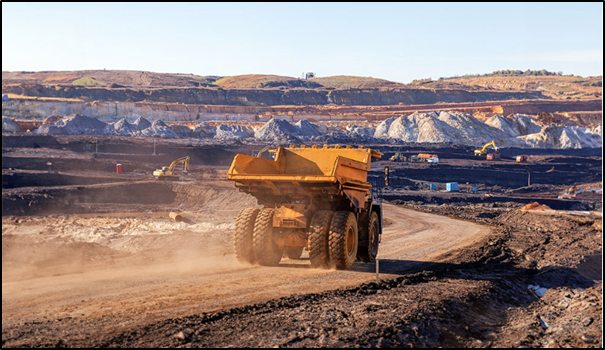
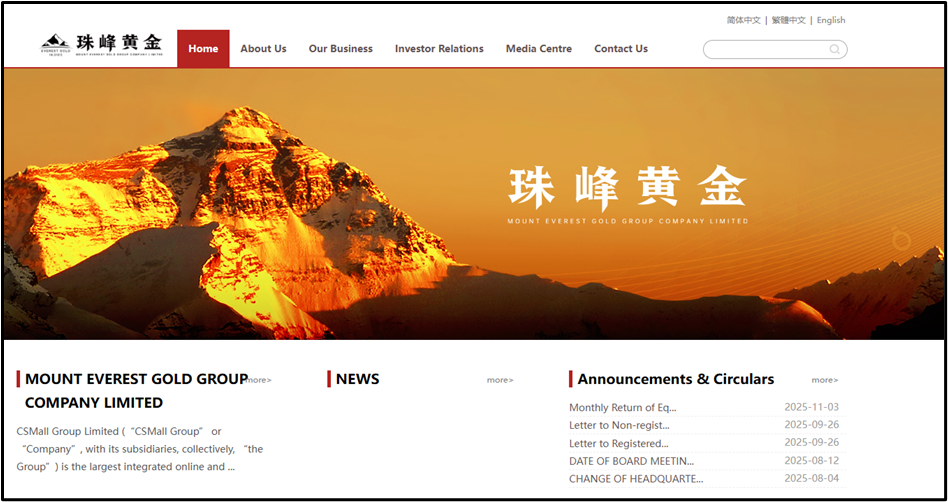
Mount Everest Gold Group, a Hong Kong-listed Chinese firm formerly known as CSMall, alongside partners like China Silver, plans to inject up to 1.75 billion yuan ($245 million) into gold mining projects in Lhokha and Shigatse in southern Tibet over the next two years. This massive funding 600 million yuan for Lhokha and 1.15 billion yuan for Shigatse will fund drilling, mapping, and feasibility studies in 2026-2027, ostensibly advancing from exploration to production. Framed by Beijing as bolstering “resource security” and local growth, these ventures epitomize China’s colonial plunder of Tibet’s mineral wealth, ignoring the catastrophic human and ecological toll.
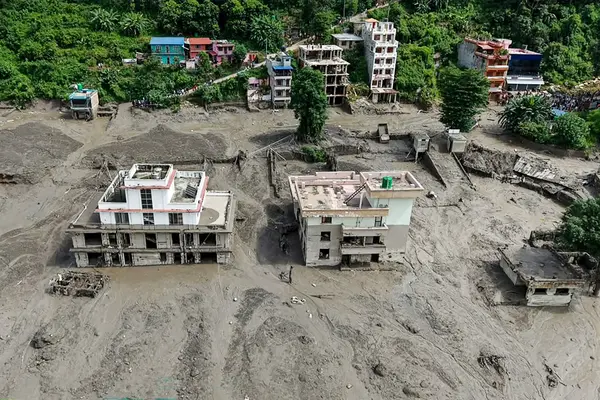
According to the Tibetan Review, Tibet, dubbed the “Third Pole” for its vast glaciers and rivers feeding nearly two billion Asians, faces irreversible damage from such mining. Past projects have unleashed heavy metal pollution into waterways, accelerating soil erosion, biodiversity loss, and glacier melt at twice the global warming rate. Lithium extraction at Shigatse’s Zabuye Salt Lake and Golmud, producing tens of thousands of tonnes annually, poisons fragile high-altitude ecosystems under the guise of “green development” for EV batteries. Critics decry this as greenwashing, with fireworks displays and unchecked extraction highlighting Beijing’s hypocrisy.
Displacement and Erasure of Tibetan Livelihoods
These initiatives uproot Tibetans from ancestral lands, stripping nomads and farmers of grazing pastures and water sources essential to their survival. Since China’s 1950 invasion, resource grabs like copper mining near sacred Mount Kailash have forced relocations, with locals receiving no benefits while Beijing reaps billions. Protests against dams and mines in Derge trigger brutal crackdowns mass arrests, beatings, and fabricated charges silencing dissent. Sand mining scandals reveal token fines for illegal operations that erode home foundations, as censors blot out Tibetan videos exposing the ruin.
Colonial Extraction Masquerading as Progress
Mount Everest Gold’s pivot from jewelry retail to Tibet’s gold fields, eyeing 20-25 tonnes in Lhokha alone, signals surging investor confidence in Beijing’s frontier loot. Partner China Silver’s 250-million-yuan infusion post-stock placement underscores state-backed momentum. Yet this “strategic injection” serves China’s dominance in critical minerals like gold, lithium, and copper, not Tibetan welfare locals endure pollution while profits flow eastward. Global firms in EV supply chains risk abetting this “red imperialism,” where occupation fuels human rights abuses.
Mount Everest Gold Group (1815.HK) faces backlash for its $245M Tibet mining push in Lhokha and Shigatse, fueling China’s destructive resource grab that pollutes sacred lands, displaces nomads, and erodes glaciers. Revenues plunged 62% yearly amid overvalued shares (P/E 51.9x), signaling financial fragility. Protests trigger arrests; locals get no benefits as Beijing prioritizes plunder over ecology.
India champions Tibet’s fragile ecology through diplomatic pressure and border vigilance, countering China’s plunder while advancing sustainable Himalayan development via eco-tourism and clean energy. New Delhi’s firm stance protects shared water sources for 1.8 billion, rejecting Beijing’s greenwashing lithium grabs that poison rivers.
A Template of Repression and Impunity
If successful, these projects could blueprint further assaults on Tibet’s resources, drawing more capital to Shigatse and Lhokha. Beijing violates its own laws with environmentally lax operations, jailing complainants on trumped-up charges. The Tibetan government-in-exile condemns this as irresponsible exploitation threatening Asia’s water tower. International scrutiny must intensify: boycotts, sanctions, and demands for Tibetan consent could halt the plunder. China’s mining frenzy in Tibet isn’t development it’s destruction, demanding global action now.








Leave a Reply