


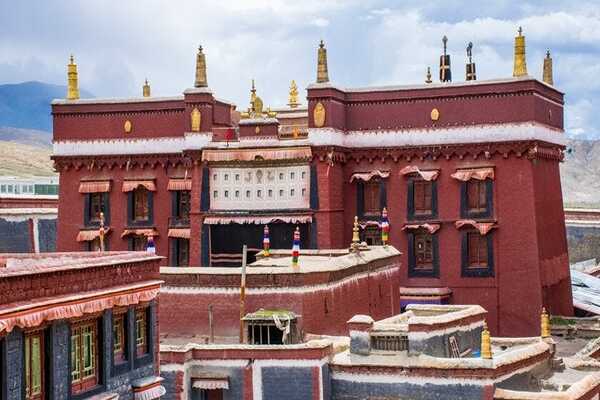
The video is difficult for Tibetans to watch not because it is graphic, but because it is humiliating. Circulating widely on Chinese social media, the footage shows a Chinese tourist inside a Tibetan Buddhist monastery casually drinking liquid from a shrine altar before pouring the remainder into a butter lamp. In a single sequence, the tourist desecrates two of the most sacred elements of Tibetan Buddhist ritual. For Tibetans, both inside Tibet and in exile, the act is not ignorance. It is an insult.
Online, Tibetan reactions were immediate and furious. The behaviour was condemned as a “shameless provocation,” a “blatant insult,” and a calculated trampling of cultural and religious boundaries. “Monasteries are not a stage for tourists to gain attention,” one Tibetan netizen wrote, urging judicial authorities and cyber police to intervene. Another stressed that this was not about unfamiliarity with customs. “This is not simple disrespect. It is humiliating. This is an open provocation. The bottom line of culture cannot be trampled.”
At the core of the outrage lies the desecration of sacred objects. Shrine offerings are consecrated and reserved exclusively for ritual purposes. Butter lamps, lit as acts of devotion, symbolize purity, compassion, and enlightenment. Drinking from an altar and contaminating a butter lamp is not merely rude it renders these sacred items spiritually defiled and unusable. For monks and devotees, it is an assault on the sanctity of worship itself.
Yet this incident also exposes a deeper and more corrosive problem: the steady erosion of respect for Tibetan religious life under China’s tourism first governance of Tibet. Monasteries are increasingly treated as scenic backdrops rather than living spiritual institutions. Visitors ignore basic expectations of reverence, silence, and restraint. What should be spaces of contemplation and devotion are reduced to spectacle.
Worse still is the rise of performative disrespect, fuelled by social media. Sacred spaces are transformed into stages for viral attention, where shocking behaviour becomes currency. This not only humiliates Tibetans but also poisons genuine cultural exchange, alienating visitors who approach Tibetan culture with sincerity and respect.
The anger is intensified by what Tibetans see as systemic impunity. Despite the viral spread of the footage, there has been no visible response from Chinese authorities. This silence is especially glaring in a system known for its relentless censorship. Bhuchung K. Tsering of the International Campaign for Tibet pointedly noted the contradiction: Chinese censors are omnipresent, yet when Tibetan religious sentiment is violated, enforcement disappears.
Renowned Tibetan writer and poet Tsering Woeser has linked such incidents to long-standing official tolerance. Under the banner of “cultural tourism” promoted as one of Tibet’s “nine major industries” tourists have effectively become untouchable. “The outrageous behaviour of tourists is a direct result of long-term tolerance,” she wrote. Authorities, she argued, have chosen to look away, allowing offenses to multiply while Tibetans are left with anger instead of justice.
This dynamic reflects an unequal power structure in which Tibetans feel unable to defend their most sacred spaces. Complaints go unanswered, violations go unpunished, and resentment accumulates. Over time, repeated desecration normalizes the trivialization of Tibetan Buddhism itself, hollowing out centuries-old traditions.
The consequences extend beyond religious offense. Public humiliation of deeply held beliefs fuels resentment and threatens social harmony in an already fragile region. Tibetan netizens warned that such unchecked behaviour does not strengthen unity it fractures it.
This incident is not an aberration. It is the predictable outcome of policies that prioritize profit and control over dignity and belief. Until China enforces meaningful protections for Tibetan monasteries, educates visitors, and holds violators accountable, sacred spaces will remain exposed and Tibetans will continue to watch their spiritual heritage treated as disposable.













Leave a Reply