

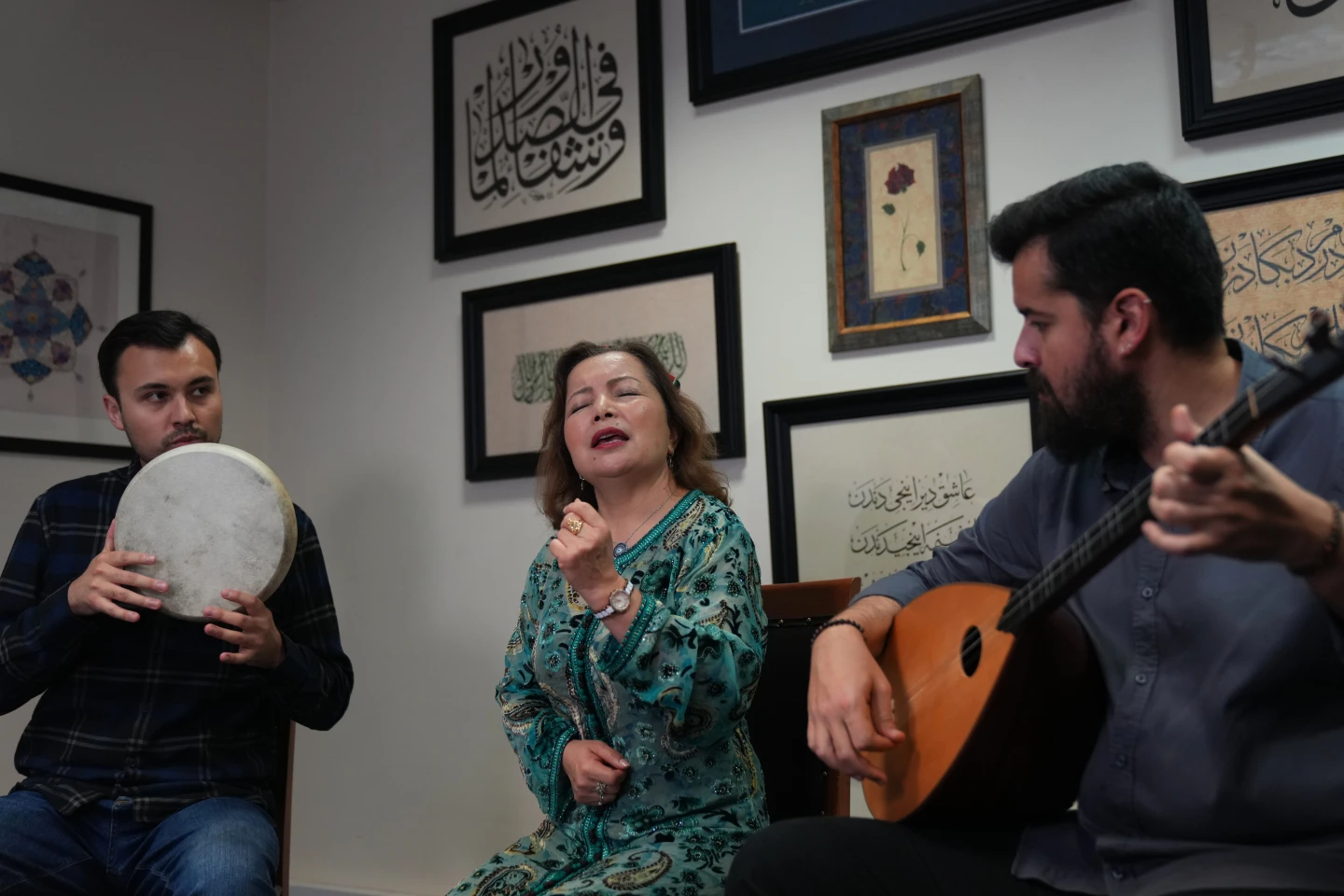
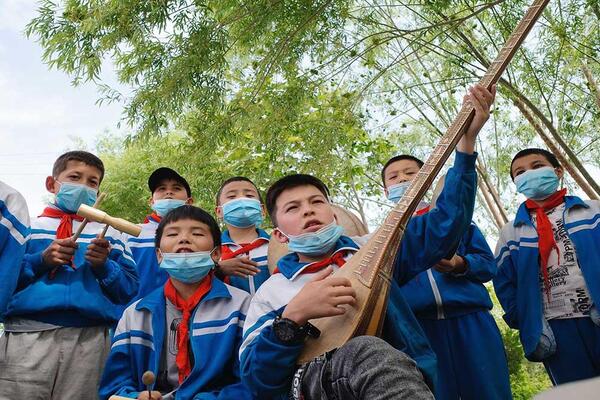
Music has long been the safest vessel of memory a way for communities to pass down love, faith, and history when words are silenced. But in China’s Xinjiang region, even a simple folk tune can be deemed subversive. The Uyghur song “Besh Pede”, once sung joyfully at weddings and celebrations, is now considered a threat to state security. What was a melody of belonging has become evidence of dissent.
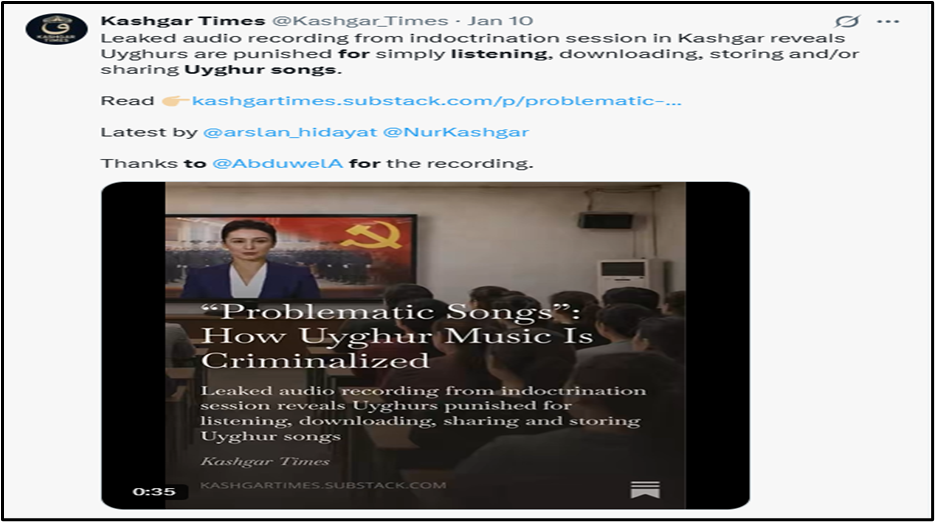
According to a leaked recording from a police meeting in Kashgar last October, shared by the Norway-based nonprofit Uyghur Help, revealed that “Besh Pede” and dozens of other Uyghur songs have been classified as “problematic.” Officials warned residents that owning or sharing these melodies could lead to imprisonment. Even common religious greetings, such as “As-salamu alaykum”, have been discouraged, replaced with “May the Communist Party protect you.” In today’s Xinjiang, words of faith and songs of love alike have become political acts.
Former residents say their relatives have been detained for listening to Uyghur music. One music producer received a three-year prison sentence for uploading “sensitive” songs to his cloud account. Each case reflects a larger effort to erase a people’s cultural and spiritual identity. By criminalizing art, the state severs intergenerational memory silencing traditions that once united communities.
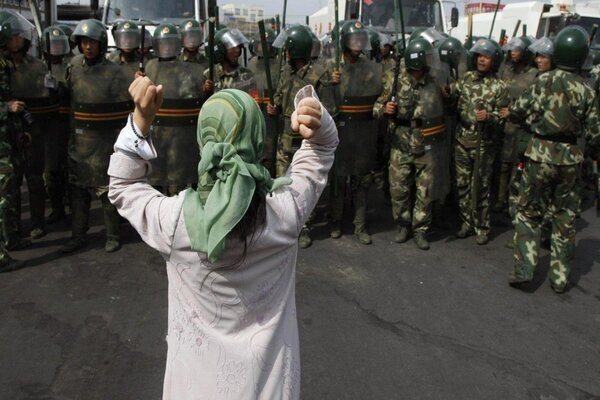
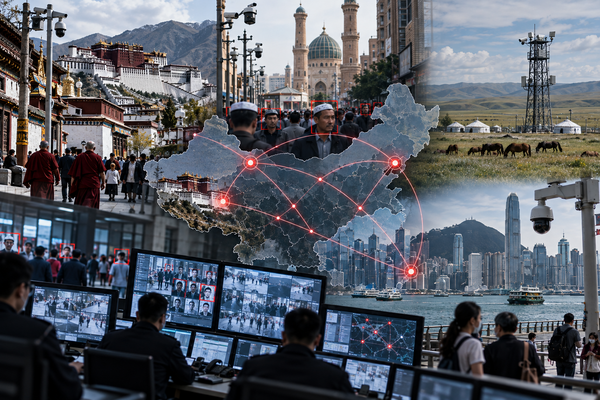
This suppression extends beyond music. Religious devotion, prayer, or Islamic expressions are frequently labelled as “extremism.” Mosques have been demolished or repurposed, while fasting during Ramadan or educating children in faith can attract punishment. Beijing insists these measures are anti-terror efforts, yet there is no evidence that folk songs or worship promote violence. Instead, an intricate system of surveillance now monitors phones, social media, and cloud accounts, turning ordinary behaviour into incriminating data. Fear has replaced trust, and silence has become a strategy for survival.
A 2022 United Nations Human Rights Office (OHCHR) report, released following the visit of then High Commissioner Michelle Bachelet, reinforced these concerns. The report found that “allegations of patterns of torture, ill-treatment, forced medical treatment, and sexual and gender-based violence are credible.” It stated that widespread arbitrary detentions, restrictions on religion, and deprivation of fundamental freedoms “may constitute crimes against humanity.” The UN called on China to release those held in camps or prisons, reveal the whereabouts of detainees, and review Xinjiang’s counterterrorism policies to align with international law. Beijing rejected the findings, defending its actions as lawful counterterrorism measures and denying any systematic rights abuses.
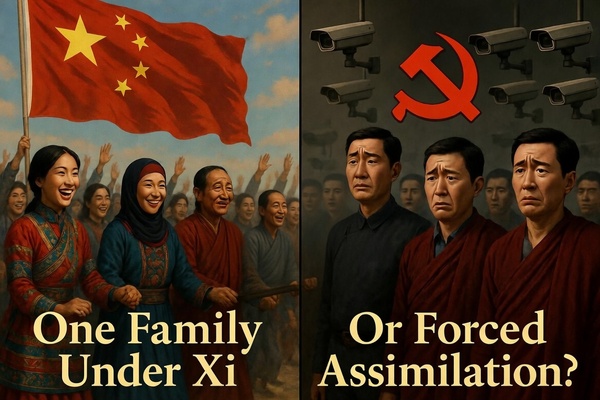
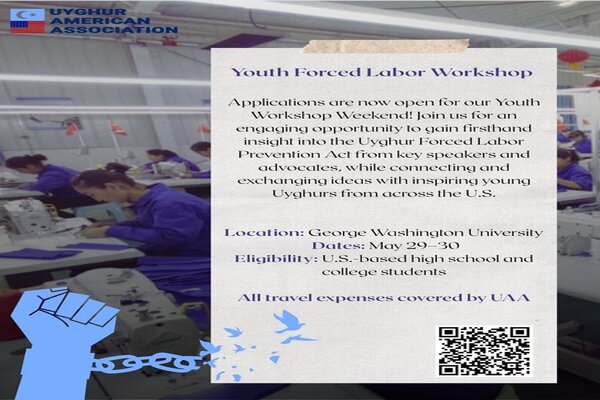
Beyond detentions, Uyghurs face forced labor under “poverty alleviation” programs, family separations, and cultural indoctrination. Children are sent to state-run schools where they must speak Mandarin and pledge loyalty to the Communist Party. Intellectuals’ poets, musicians, and scholars have been disproportionately targeted, silencing those most capable of preserving Uyghur heritage. Communities live under collective punishment: when one person is detained, entire families face surveillance or social exclusion.
The psychological toll is immense. Elders fear teaching songs to children; relatives abroad hesitate to share music online, afraid their families back home could suffer repercussions. Each detention erases not only a voice but also a link in the chain of collective memory. This systematic assault on language, faith, and expression leaves autonomy in name only.
The silencing of Uyghur music is not merely the suppression of sound it is the deliberate erasure of memory, faith, and belonging. Every banned lyric and vanished melody deepens a collective wound that words alone cannot heal. Yet even in exile, the echoes of “Besh Pede” endure proof that identity cannot be jailed and faith cannot be programmed out of existence. As long as a single Uyghur remembers the tune, China’s campaign of silence will never truly succeed.











Leave a Reply