

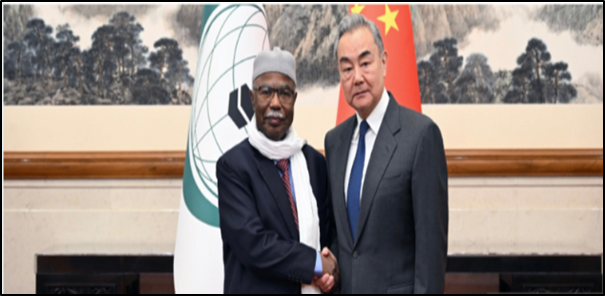
Islamic governments and the Organization of Islamic Cooperation (OIC) stand accused of turning their backs on one of the most persecuted Muslim communities in the world: the Uyghurs of East Turkistan. While Beijing tightens its grip through mass detention, forced labour, and a systematic assault on Uyghur faith and identity, many Muslim majority states have chosen silence and closer partnership with China over solidarity with oppressed Muslims. For the World Uyghur Congress (WUC), this silence is not just disappointing it is a profound moral failure that exposes a painful gap between the principles Islamic countries claim to uphold and the reality of their diplomacy.
According to the uyghurcongress.org, the WUC says that the OIC, which was created to protect the rights and dignity of Muslims worldwide, is failing in its basic duty. Instead of raising China’s alleged genocide against Uyghurs, the talks highlighted “friendship” and “mutual understanding.” This, the WUC argues, sends a painful message: many Islamic countries are unwilling to confront Beijing or even publicly acknowledge the crimes Uyghurs are facing.
The WUC called on Secretary General Taha and all OIC member states to start openly raising Uyghur human rights in every meeting with Chinese officials. It warned that deeper OIC China cooperation, without any criticism of abuses, causes fear, sadness, and anger among Uyghurs and the wider Muslim community. Despite years of international concern, the WUC notes that China’s core policies in East Turkistan have not changed mass detention, forced labour, and attempted to wipe out Uyghur culture continue.
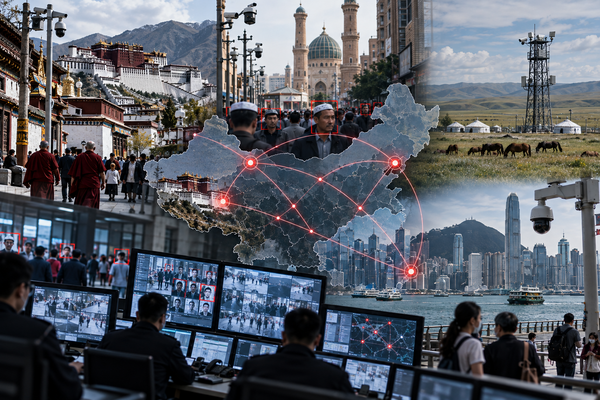
The organization refers to a statement from UN human rights experts issued on 22 January. These experts expressed alarm over the large‑scale use of forced labour against Uyghurs, Tibetans, and other minorities in China, saying the situation may amount to crimes against humanity such as forcible transfer or enslavement. The WUC estimates that more than one million Uyghurs and around 650,000 Tibetans are trapped in forced labour programmes, while millions of Uyghurs remain detained in camps, prisons, or under heavy surveillance.
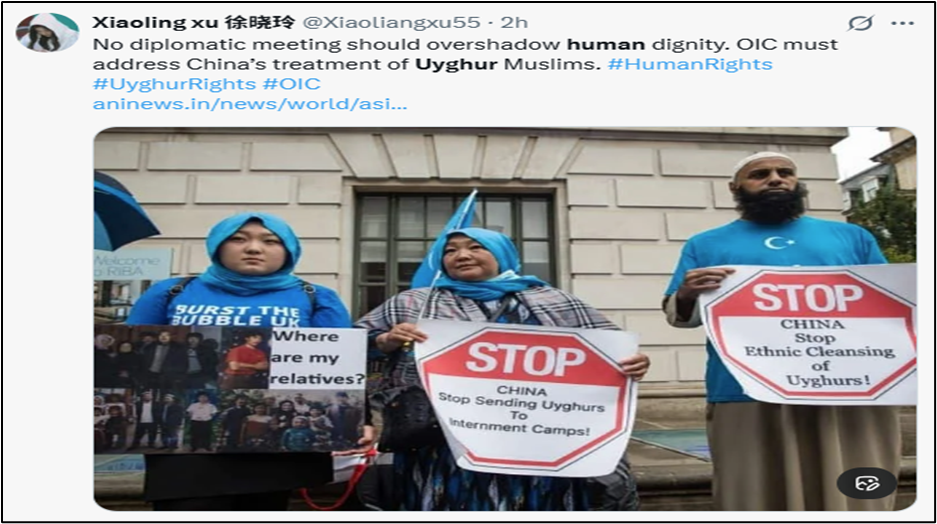
Religious and cultural life has also been severely attacked. Research cited by the WUC shows that since 2017, nearly two‑thirds of mosques in the Uyghur region have been damaged or destroyed, with about half completely demolished. Rights groups have documented the disappearance, detention, or imprisonment of over a thousand Uyghur and other Turkic religious figures. Uyghurs have reportedly been given long prison sentences for simple expressions of faith such as praying regularly, teaching religion, or owning a Quran.
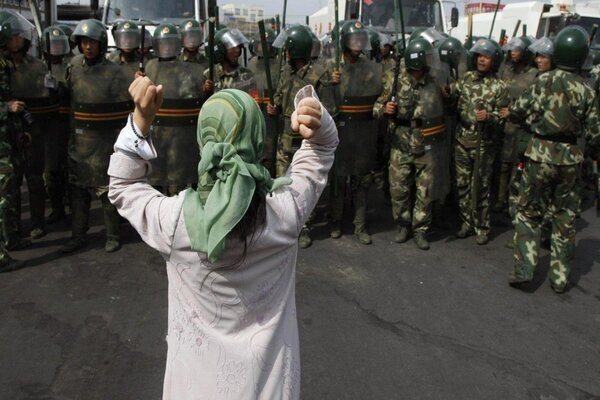
The WUC says that, taken together, these actions show a clear plan to erase Uyghur identity. Women have been subjected to forced sterilisation, the Uyghur language has been removed from many schools, children have been separated from their families, and mosques, shrines, graveyards, and homes have been destroyed. According to the WUC, China is trying to forcibly assimilate Uyghurs and destroy their religious and cultural roots.
The WUC accuses Islamic governments of complicity through silence. WUC President Turgunjan Alawdun says the OIC uses a “selective approach,” refusing to speak up for Uyghurs in bilateral talks with China or in multilateral forums. He argues that member states must push the organisation to “break the silence” and live up to the values they claim to defend.
A separate WUC statement harshly criticises the OIC for “siding with China” on the Uyghur issue. During the Beijing visit, Chinese officials publicly praised the OIC for supporting China’s “core interests,” including its position on Xinjiang. In response, Secretary‑General Taha reaffirmed the OIC’s support for China’s stance. For the WUC, this shows that many Islamic countries are putting economic and diplomatic interests with Beijing above their moral and religious duty toward fellow Muslims who are facing mass detention, forced labour, strict surveillance, and restrictions on worship.
The WUC’s message leaves little room for doubt: the treatment of Uyghur Muslims has become a mirror in which the Muslim world must confront its own priorities and principles. As China deepens its campaign of detention, forced labour, and cultural erasure, the continued silence or open alignment of many Islamic governments exposes a dangerous gap between rhetoric and reality. If an organisation created to defend Muslim rights cannot speak clearly for one of the most persecuted Muslim peoples, its moral authority is gravely weakened.
Unless OIC member states are willing to challenge Beijing, demand accountability, and defend basic freedoms such as worship and mother‑tongue education, their calls for justice elsewhere will ring hollow. The choice before them is stark: protect political and economic ties with China, or stand with Uyghur Muslims whose faith, identity, and future are under direct attack. For the WUC, and for many watching around the world, the way Islamic countries respond to the Uyghur crisis will define not only the fate of a people, but the credibility of the Muslim world’s commitment to justice itself.








Leave a Reply