

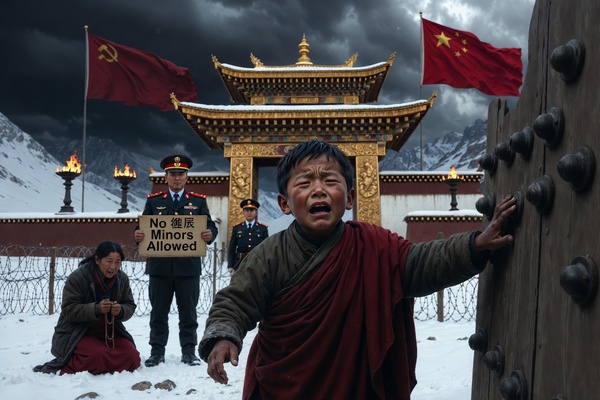
China’s decision to bar all Tibetan children under 18 from entering Buddhist monasteries is far more than an administrative rule; it is an assault on the core of Tibetan life. By blocking children from the very places where they learn their language, absorb Buddhist values and experience living culture, the state is targeting the foundations of identity, not just outward rituals. This policy, combined with tight controls on religion and the push into Chinese medium boarding schools, is deliberately reshaping what it means for the next generation to be Tibetan.
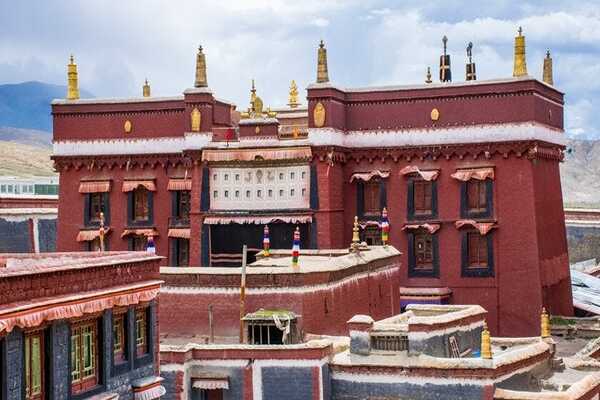
According to the phayul.com, “This restriction is not isolated; it fits into a wider national push to control religious life for minors.” During the long winter break, from early January to late February, this rule is applied with particular force, precisely when Tibetan families traditionally go on pilgrimage to monasteries and sacred sites. Officials and security personnel stand guard at monastery entrances and turn children back, even if they are walking hand in hand with their parents. Images and clips shared online of children stopped at the doors of holy places have deeply shaken Tibetans inside Tibet and in exile, becoming stark symbols of a rapidly shrinking space for religious freedom.
This control stems from national rules already limiting religious activities for those under 18. The state demands that minors be raised without religion, insisting faith must not “interfere” with education or political loyalty. In Tibetan areas, local officials repeat this in schools and meetings teachers are warned against religious involvement, parents are intimidated from taking children to events, and monasteries are ordered to bar minors from teachings. Thus, a Tibetan child simply wanting to light a butter lamp or learn basic Buddhist morals is treated as defying the state.
This policy fits a broader pattern. Tibetan advocacy groups, scholars, and human rights observers argue it’s part of a long-term effort to erode Tibetan identity from childhood.

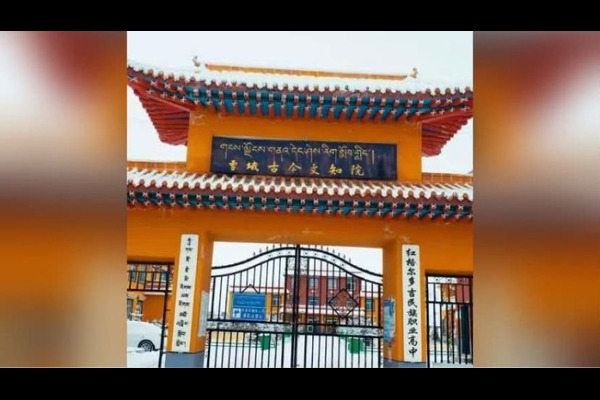
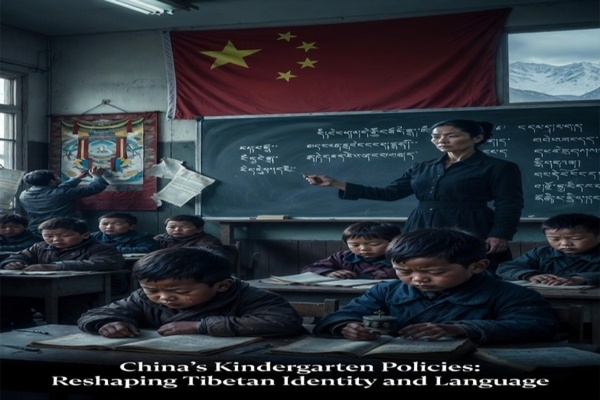
They sharply criticize these policies, saying the monastery ban is one piece of a wider strategy to reshape Tibetan identity from the ground up. At the same time that religious doors are closing, the government is rapidly expanding a system of state‑run boarding schools. Many Tibetan children, including those from distant rural areas, are required to live away from home for most of the year. Inside these schools, Chinese is the dominant language of instruction, and students are immersed in lessons that glorify the state and its leaders, while Tibetan history, culture, and Buddhism are sidelined.
Traditional monastery schools that once raised young monks are now under heavy pressure. In some areas, classes for novice monks have been closed, and boys who had begun monastic life have been forced into state schools. Authorities say no one under 18 can enter formal monastic education, even though Tibetan children as young as five or six traditionally joined monasteries to study scriptures and train as future scholars. As a result, there are fewer young monks, and the natural link between children and monastic life is steadily weakening.
For Tibetan parents, this situation is deeply painful. They want their children to know Buddhism, speak good Tibetan, and respect their ancestors’ way of life, but fear serious punishments such as fines, job loss, or other pressure if they disobey. Children who spend long periods in Chinese‑medium boarding schools often come home thinking and speaking mainly in Chinese, and struggle with their own language. Families say their children feel nervous, guilty, or even ashamed about going near a monastery because teachers and officials repeatedly tell them that religion is forbidden for students.
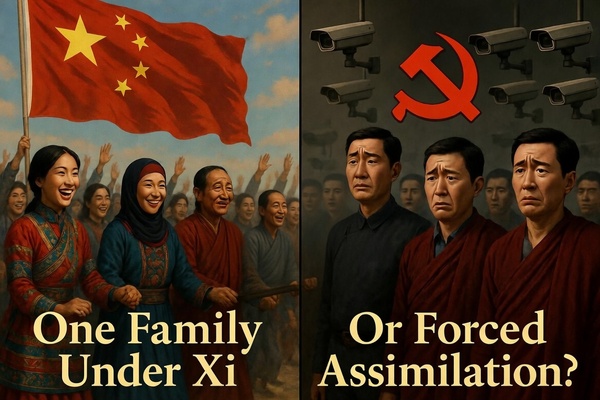
Human rights organizations warn that these measures could reshape Tibetan society for generations. When children are blocked from monasteries, cut off from religious education, and discouraged from using their own language freely, they are likely to grow up with a much weaker sense of Tibetan identity. Monasteries may suffer from a lack of new monks and gradually lose their central role as cultural and spiritual anchors in the community. Many critics see these policies as deliberate social engineering, even a kind of modern “colonial” project designed to remove Tibetan culture and Buddhist belief from the everyday lives of young people.
Put simply, this ban is far more than a technical rule about who may enter a religious building. It strikes at the living connection between Tibetan children and their spiritual and cultural roots. By blocking minors from monasteries, the authorities are severing a vital bridge between the younger generation and their faith, language, and traditions. Many Tibetans fear that if such policies continue, their culture will not only be changed but slowly emptied from within, until something essential to their identity fades away with each new generation.










Leave a Reply