


Cambodia has extradited Li Xiong, a prominent figure allegedly linked to large-scale cyber scam networks, to China in a move that signals intensifying regional efforts to dismantle transnational fraud operations. The extradition comes as Southeast Asia faces growing scrutiny over scam compounds and digital crime networks that have thrived across borders for years.
Li Xiong, the former chairman of Huione Group, is accused of playing a key role in facilitating financial operations tied to cybercrime syndicates. His transfer to China highlights both the scale of the problem and Beijing’s increasing involvement in tackling overseas criminal networks linked to its nationals.
Who is Li Xiong?
Li Xiong led Huione Group, a Cambodian financial conglomerate that operated across multiple sectors, including online banking, cryptocurrency exchange services, and digital marketplaces. The company has been described by researchers as an “Amazon for criminals” due to its alleged role in supporting illicit transactions.
Authorities claim that Huione provided critical infrastructure that enabled cyber scam networks to expand their operations. These networks often rely on complex financial systems to move and conceal illicit funds, making such platforms central to their functioning.
According to Chinese authorities, Li Xiong is linked to Chen Zhi, a suspected leader of a multibillion-dollar scam syndicate. He is accused of involvement in illegal gambling, fraud, and money laundering activities.
The Scale of the Scam Economy
The extradition highlights the vast scale of the cyber scam industry in Southeast Asia. Over the past decade, the region has emerged as a hub for so-called “pig butchering” scams fraud schemes that manipulate victims into making large financial investments.
Investigations have revealed that many of these operations are run from large compounds where trafficked workers are forced to carry out scams under harsh conditions. Victims are often recruited from different countries and subjected to exploitation.
Recent raids in Cambodia have exposed the extent of abuse within these compounds. Many rescued individuals lack proper documentation or resources to return home, leaving them stranded and vulnerable.
Financial Networks Behind Cybercrime
At the core of these scam operations are financial networks that enable the movement of illicit funds. Huione Group is alleged to have played a major role in this ecosystem.
In 2025, the U.S. Treasury’s Financial Crimes Enforcement Network labeled the group a major money laundering concern. It estimated that Huione had processed at least $4 billion in illicit funds between 2021 and 2025.
Authorities also linked the group to transactions involving cybercriminal organizations, including those associated with North Korea. Such connections highlight the increasingly global nature of cybercrime, where networks operate across multiple jurisdictions.

The Southeast Asian scam industry has grown into a multibillion-dollar operation. Many scams involve “pig butchering” tactics, where victims are emotionally manipulated before being financially exploited.
Key realities:
- Workers are often trafficked and forced into scam operations
- Victims come from across the world
- Rescued workers frequently remain stranded without legal support
Cambodia’s Crackdown
Li Xiong’s extradition comes amid a broader crackdown by Cambodian authorities. The government has pledged to eliminate scam compounds within its borders, marking a shift from earlier denials about the scale of the problem. This crackdown reflects growing international pressure and rising awareness of the human and economic costs of cyber fraud. It also signals increased cooperation between regional governments in tackling transnational crime.
China’s Expanding Role
China has taken an active role in pursuing individuals linked to cybercrime networks abroad. The extradition of Li Xiong demonstrates Beijing’s willingness to work with neighboring countries to bring suspects back under its jurisdiction.
This approach serves multiple purposes:
- Addressing domestic concerns about fraud targeting Chinese citizens
- Strengthening law enforcement cooperation with regional partners
- Expanding influence over cross-border security issues
Historical Precedents of China’s Extradition Efforts
This is not the first time China has secured the return of suspects from overseas. Over the years, Beijing has developed a pattern of pursuing fugitives linked to economic crimes and corruption:
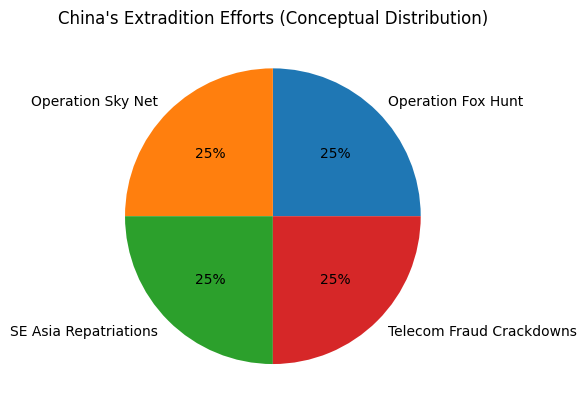
Operation Fox Hunt (Launched 2014)
China initiated a global campaign to track down economic fugitives and bring them back to face charges. Thousands of suspects were reportedly repatriated from countries across Asia, Europe, and North America.
Operation Sky Net
An extension of anti-corruption efforts, this initiative focused on recovering illicit assets and extraditing officials accused of financial crimes.
Southeast Asia Repatriations
Countries like Myanmar, Laos, and the Philippines have previously handed over Chinese nationals involved in telecom fraud operations. These cases often involved large-scale scam centers targeting victims in China.
Telecom Fraud Crackdowns
Joint operations between China and regional governments have led to the dismantling of scam hubs and the return of thousands of suspects over the past decade.
These precedents show that China has consistently pursued overseas suspects, especially those linked to financial and cyber crimes.
The transfer of Li Xiong to China marks a significant moment in the fight against cybercrime in Southeast Asia. It underscores the growing recognition that tackling such networks requires coordinated international action. As Cambodia intensifies its crackdown and China expands its enforcement reach, the pressure on transnational scam operations is likely to increase. However, the challenge remains complex, requiring sustained cooperation, stronger regulatory frameworks, and a focus on protecting vulnerable individuals caught in these networks.













Leave a Reply