

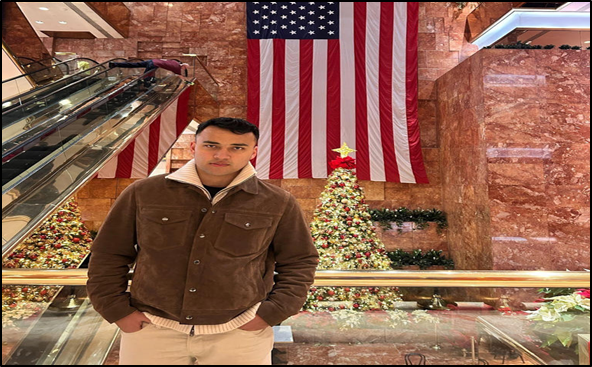
A 38-year-old Chinese filmmaker, Guan Heng, left his homeland after documenting footage in Xinjiang that has since become a flashpoint in the international debate over the treatment of Uyghurs and other Muslim minorities. Guan published a roughly 20-minute video in late 2021 detailing his travels through the northwestern region, including sites identified by investigations as detention facilities or sites of intensified security measures. The footage, paired with subsequent reporting, helped illuminate concerns about mass surveillance, political reeducation programs, and the fate of Uyghurs in Xinjiang.
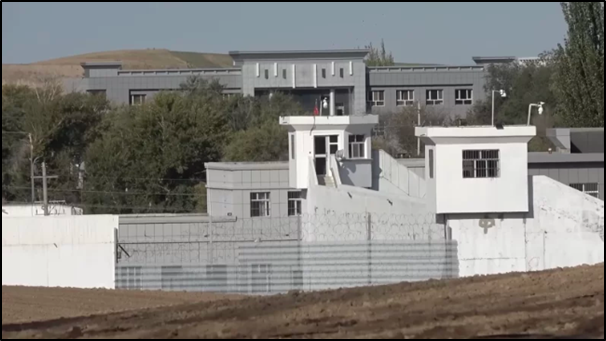
According to the First Post, Human rights advocates say the material Guan gathered corroborates longstanding allegations that China has detained more than a million Uyghurs and other minorities under a broad “counterterrorism” umbrella. The United Nations and various researchers have described the situation in Xinjiang as potentially constituting crimes against humanity, a charge Beijing vigorously denies, insisting its policies are designed to combat extremism and promote economic development in the region.
Guan’s decision to pursue asylum in the United States after leaving China underscores the risk many dissidents face when speaking out against state actions. He travelled through South America to reach the U.S., seeking refuge in a country that has historically positioned itself as a defender of human rights and asylum for those fleeing political persecution. His case has drawn attention from lawmakers and rights groups who argue that flight from repression should not be a sentence of continued vulnerability, especially for whistleblowers who illuminate abuses.
What did the video expose?
In 2021, Chinese filmmaker Guan Heng released a 20-minute video documenting alleged Uyghur detention sites in Xinjiang, identified through a BuzzFeed investigation. The footage highlighted China’s reported mass detentions of Muslims, which the UN says may constitute crimes against humanity claims Beijing denies. Fearing arrest, Guan fled China, entered the U.S. via South America, and sought asylum. Detained by Immigration and Customs Enforcement (ICE) in August, he now suffers severe distress, while his family in China faces interrogation over their connection to him.
Immigration authorities in the United States detained Guan in August, citing illegal entry, while his defenders emphasize the asylum claim grounded in persecution risk upon return to China. The legal process has included hearings with possible transfers to third countries, a practice that some governments see as a pragmatic way to manage asylum and deportation claims, but one that critics say can push vulnerable individuals away from safe channels of protection. Guan’s supporters argue that a remedy for his case should prioritize protection and perseverance of documentary evidence that sheds light on abuses.
The broader geopolitical friction around Xinjiang elevates Guan’s case from a personal legal battle to a symbol of international scrutiny of China’s internal policy. While Beijing maintains its stance against external commentary, observers point to a pattern of restrictions on activists, journalists, and diaspora voices who draw attention to Xinjiang’s Uyghur community. Independent investigations and journalism have repeatedly documented conditions in the region, including surveillance networks, restrictions on religious and cultural practices, and reports of mass detention facilities. These reports have prompted calls from human rights organizations, parliamentarians, and international bodies for transparency and accountability.
Guan’s case underscores the tension between national sovereignty, immigration policy, and international human rights obligations to protect individuals at risk. If he remains in the United States, supporters argue that his asylum claim is a legitimate exercise of asylum protections rooted in fear of politically motivated retaliation and harm upon return. If he is deported, the question becomes whether third-country arrangements sufficiently safeguard individuals facing Chinese state retribution or whether such arrangements merely relocate risk.
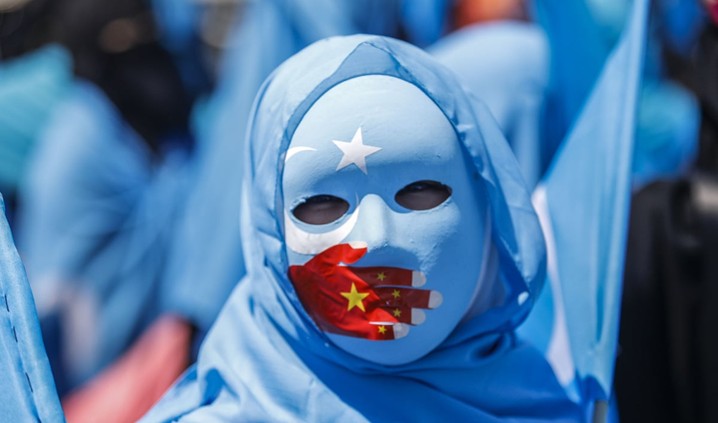
The Xinjiang situation remains one of the most contested issues in contemporary human rights discourse. International watchdogs point to credible evidence of coercive tactics against Uyghurs and other Muslim minorities, including forced labor, mass surveillance, and repressive detention. Beijing insists its measures are essential for security and stability, contrasting sharply with reports from independent researchers, journalists, and human rights advocates who call for greater oversight, verification of detention facilities, and unconditional access for international observers.
As Guan’s asylum proceedings unfold, the case invites renewed scrutiny of how democracies balance border enforcement with protection for those who risk their safety to reveal abuses. It also keeps the spotlight on Xinjiang, urging both policymakers and the public to demand accountability for reported rights violations and to support efforts that ensure the safety of whistle blowers and victims who seek refuge abroad.











Leave a Reply