

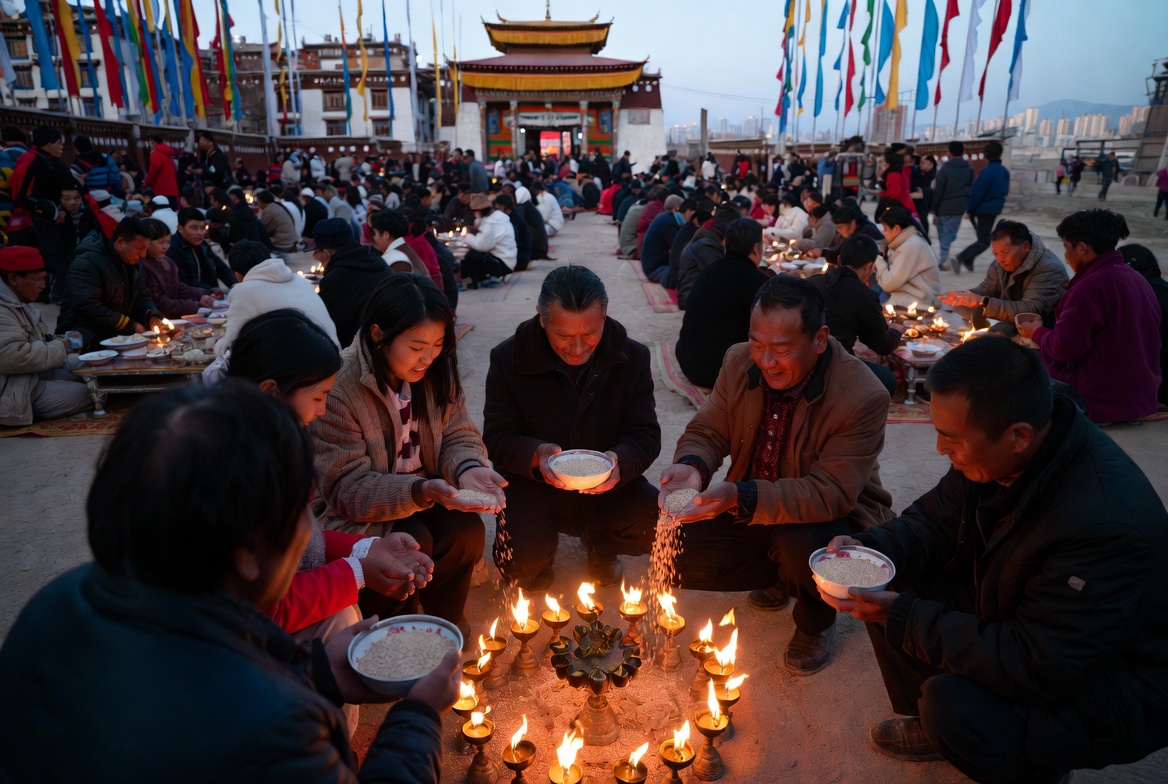
Losar, the Tibetan New Year, approaches as a vibrant festival of renewal, prayer, and communal feasts, a season where butter lamps glow against the Himalayan winter and families gather around bowls of tsampa. For Tibetans, however, Losar is far more than celebration. It is an act of cultural survival, a spiritual assertion unfolding under the weight of Beijing’s expanding system of control.
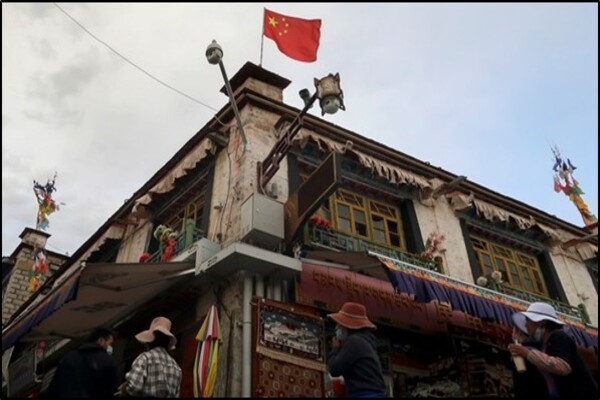
Across Tibet, rituals that once unfolded freely now take place under surveillance. Monasteries that historically anchored Tibetan life have been reshaped by political oversight, while schools increasingly prioritise Mandarin over Tibetan language instruction. Critics argue that Losar — once a sacred cultural marker — is being reframed through state narratives as a colourful ethnic showcase rather than a living expression of faith.
Rewriting history, Reshaping belief
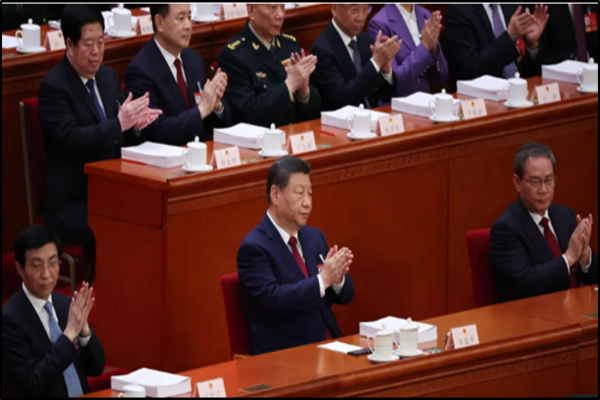
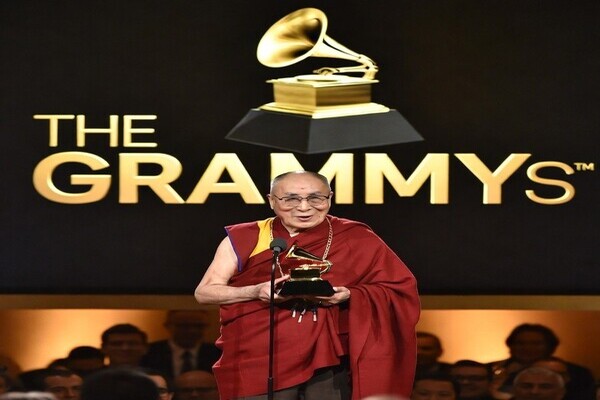
Beijing’s approach begins with narrative control. Official histories describe the 1950 entry of Chinese forces as a “peaceful liberation,” while Tibetan exiles point to the disputed 1951 agreement and the 1959 uprising that forced the Dalai Lama into exile. That struggle over historical memory remains central to today’s policies.
Human Rights Watch reported in early 2026 that repression across China intensified in the past year, with Tibetans facing strict ideological conformity campaigns and expanded efforts to “sinicize” religion — reshaping spiritual practice to align with Communist Party doctrine.
This ideological push has profound implications during Losar, when religious gatherings traditionally reaffirm Tibetan identity and collective memory.
Monasteries under pressure
The spiritual heart of Tibet lies in Vajrayana Buddhism, yet recent developments highlight a tightening grip on religious life. Reports describe heavy troop deployments and helicopter surveillance at Larung Gar, the world’s largest Tibetan Buddhist academy, signalling a deeper militarisation of sacred spaces.
Authorities have also imposed stricter residency rules and registration requirements for monks, measures critics say aim to reduce the influence of monastic institutions seen as pillars of Tibetan identity.
Meanwhile, international legal advocates continue to raise concerns over the disappearance of the Panchen Lama — one of Tibetan Buddhism’s highest figures – and broader campaigns forcing monks into political re-education while altering religious imagery in shrines.
A Losar shaped by surveillance and assimilation
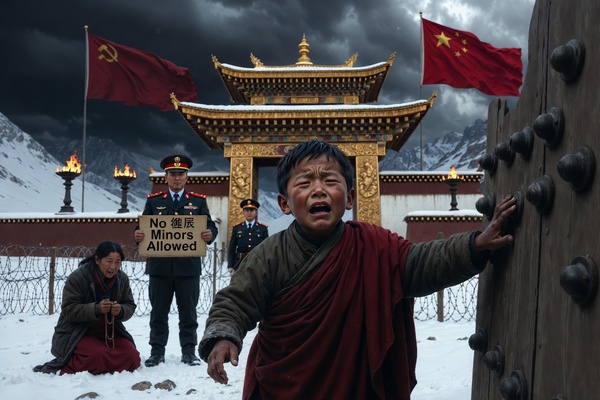
Recent reporting suggests that even seasonal pilgrimages and winter religious visits — traditionally leading into Losar — now face heightened restrictions. Authorities have barred children from monasteries during holidays and expanded boarding-school systems critics say weaken cultural transmission and language preservation.
Such policies reflect a wider effort to shape a new generation’s identity through state institutions rather than community traditions.
Outside the monasteries, the pressure extends into everyday life. Tibetan language education is shrinking in some regions, and festivals risk being repackaged as state-approved tourism spectacles. Critics argue that this reframing transforms sacred observances into curated cultural displays designed to promote a narrative of harmony and modernisation.
Technology, propaganda, and narrative control
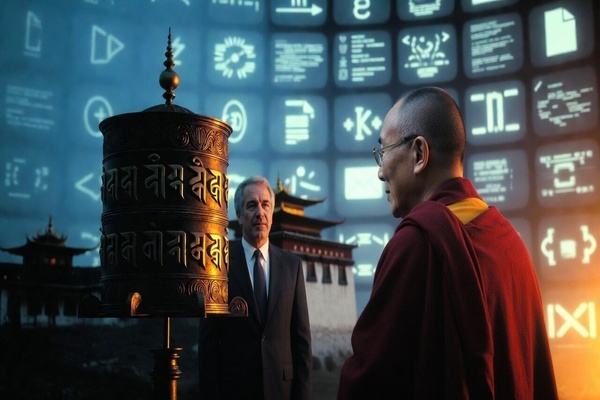
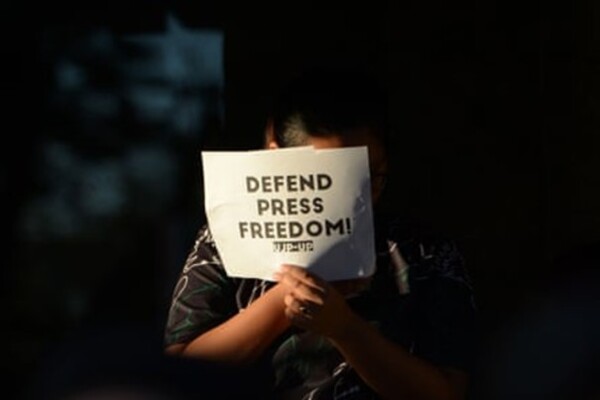
China’s expanding surveillance state — from AI monitoring to digital censorship — reinforces this transformation. Online spaces heavily filter pro-Tibetan activism, while state media promotes imagery of “modern” Tibetan lifestyles that downplay religious devotion or political dissent.
These tactics mirror broader campaigns targeting other minority regions, where technology and ideology merge to shape public perception both domestically and abroad. Human rights organisations warn that such policies aim not only to regulate behaviour but to redefine cultural identity itself.
Why Losar matters beyond Tibet
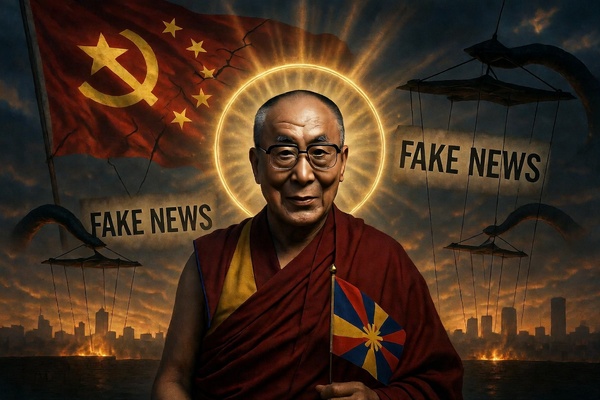
The stakes extend beyond one festival. Analysts argue that Tibet serves as a testing ground for governance models combining cultural assimilation, digital surveillance, and historical revisionism. As debates over succession of the Dalai Lama intensify — with Beijing insisting on authority over the process — the struggle over Tibet’s spiritual future is likely to sharpen.
Yet despite pressure, Tibetan resilience endures. Underground rituals, diaspora celebrations in Dharamsala, and the preservation of language and scripture continue to sustain a sense of cultural continuity. For many Tibetans, lighting a Losar butter lamp is no longer just a blessing for prosperity – it is a quiet declaration that identity survives even under constraint.
As Losar dawns this year, the festival’s deeper meaning is impossible to ignore. Behind the bright colours and ceremonial dances lies an unresolved contest over history, faith, and the right of a people to define their own story.








Leave a Reply