


China-linked cyber espionage group APT31, also known as Violet Typhoon or Zirconium, is under renewed scrutiny after reports alleged it exploited Google’s Gemini AI platform to facilitate cyberattacks against U.S. enterprises. According to Google Threat Intelligence, the group engaged in “semi-autonomous offensive operations,” blending human oversight with AI-assisted reconnaissance, vulnerability discovery, and payload generation. This marks a growing trend where artificial intelligence enhances traditional cyberwarfare capabilities rather than replacing human hackers.
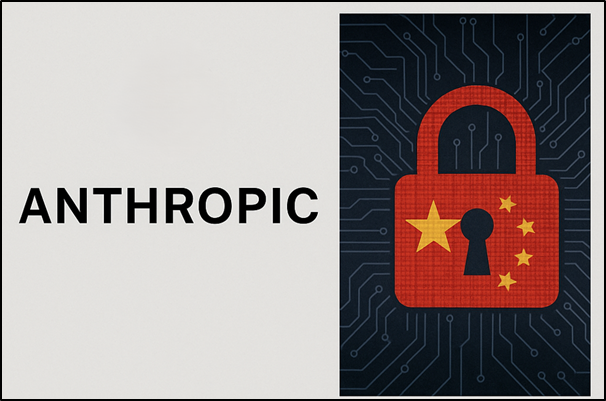
APT31—long associated with espionage targeting political, corporate, and infrastructure networks—allegedly used a red-teaming framework dubbed HexStrike to perform sophisticated exploits, including remote code execution and SQL injection attacks. The operation’s AI-enhanced methodology parallels earlier investigations that connected Chinese actors to the misuse of Anthropic’s Claude system. Google has additionally warned of attempts by China-linked groups to infiltrate Western firms via recruitment schemes and insider threats.
These developments highlight a new frontier in geopolitical cyber conflict, where advanced AI models are weaponized to accelerate intrusion campaigns. The incident reinforces the pressing need for robust AI governance, threat monitoring, and cross-industry counterintelligence coordination to mitigate risks emerging from the fusion of machine intelligence and state-backed cyber operations.




















Leave a Reply