

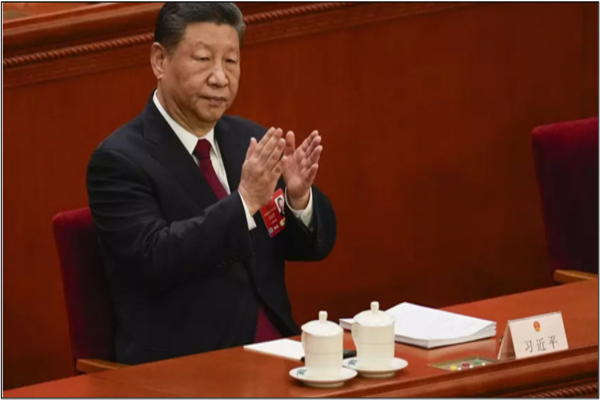
When Xi Jinping came to power in 2012, he promised to clean up China’s Communist Party. The slogan was simple no one was too high or too low to be punished. More than a decade later, that promise has turned into the biggest political purge in China’s modern history. Behind the talk of “fighting corruption” lies a deeper story: Xi’s determination to build absolute control over the world’s largest one-party state.
At first, the campaign sounded righteous. China was drowning in official corruption. Luxury cars, secret villas and giant bribes were common among party officials. Xi vowed to go after both “tigers” and “flies” powerful leaders and minor bureaucrats alike. According to Chinese state data, over 1.5 million officials have been punished since 2012. About 500 of them ranked at the vice-minister level or above. The campaign has touched every corner of China’s political, military and business world.
But what looked like a moral crusade soon revealed a much darker pattern. Many of those punished happened to be Xi’s potential rivals or independent-minded officials. The first major target was Bo Xilai, a charismatic leader from Chongqing who had once been seen as a possible future premier. His dramatic fall in 2013 for bribery and abuse of power marked a warning to others. Soon after came the shock arrest of Zhou Yongkang, China’s former security chief something unthinkable before Xi.
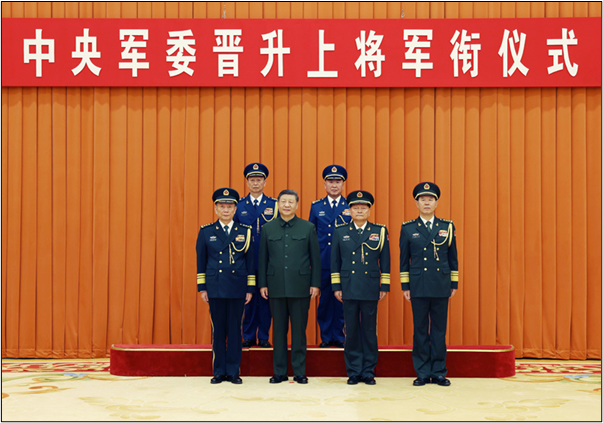
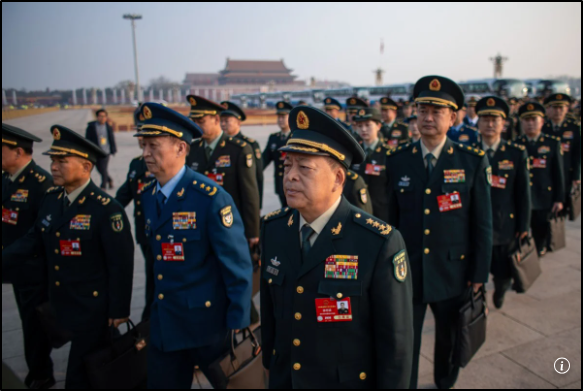
By 2016, the campaign reached deep into the military, historically a power base outside full party control. Two former vice chairmen of the Central Military Commission, Xu Caihou and Guo Boxiong, were accused of selling ranks and taking millions in bribes. Their downfall allowed Xi to bring the army firmly under his command.
The pattern only grew sharper. Former aides of ex-president Hu Jintao such as Ling Jihua and Sun Zhengcai were jailed, effectively silencing the once-powerful Youth League faction. Provinces like Shanxi, Sichuan and Liaoning saw waves of dismissals that replaced local elites with Xi’s loyalists from Zhejiang and Fujian, provinces where he had worked earlier.
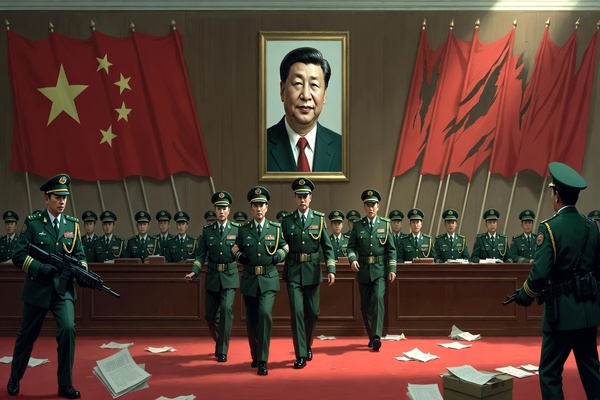
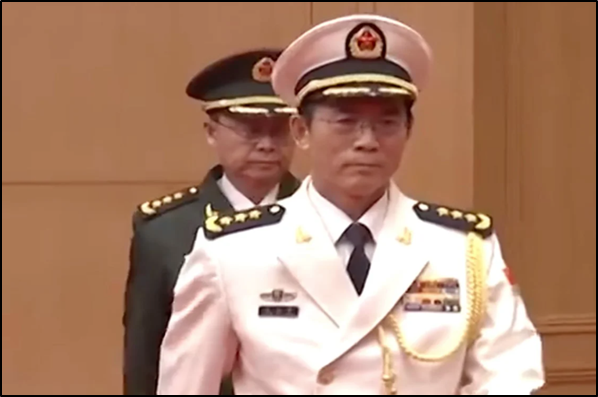
Even as the country entered the 2020s, the purge machine continued. In 2025, a new round of crackdowns rocked China’s top brass. The most surprising case came in late 2025, when General Zhang Youxia a long-time ally of Xi and one of China’s highest-ranking military officers was placed under investigation for “serious violations of discipline.” Zhang had been considered untouchable, both for his rank and his personal closeness to Xi. His sudden fall sent shockwaves through the People’s Liberation Army (PLA), showing that even loyalty offered no real safety.
Analysts believe the purge of Zhang Youxia signals Xi’s desire to remind everyone generals, ministers and party secretaries that ultimate authority rests with him alone. This tightening of control coincides with reports of economic distress, growing public anger and discontent among youth.
China’s youth unemployment was estimated above 18% in 2023, with some urban figures even higher before official data releases were suspended. Housing prices in major cities have dropped for several years and confidence among the middle class is fading. In such a tense environment, Xi’s purge campaign doubles as a tool to keep officials disciplined and fearful making sure that no one dares to question his rule as economic problems pile up.
Xi has also used anti-corruption laws to silence private business elites, especially in the tech and property sectors. Billionaires like Jack Ma retreated from public life after regulatory pressure, while several property tycoons faced investigations and travel bans. This doesn’t just fight corruption, it also ensures that private wealth cannot grow powerful enough to challenge state control.
Xi’s campaign has replaced one kind of corruption with another, instead of bribery and favoritism, officials now engage in political obedience and self-censorship to survive. As one Chinese academic quietly told a foreign journalist, “Nobody dares to do anything without political approval. Fear has become the new currency.”
Ultimately, Xi’s anti-corruption crusade has reshaped China’s political system. It removed many corrupt figures, but it also destroyed the balance of collective leadership that once kept Chinese politics stable. The Communist Party today revolves around one man at the top, leading everything from the military to the economy.
The fall of General Zhang Youxia closed the loop showing that Xi’s fight is not only about corruption but about reminding his own circle that power in China is never shared.
China’s government still calls this campaign “a long war against corruption.” But a growing number of observers see it differently as Xi Jinping’s long war for power itself, one fought not on battlefields, but within the very system he now rules completely.









Leave a Reply