

The Joshua Wong national security case has entered a decisive new phase in Hong Kong. The former student activist pleaded guilty to conspiring to collude with foreign forces. Prosecutors linked the charge to overseas lobbying and calls for sanctions against Hong Kong and China. Wong is already serving a four-year, eight-month sentence in another security case. His latest conviction could extend his imprisonment far beyond his expected January 2027 release. Supporters call the prosecution an attack on peaceful political advocacy. Hong Kong authorities say the law protects national security and targets criminal conduct, not political beliefs.
A guilty plea that could reset Joshua Wong’s prison clock
Hong Kong’s best-known former student activist was nearing the end of one national security sentence. A second conviction now places his freedom in doubt and tests what remains of political advocacy in the city.
What Wong Admitted
On 2 September 2026, Joshua Wong pleaded guilty in Hong Kong’s High Court to conspiring to collude with foreign forces. It is his second conviction under the National Security Law imposed by Beijing in June 2020.
Prosecutors said Wong worked with self-exiled activist Nathan Law and others. They accused the group of building an international media and political campaign that sought sanctions against Hong Kong and China. The prosecution cited overseas lobbying, public statements and social-media activity. It also referred to Wong’s 2019 appearance before the United States Congress.
The charged conspiracy covered conduct after the security law took effect, from July to November 2020. Earlier campaigning was presented as background to the alleged plan. Wong confirmed the prosecution’s account and entered the guilty plea.
His lawyer asked the court to keep the sentence below ten years. The defence cited the guilty plea, delays in bringing the case and Wong’s reflections during almost six years in custody. No final sentencing date had been announced when this article was prepared.
From Student Leader to Prisoner
Wong helped lead Scholarism against compulsory moral and national education. The campaign made him a public figure while still a teenager.
He became one of the most recognisable faces of the Umbrella Movement. Protesters demanded a more democratic system for choosing Hong Kong’s leader.
Wong co-founded Demosisto and promoted democratic self-determination. He later sought international support during Hong Kong’s 2019 protest crisis.
Demosisto dissolved shortly before the National Security Law took effect. The law created offences covering secession, subversion, terrorism and foreign collusion.
Wong entered custody in a protest case. Further prosecutions kept him imprisoned through the following years.
He received four years and eight months for conspiracy to commit subversion over an unofficial 2020 democratic primary.
Police brought the foreign-collusion charge while Wong remained inside Stanley Prison.
He pleaded guilty, creating the possibility that imprisonment will continue beyond his expected January 2027 release.
One Law, Two Narratives
Authorities’ position
- National security legislation was necessary after prolonged political unrest.
- Seeking foreign sanctions can threaten China’s sovereignty and Hong Kong’s stability.
- Officials say prosecutions target unlawful conduct rather than political beliefs.
- The Justice Department says Article 29 does not suppress ordinary social or business activity.
Rights groups’ concern
- “Foreign collusion” is criticised as vague, broad and open to political use.
- Peaceful lobbying and international engagement can attract severe criminal penalties.
- Repeated cases can keep prominent dissidents jailed after earlier sentences end.
- The threat of prosecution creates a chilling effect across journalism and civil society.
What can foreign collusion include?
Article 29 covers several forms of cooperation with foreign states, organisations or individuals. These include requesting sanctions, blockades or other hostile actions. Penalties depend on the court’s assessment of role and seriousness. The gravest category can lead to life imprisonment.
Why does the guilty plea matter?
A plea can reduce the eventual sentence, but it also removes the need for a full contested trial. The court must still decide Wong’s role, the seriousness category and how the new punishment interacts with his existing term.
Was the law applied retroactively?
The formal conspiracy period began after the law entered force. Prosecutors nevertheless relied on earlier campaigning to explain the alleged network and purpose. That distinction will remain important in public debate about the case.
Why This Case Matters
Wong’s importance is larger than any single organisation. He represented a generation that entered politics through school campaigns, street protests and electoral activism. His movement moved from opposing national education to demanding universal suffrage and seeking foreign pressure on Beijing.
The second case demonstrates the cumulative power of Hong Kong’s security system. A defendant can finish one protest sentence, face another case and then receive a national security charge while still imprisoned. For Wong, the practical result could be a release date pushed years into the future.
The broader message reaches activists who remain in Hong Kong and those living abroad. International testimony, petitions and sanctions advocacy once formed part of the democracy movement’s strategy. They now carry potential criminal consequences under a law with an extensive overseas reach.
Hong Kong’s government argues that stability has returned and lawful rights remain protected. Critics see a political landscape emptied of meaningful opposition. Many organisations have dissolved, prominent figures have been jailed or exiled, and public campaigning has narrowed sharply.
What Happens Next?
The court must decide whether Wong was a principal, active or lesser participant and how serious the offence was.
The sentence and its relationship with his existing prison term will determine the real extension of custody.
Governments and rights groups are likely to judge the outcome as another major test of Hong Kong’s legal autonomy.
The central question is no longer whether Joshua Wong will complete his present sentence. It is whether the legal system will permit his release when that term ends. His guilty plea may earn a reduction. However, the new conviction gives the court power to keep him behind bars far longer.
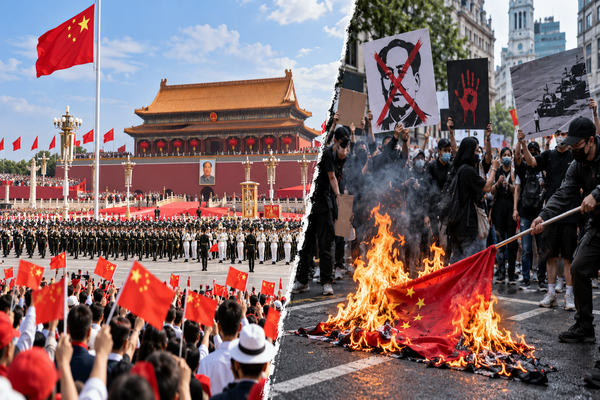
For Beijing and Hong Kong officials, the case is enforcement against foreign interference. For Wong’s supporters, it shows how national security has become a continuing mechanism of political control. The sentence will therefore measure more than one man’s future. It will reveal how much space remains for dissent, international advocacy and political memory in Hong Kong.








Leave a Reply