

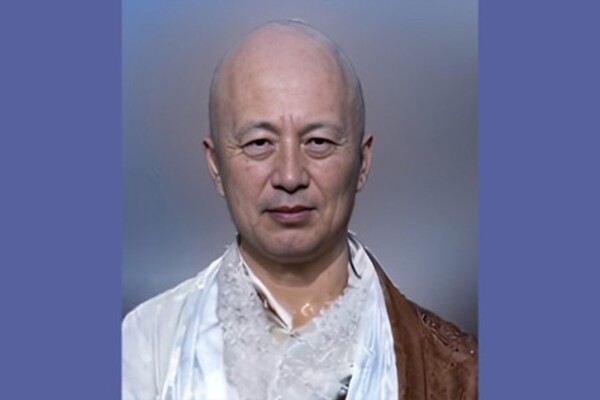
After spending eighteen years in prison for defending the right of Tibetans to preserve and use their language, Yeshe Sangpo has been released from a Chinese prison in poor health, reflecting both his dedication and the continued suppression of Tibetan cultural identity. His story, which began with a peaceful protest in 2007 and ended with his quiet return home in 2026, reflects the long-standing struggle of Tibetans who simply want to protect their linguistic and spiritual heritage in a region where freedom of speech and expression are tightly controlled.
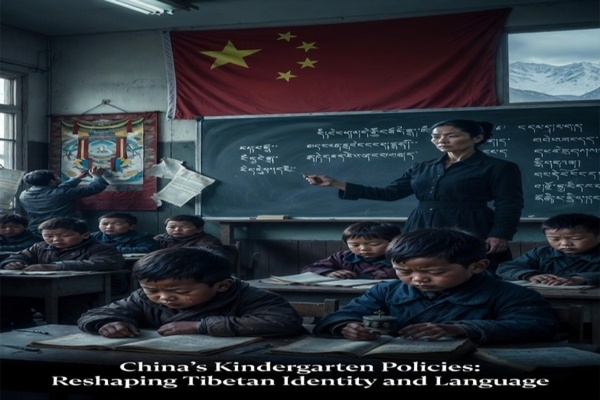
Yeshe Sangpo, a resident of Bum Nying Village in Sershul County, Kardze Prefecture, Sichuan Province, was one of many Tibetans forced to speak out against the restrictive language policies imposed by Chinese authorities. Together with his brother, Lobsang, Sangpo led a group of local villagers in a peaceful protest in 2007, demanding the government respect their right to study, use, and promote the Tibetan language, which is the foundation of their cultural identity. At the time, authorities were promoting Mandarin Chinese as the primary medium of instruction in Tibetan schools, diminishing the role of the Tibetan language in education, public life, and administration. For many Tibetans, these measures were seen as a deliberate attempt to erase their heritage and assimilate society into the state’s monocultural framework.
What began as a peaceful demonstration for cultural rights quickly turned violent when Chinese police used batons and physical force to disperse the crowd. Onlookers reported that protesters were severely beaten, causing anger and panic among the group. A Chinese police officer was reportedly killed during the clashes, an incident that authorities later used to justify harsh punitive measures. In the days that followed, police raided Sershul County and arrested dozens of Tibetans suspected of involvement. Yeshe Sangpo and his brother were among those detained, accused of playing a key role in the unrest. While details of the investigation are still unclear, experts believe authorities seized the opportunity to make an example of Sangpo by portraying him as a criminal rather than an activist.
According to Tibetan sources, Yeshe Sangpo went on trial in Sershul County in May 2008, after being detained for several months without any official charges. The proceedings lacked transparency or fairness. Defendants in such politically sensitive cases are rarely provided with independent legal advice, and verdicts are often announced before the trial even begins. Sangpo was convicted of the death of a policeman during a protest and sentenced to 18 years in prison. Human rights advocates have long argued that the charges were politically motivated. His sentence came amid heightened tensions in Tibetan areas just before the 2008 Beijing Olympics, a time when China intensified its campaign to suppress dissent and deflect international criticism. For Tibetan activists, Tsangpo’s sentence was not justice; it was punishment for challenging government authority and standing up for cultural protection. Tsangpo served nearly two decades in Ra Nga County Prison. Little is known about his conditions, as information about political prisoners in Tibet is closely monitored. Tibetan sources report that he suffered poor food, lacked medical care, and was forced to work in conditions that caused long-term physical and mental damage. He had limited communication with his family, and his wife, Tsering Dolma, is said to have been intimidated when she sought updates on his health. This behaviour is consistent with a larger pattern documented in Tibetan prisons, where prisoners advocating for cultural or religious rights often face such abuse, leaving lasting physical and mental scars. Tsangpo’s deteriorating health during his imprisonment reflects these realities.
Release in 2026 and Current Situation
On March 25, 2026, Yeshe Tsangpo was released at the age of 58, having completed his 18-year sentence. Reports in the Tibet Times and other diaspora outlets indicate that he returned home in very frail health, although his medical details have not yet been disclosed. His release occurred quietly, without any official public identification, and local sources say he remains under the surveillance of Chinese security officials. For Tibetan communities, Sangro’s release is bittersweet—it’s a homecoming overshadowed by the clear impact of prolonged detention. His story is a reminder of the human cost of cultural dissent in Tibet, where even peaceful advocacy for language rights can lead to decades in prison.
Eighteen years in prison did not silence Yeshe Sangro’s message — it amplified it. His frail health upon release underscores the enduring repression of Tibetans who strive to preserve their identity through language, culture, and faith. As he returns home, his story continues to resonate as both tragedy and testament: a stark portrayal of the human spirit’s resilience and the heavy price paid for defending one’s cultural voice.












Leave a Reply