Taipei’s spy agency just built a website asking ordinary Chinese citizens to slip it secrets and betting that frustration inside China is now loud enough to answer.
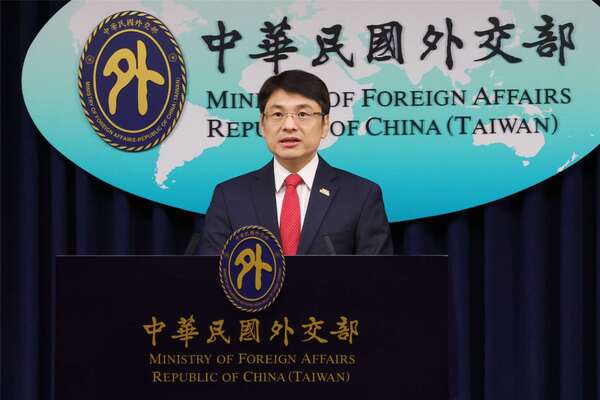
On a quiet Sunday, Taiwan’s National Security Bureau did something that intelligence agencies usually keep in the shadows: it advertised. The bureau launched a public webpage inviting Chinese nationals at home on the mainland or living abroad to hand over tips through what it calls a secure, confidential channel. The pitch is blunt. If you know something, and you’ve had enough, here is a safe place to talk.
It is a small website with an outsized message. For decades the espionage traffic across the Taiwan Strait has flowed mostly one way in the headlines China recruiting inside Taiwan. This flips the script in public view: Taiwan, openly courting sources inside China.
Why Taipei thinks people will answer
The bureau’s reasoning is laid out plainly in its own statement, published in both Chinese and English. China’s economy, it argues, has hit mounting difficulties even as political control stays tight and that squeeze, layered on top of everyday social and livelihood problems, has fed real public discontent. The agency says it isn’t guessing: a growing number of people have recently approached Taiwanese agencies on their own, wanting to provide various types of information.
In other words, this isn’t Taipei cold-calling for spies. It’s Taipei building a front door for people who were already knocking and signalling, loudly, that the door exists.
A door China tried to lock
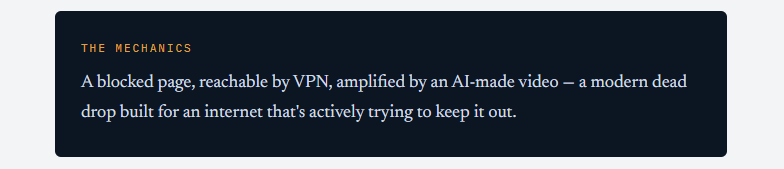
There’s an obvious problem: China’s “Great Firewall” blocks the page outright. Anyone on the mainland would need a VPN to reach it a routine tool for millions of Chinese users, but also a legal and personal risk in a tightly policed information space. To spread the word past the censors, the bureau paired the launch with an AI-generated promotional video designed to travel where the website can’t.
The numbers behind the move
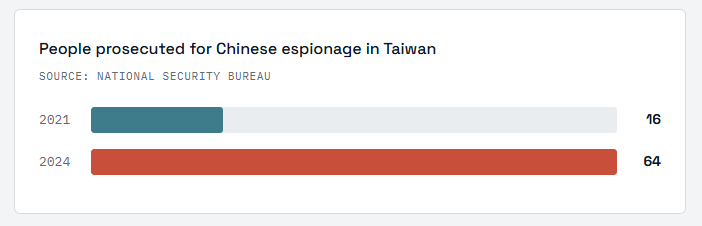
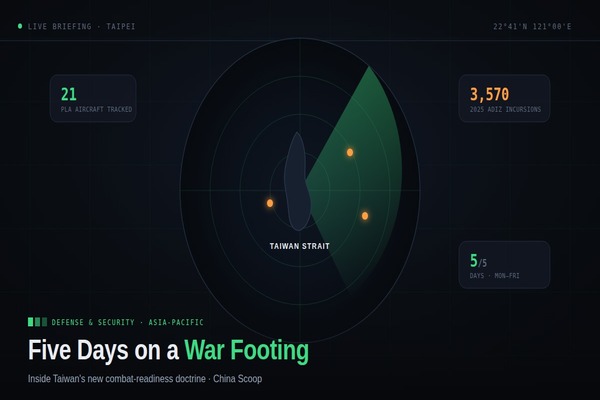
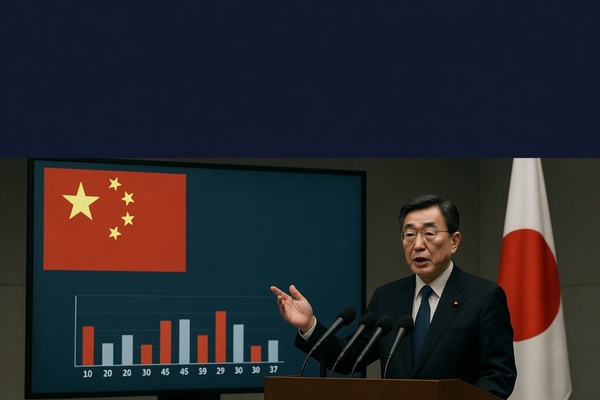
Taiwan isn’t acting in a vacuum. It’s been hit by a sharp rise in Chinese espionage on its own soil, and the figures show why officials feel the pressure. Prosecutions for spying on behalf of China roughly quadrupled in three years.
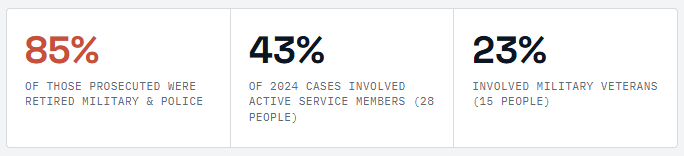
Look closer at the 2024 cases and a pattern jumps out: the targets are people in uniform, past and present. Retired military and police make up the overwhelming share of those caught recruited, officials say, because veterans still hold the trust and the contacts of colleagues on active duty.
Against that backdrop, opening a pipeline that runs the other way toward China’s own discontented — reads less like provocation and more like leveling the field.
Two portals, pointed at each other
The mirror image already exists. China earlier stood up its own online platform one urging people to report “Taiwan independence” activities and help hold “separatists” to account. Beijing has also long run a national hotline and website, 12339, for citizens to report suspected foreign spies. Now each side runs a digital tip box aimed squarely across the water.
Borrowed from the West
Taiwan was explicit that it’s copying homework. Officials said the move follows practices already used by intelligence agencies in the United States, the United Kingdom, and Israel. The clearest recent example: last year the CIA released Mandarin-language videos on social media inviting disgruntled Chinese officials to reach out and share what they know. Taipei has simply localized a strategy the big agencies have run for years cultivate sources from inside an adversary by making contact easy, safe, and discreet.
Why the timing matters
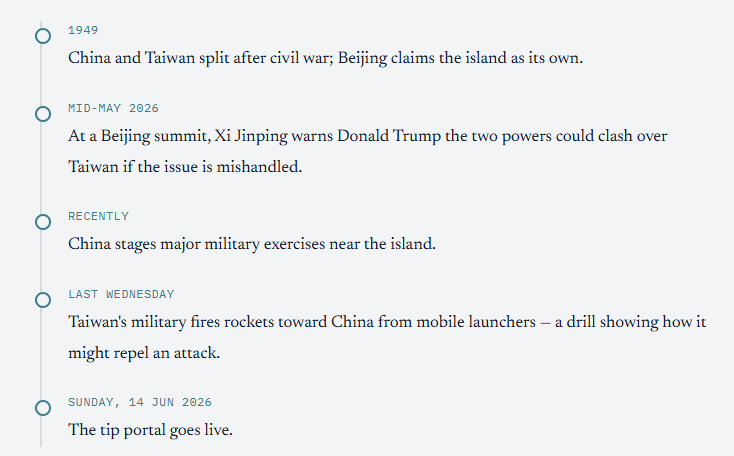
None of this is happening in calm weather. The two governments split in 1949 after a civil war, and Beijing has insisted ever since that the self-ruled island is its territory to be brought under control by force if necessary. The temperature has only climbed lately.
The real test
A website is easy to launch and hard to measure. The numbers that matter how many people actually reach through the firewall, and whether any of it produces intelligence worth the risk will stay secret by design. What’s already clear is the message Taipei wanted to send: that it sees cracks in China’s confidence, and that it’s willing to advertise an open hand to anyone inside who’s ready to take it.
















Leave a Reply