

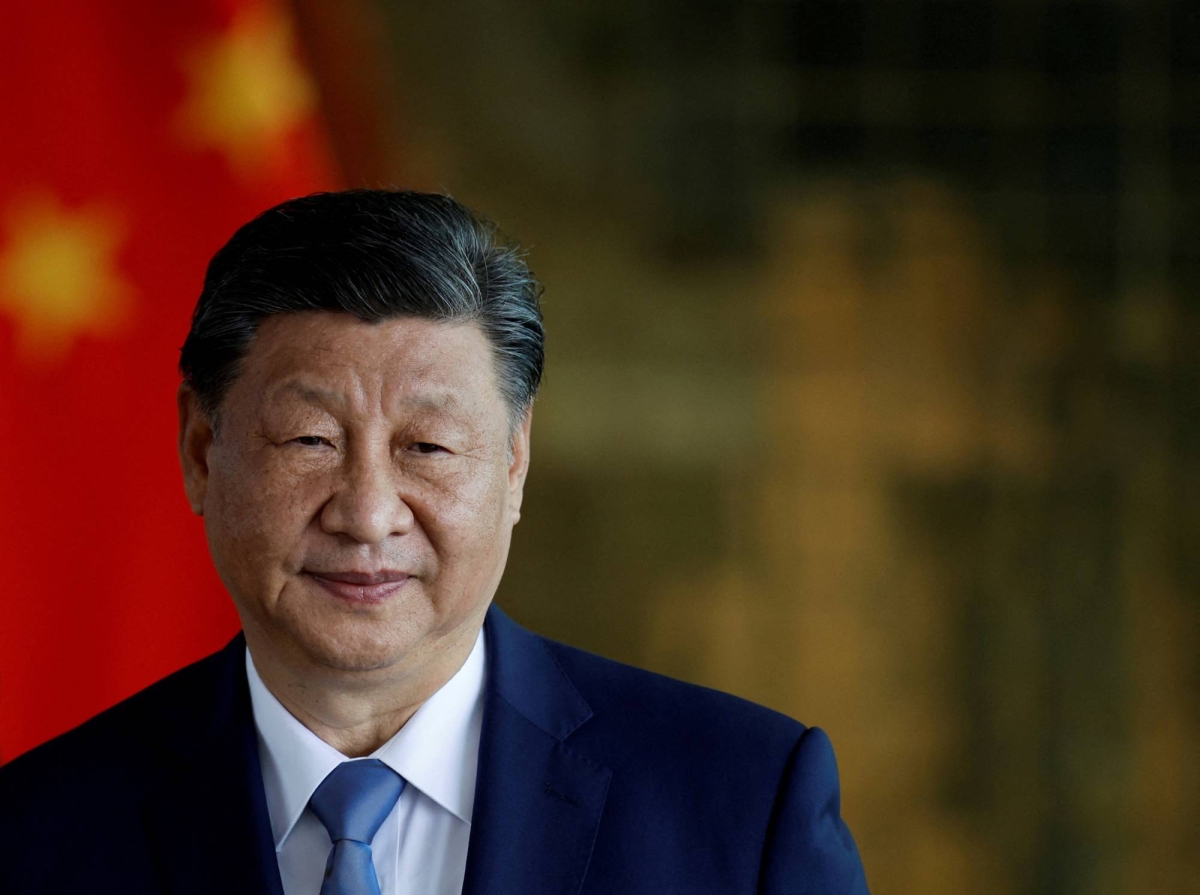
The Xi Jinping India visit could become one of Asia’s most closely watched diplomatic events of 2026. The Chinese president is likely to attend the BRICS summit in New Delhi on 12–13 September, according to reports citing Indian sources familiar with the preparations. If the visit proceeds, it will be Xi’s first trip to India since October 2019 and his first since the deadly India–China border clash of 2020.
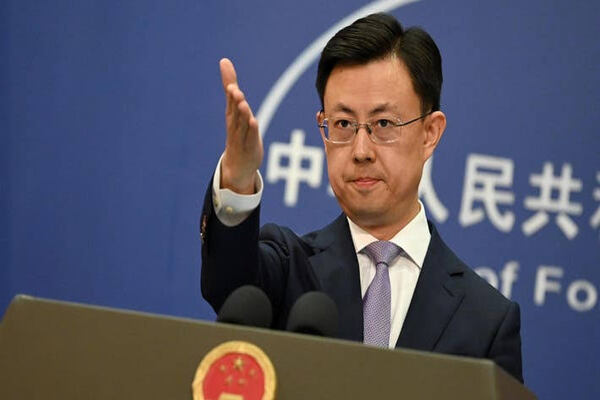
Reports suggest that Xi could arrive with approximately 400 officials—more than twice the size of the delegation that accompanied him in 2019. Chinese officials are reportedly working on hotels, security arrangements and protocol. However, the travel plan has not been officially confirmed. China’s foreign ministry has said it has no information to announce, while India’s Ministry of External Affairs has not commented publicly.
Why the Xi Jinping India Visit Matters
The possible visit follows a slow diplomatic recovery that began after India and China reached a disengagement and patrolling agreement in October 2024. Prime Minister Narendra Modi subsequently met Xi Jinping in Kazan and visited China in 2025. Direct flights, business-visa processing and some institutional exchanges have gradually resumed.
Nevertheless, the relationship remains fragile. The disputed Himalayan boundary stretches roughly 3,800 kilometres, and a reported encounter between Indian and Chinese patrols in July demonstrated how quickly tensions can return. India continues to insist that peace and tranquillity along the border are essential for normal relations.
What India Will Be Watching
Trade will be another major test. India imported approximately $132 billion worth of Chinese goods during the 2025–26 financial year. Bilateral trade reached about $151.1 billion, leaving India with a deficit exceeding $100 billion. New Delhi has consequently demanded fairer market access, more predictable supply chains and greater opportunities for Indian exporters.
The Xi Jinping India visit would therefore be diplomatically important, but attendance alone would not establish a genuine reset. The real evidence will be found in border-management commitments, trade decisions, high-level dialogue and whether both governments can prevent another military confrontation. A ceremonial handshake may improve the atmosphere; rebuilding strategic trust will require measurable action.
Beyond the headline: can one visit repair a damaged relationship?
Xi Jinping’s expected arrival in New Delhi would carry considerable diplomatic symbolism. Yet border stability, economic imbalance and strategic mistrust will determine whether it produces more than carefully managed photographs.
What is currently known
From informal summits to military confrontation
Xi’s last visit to India took place in October 2019, when he met Prime Minister Narendra Modi in Mamallapuram. The informal setting presented an image of personal diplomacy and strategic communication. Within months, however, the border relationship deteriorated sharply.
Modi and Xi hold their second informal summit in Mamallapuram.
The Galwan Valley clash kills 20 Indian soldiers and four Chinese soldiers, leading to a prolonged military standoff.
The two sides reach a disengagement and patrolling arrangement, followed by a Modi–Xi meeting in Kazan.
Modi visits China and both leaders support gradual stabilisation, institutional dialogue and continued border management.
Xi is expected in New Delhi for BRICS, although final confirmation and details of a bilateral meeting are still awaited.
This history explains why the proposed trip cannot be judged only by its ceremonial programme. Previous leader-level engagement did not prevent relations from collapsing when conditions changed along the Line of Actual Control. India will therefore look for mechanisms capable of surviving beyond a single summit.
Three tests for the proposed visit
1. Can the border remain stable?
Border peace remains the central condition for sustainable relations. The October 2024 arrangement enabled further disengagement and the restoration of some patrolling and grazing activity. Nevertheless, the boundary remains undemarcated, rival territorial claims continue and military infrastructure has expanded on both sides.
Reports of Indian and Chinese patrols coming face-to-face again in July 2026 demonstrated the fragility of the situation. A meaningful summit outcome would include stronger communication, clearer patrolling procedures and regular meetings between commanders and diplomats.
2. Can trade become less one-sided?
Economic links have expanded even while political trust has weakened. During the 2025–26 financial year, India reportedly imported around $132 billion in Chinese goods. Total trade reached approximately $151.1 billion, producing an Indian deficit of more than $100 billion.
Indian factories depend on Chinese machinery, electronic components, chemicals, batteries and other intermediate goods. New Delhi’s challenge is therefore not simply to reduce commerce, but to obtain better market access for Indian pharmaceuticals, technology, agricultural products and manufactured goods while building domestic capacity.
3. Can tactical cooperation create strategic trust?
India and China share an interest in protecting strategic autonomy and increasing the influence of developing economies in global institutions. They can cooperate through BRICS on finance, climate policy, technology governance and institutional reform.
That cooperation does not remove their rivalry. The boundary dispute, China’s close relationship with Pakistan, competing influence across the Indian Ocean and differing regional security partnerships will continue to limit trust. External pressure may encourage temporary coordination, but it does not automatically create a durable partnership.
Why New Delhi offers a useful diplomatic stage
BRICS allows both governments to engage without describing the encounter as a formal bilateral state visit. China can demonstrate its support for India’s 2026 chairship, while India can host Xi without suggesting that every outstanding dispute has been resolved.
India’s BRICS theme—Building for Resilience, Innovation, Cooperation and Sustainability—also offers practical subjects for negotiation. Supply-chain stability, development finance, artificial intelligence, energy security and reform of international institutions could all provide areas of limited cooperation.
Three possible summit scenarios
Substantive progress
Modi and Xi hold a bilateral meeting and announce concrete border, trade, travel or diplomatic measures with deadlines and follow-up mechanisms.
Managed stabilisation
The leaders reaffirm dialogue and border peace without resolving major disputes. Relations remain competitive but become more predictable.
Symbolism only
Xi attends BRICS, but the governments produce photographs and general statements without measurable bilateral commitments.
What to watch during the visit
| Issue | Positive signal | Warning sign |
|---|---|---|
| Border | New confidence-building measures and reliable patrol protocols | Vague promises or another confrontation near the LAC |
| Trade | Specific Chinese market-access commitments for Indian exporters | Trade expands while the deficit remains unaddressed |
| Diplomacy | A scheduled Modi–Xi bilateral meeting and follow-up dialogue | No bilateral meeting or conflicting official accounts |
| Connectivity | Stable flights, visas and people-to-people exchanges | Administrative restrictions return after the summit |
Five outcomes India should seek
- Predictable and verifiable border-management procedures
- Fairer access to the Chinese market for Indian companies
- Reliable supplies without creating deeper strategic dependence
- Regular military, diplomatic and political communication
- Respect for India’s sovereignty and territorial sensitivities
The bottom line
Xi Jinping’s return to India would be an important diplomatic signal after seven difficult years. A large delegation may demonstrate Beijing’s interest in rebuilding engagement, and New Delhi has good reason to keep communication open with its largest neighbour.
Yet the visit should be measured by outcomes, not scale or ceremony. The strongest evidence of progress would be continued peace on the border, verifiable agreements, fairer trade and regular dialogue. Until those elements emerge, the proposed visit is better understood as a test of a fragile rapprochement—not proof of a complete India–China reset.








Leave a Reply