
Xi Jinping has placed the SCO Belt and Road Initiative at the centre of China’s Eurasian strategy. CCTV’s Xinhua-sourced coverage from Bishkek links Xi’s SCO agenda with regional infrastructure and security cooperation. At the summit, he called the SCO a priority platform for high-quality BRI construction, according to Xinhua’s official report. Beijing says these projects will improve connectivity, security and regional development. However, the initiative carries a troubled record across Asia, Africa and Europe. Several projects have faced protests, debt pressure, environmental damage and costly renegotiations. India also rejects the BRI because CPEC violates its sovereignty. The central question is whether China’s new promises can overcome these failures.

What Xi Announced in Bishkek
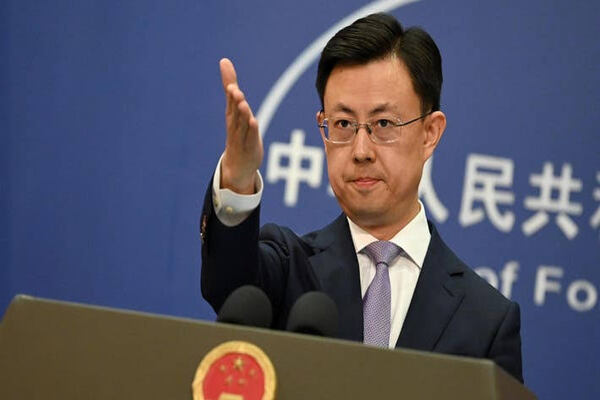
Chinese President Xi Jinping addressed the 26th SCO Council of Heads of State meeting in Bishkek on 1 September 2026. He described the organisation as a priority area for “high-quality” Belt and Road construction and the Global Development Initiative.
Xi also offered to make the SCO an important platform for China’s Global Security Initiative. He linked the organisation with the Global Civilization and Global Governance initiatives. Therefore, Beijing’s proposal extends far beyond roads and railways. It seeks to connect infrastructure, security and political coordination under Chinese frameworks.
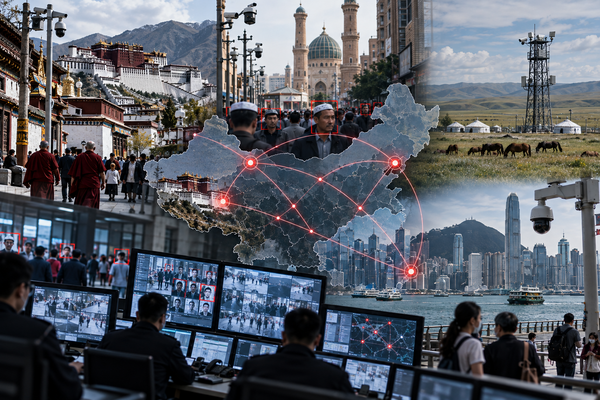
The SCO offers an enormous stage. Its ten members cover about 36 million square kilometres and include more than 3.4 billion people. They account for roughly one-quarter of global economic output. Few organisations offer Beijing similar reach across the Eurasian landmass.
Why China Is Focusing on the SCO
Geography and alternative trade routes
Central Asia connects western China with Russia, Europe, Iran and the Middle East. Railways, highways and pipelines can reduce China’s dependence on vulnerable maritime routes. The China–Kyrgyzstan–Uzbekistan railway represents this land-based strategy.
Regional legitimacy for Chinese projects
A bilateral project can appear to serve Beijing alone. An SCO-backed project gains multilateral language and political cover. China can then present strategic infrastructure as shared regional development.
Security for corridors and workers
Several BRI corridors cross unstable regions. The SCO already coordinates counterterrorism and internal security policy. Linking development with the Global Security Initiative could help China demand stronger protection for routes, workers and investments.
Repairing the Belt and Road brand
Early BRI expansion prioritised speed and scale. The newer “high-quality” language promises greener, smaller and more sustainable projects. It is also an admission that the earlier model generated damaging resistance.
Major Belt and Road Flashpoints
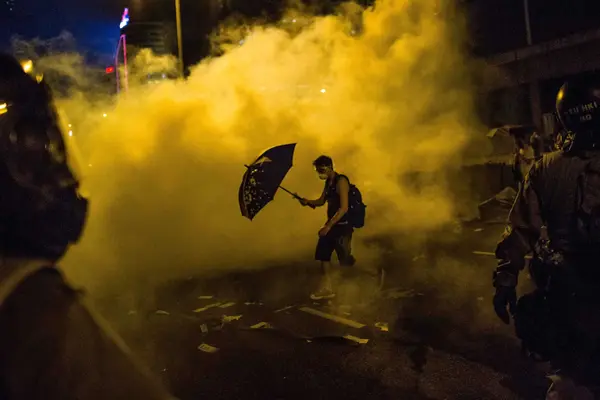
The backlash is not merely a Western narrative. It has appeared in SCO countries and across the wider BRI map.
| Country | Project or dispute | What happened | Main concern |
|---|---|---|---|
| Kazakhstan | Chinese-backed factories | Protests spread across several cities in 2019. | Jobs and influence |
| Kyrgyzstan | $280m logistics centre | A Chinese company withdrew after local protests in 2020. | Debt and consent |
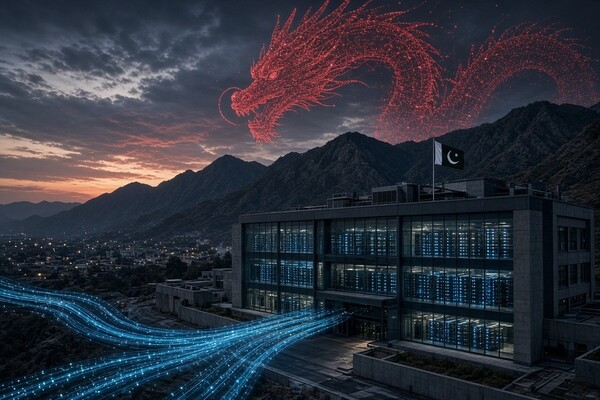
| Pakistan | CPEC and Gwadar | Residents protested over water, electricity, fishing and limited local gains. | Unequal benefits |
| Myanmar | Myitsone dam | The $3.6bn project was suspended after major public opposition. | Displacement |
| Malaysia | East Coast Rail Link | Work resumed after the cost fell from 65.5bn to 44bn ringgit. | Overpricing |
| Kenya | Standard Gauge Railway | Loan secrecy and a six-year funding stall fuelled criticism. | Debt and viability |
| Italy | BRI membership | Rome withdrew in 2023 after expected gains failed to arrive. | Limited returns |
What the Wider Evidence Shows
AidData examined 13,427 Chinese-financed projects worth $843 billion across 165 countries. It found major implementation problems in 35 percent of the BRI infrastructure portfolio. These included corruption scandals, labour violations, environmental hazards and public protests.
The research also estimated that 42 countries had public debt exposure to China above 10 percent of GDP. It identified about $385 billion in underreported debt. Much of that exposure sat through state companies, banks and special-purpose vehicles instead of appearing clearly on government balance sheets.
Repayment pressure is now visible. The Lowy Institute estimated that developing countries owed China $35 billion in debt service during 2025. Around $22 billion was due from 75 of the poorest and most vulnerable countries. Heavy repayments can squeeze spending on hospitals, schools and climate protection.
Documented risks
- Hidden or poorly disclosed liabilities
- Weak procurement and corruption exposure
- Displacement and environmental damage
- Imported labour and limited local gains
Potential gains
- Faster transport and lower trade costs
- New infrastructure where funding is scarce
- Greater investment and market access
- Improved regional connectivity
A fair assessment must recognise those gains. World Bank modelling found that completed BRI transport corridors could cut travel times by up to 12 percent. It estimated trade gains between 2.8 and 9.7 percent for corridor economies. Better connectivity could also lift 7.6 million people from extreme poverty.
However, the World Bank attached strict conditions. Projects need transparent procurement, sustainable debt, trade reform and credible environmental safeguards. Without those protections, expensive infrastructure can become a stranded asset.
India Remains the SCO’s Critical Test
Xi’s plan faces a fundamental obstacle inside the SCO. India has consistently refused to endorse the Belt and Road Initiative. New Delhi’s main objection is the China–Pakistan Economic Corridor. CPEC passes through territory in Jammu and Kashmir held by Pakistan but claimed by India.
India maintains that connectivity must respect sovereignty, territorial integrity, transparency and financial responsibility. Therefore, an SCO statement supporting regional connectivity cannot be treated as unanimous support for China’s BRI. The organisation contains competing national interests, not a single strategic bloc directed from Beijing.
Five Tests for “High-Quality” BRI
1. Will contracts and debts be public?
Governments and citizens need the price, interest rate, collateral, guarantees and repayment schedule before construction begins.
2. Will bidding be genuinely competitive?
Open procurement can reduce inflated costs and prevent projects from becoming automatic contracts for Chinese state-owned firms.
3. Will communities be consulted?
Affected residents need information, fair compensation, local jobs and access to independent courts.
4. Will environmental reviews be independent?
Dams, mines, roads and railways must face credible assessment before fragile habitats or water systems are disturbed.
5. Will peaceful criticism remain protected?
The SCO must distinguish terrorism from lawful protest. Treating local opposition as a security threat will deepen resentment.
Bishkek’s Promises Need Proof
China is focusing on the SCO because it offers geography, scale, security coordination and political influence. Yet Eurasia also contains clear evidence of anxiety about Chinese power.
The Belt and Road can still deliver useful infrastructure. Yet it will lose credibility if host societies absorb the debt, pollution and political risk. China cannot receive the contracts and strategic access alone. Bishkek has given Beijing another platform. That platform will matter only when transparency, consent and accountability shape what actually gets built.





Leave a Reply