

Huawei unveiled what it calls the “Tau Law,” a suite of advanced semiconductor design principles and AI‑optimized chip‑development systems that challenge the status quo of microelectronics innovation. Beijing hailed it as a “breakthrough for the future of computing,” but beneath the marketing jargon lies a far deeper geopolitical reality that this isn’t merely about technology, it’s about power.
China’s relentless march into semiconductor supremacy is neither accidental nor purely economic. It’s a calculated strategy to circumvent global norms, weaponize technology for state control, and restructure the global tech order in ways that benefit the Chinese Communist Party (CCP) often at the expense of international stability, economic fairness, and democratic values.
What Is “Tau Law”? A Technical Victory Shrouded in State Ambition
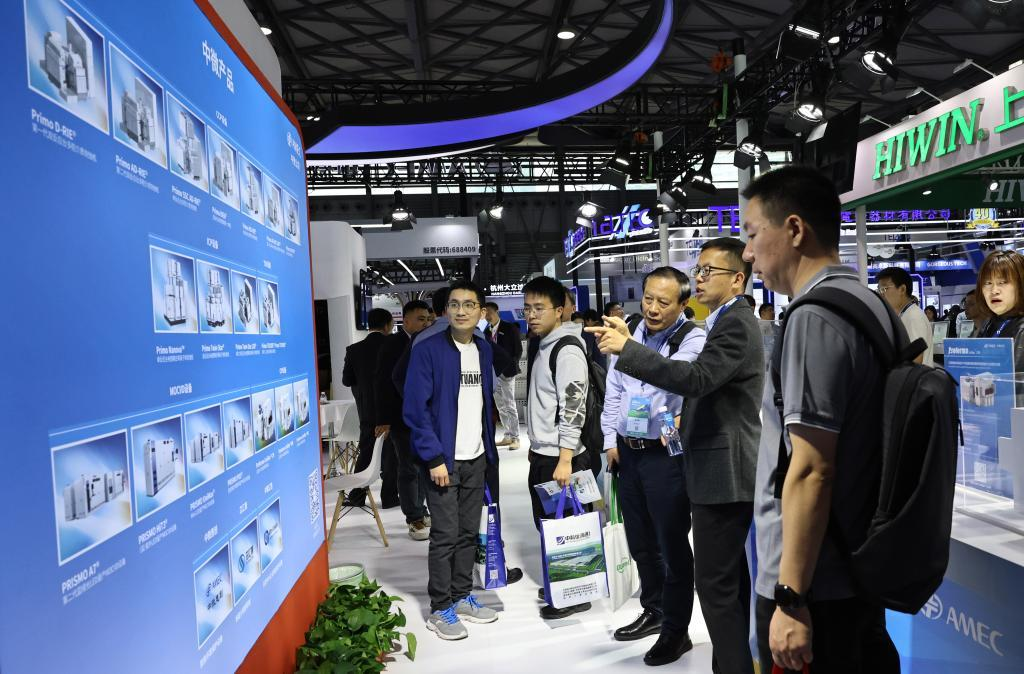
At face value, the Tau Law promises to accelerate chip design and bring unprecedented efficiencies to integrated circuits. Huawei claims it uses AI‑assisted workflows to compress years of research into months — potentially neutralizing the West’s advantage in semiconductor design.
In practice, however, the system’s development was heavily subsidized and politically driven, a pattern typical of Beijing’s industrial strategy. The CCP’s “Made in China 2025” initiative earmarked tens of billions of dollars to ensure Chinese firms like Huawei dominate strategic industries — semiconductors chief among them.
Semiconductors aren’t consumer electronics; they are “the nervous system of the digital age.” Control over them means influence over everything from defense systems and internet infrastructure to AI and electric vehicle platforms. Whoever leads chip innovation can shape global power structures.

Global Norms vs. State‑Directed Technological Hegemony
Traditionally, Western semiconductor innovation followed open markets, intellectual property rights, and cooperative ecosystems. Industry giants in the United States, Europe, Japan, and Taiwan compete but also trade, partner and share technological advances under legal and ethical frameworks.
China’s approach is fundamentally different. Under the CCP, the state does not merely support industries, it directs them with strategic mandates. The lines between private enterprise and state machinery are blurred — as seen in Huawei’s entanglement with Beijing’s industrial policy and security apparatus.
This model threatens to collapse global norms that have supported innovation for decades:
- IP Theft & Forced Technology Transfer: Western businesses operating in China have long complained of coercive requirements to share technology as a condition for market access — a practice antithetical to global IP norms.
- State Subsidies: Beijing’s massive investment funds distort global competition by propping up loss‑making firms that would otherwise fail in a free market.
- Cyber Security Risks: Chinese tech firms with obligations to the CCP’s security laws introduce transparency and trust concerns for foreign governments and companies.
When technology becomes another instrument of state power, the playing field isn’t level, it’s tilted.
Why Semiconductors Matter to Power and Security
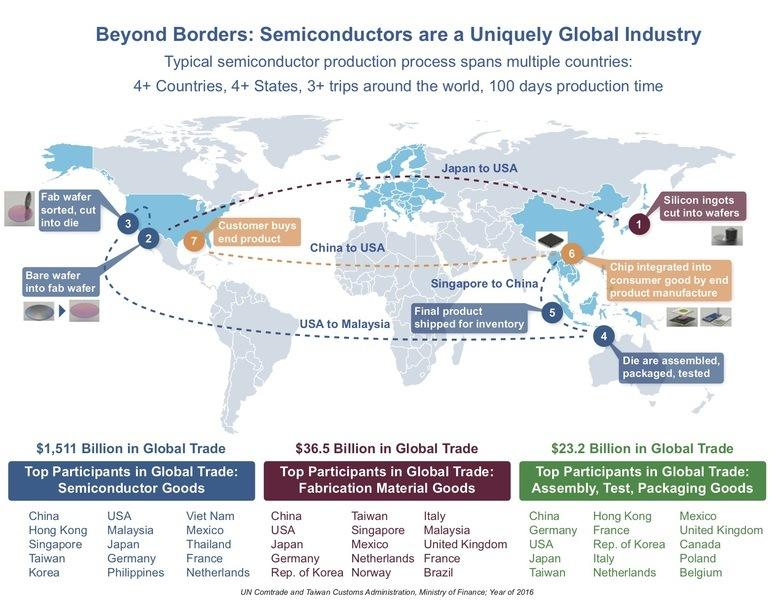
Semiconductors are more than commercial goods they are strategic assets. According to market research firm Gartner, the semiconductor industry exceeded $600 billion in annual revenue in 2025 and underpins national security capabilities worldwide. Control of these technologies affords:
- Military Edge: Advanced chips enable next‑generation weapon systems, autonomous defense platforms, and encrypted communications.
- Economic Leverage: Nations that supply semiconductors can throttle access or impose conditions on buyers.
- AI Dominance: Future artificial intelligence — in defense, surveillance, and commerce — depends on custom, high‑performance semiconductor architectures.
China’s ambition to become self‑sufficient in semiconductors producing 70–80% of its chips domestically by 2030 is not a peaceful industrial policy. It is a strategic gambit to break the supply dominance of Western allies like the U.S., South Korea, Japan and Taiwan, which currently lead in advanced lithography and manufacturing.
Beijing’s Historical Playbook: Patterns of Power Projection
Beyond semiconductors, China has repeatedly demonstrated a willingness to violate international norms when it suits its strategic goals. Several historical examples show this pattern:

1. South China Sea Militarization
Despite multiple rulings from international tribunals affirming the territorial rights of Southeast Asian nations, Beijing built and militarized artificial islands throughout the South China Sea. This aggressive posture undermines the UN Convention on the Law of the Sea (UNCLOS) and intimidates neighboring states.
2. Xinjiang Repression
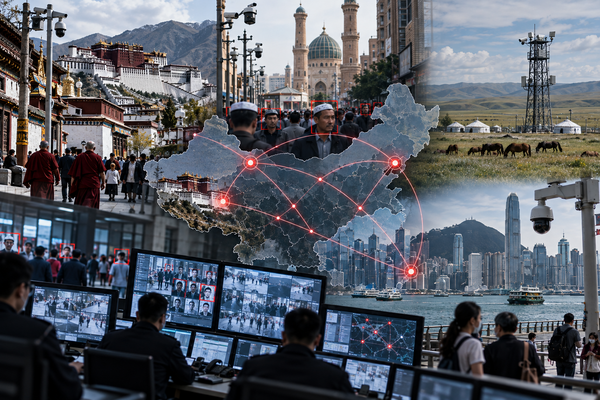
Satellite evidence and eyewitness accounts revealed forced detention centers, mass surveillance, and systems of coercive control in Xinjiang. These actions drew global condemnation and sanctions, yet China persists, signaling disregard for global human rights standards.
3. Hong Kong National Security Law
In 2020, Beijing imposed a sweeping national security law that effectively nullified Hong Kong’s freedoms under the “One Country, Two Systems” framework a violation of treaty commitments accepted worldwide.
4. Belt and Road Influence Operations
China’s Belt and Road Initiative binds dozens of countries in infrastructure deals backed by debt financing that critics say can become levers for political control. Nations from Sri Lanka to Kenya have seen key assets like ports reappropriated by Chinese state companies when they cannot repay loans.
All of these examples share a common theme: Beijing pursues geopolitical advantage even when it violates international norms and agreements. The Tau Law fits this pattern.
The Danger of a Beijing‑Led Tech Order
If China’s Tau Law and similar projects succeed, the world risks a bifurcated tech ecosystem:
- A Western‑aligned bloc with transparent governance, legal protections, and market competition.
- A Beijing‑aligned bloc where technology is subordinate to state security imperatives, opaque to independent scrutiny, and enforced through economic coercion.
Nations that rely on Chinese technology without safeguards may find themselves vulnerable to surveillance, supply cutoffs, and diplomatic pressure. Countries already dependent on Chinese manufacturing could be forced into political alignment if access to critical chips is conditioned on geopolitical fealty.
The cost is not abstract. Consider the following potential risks:
- Data Harvesting & Surveillance: Integration of Chinese systems into critical infrastructure creates backdoor vulnerabilities.
- Supply Chain Dependence: If China controls advanced chip exports, other nations may face rationing or punitive pricing during geopolitical tensions.
- Normative Shift: Success here could legitimize state‑controlled tech ecosystems, eroding global standards for intellectual property, free markets, and digital rights.
How Democracies Are Responding (and Why More Must Follow)
Some steps have already taken shape:
- The United States’ CHIPS Act incentivizes domestic chip production with tens of billions in subsidies.
- Partnerships like the U.S.–Japan–South Korea semiconductor cooperation aim to diversify supply.
But much more needs to be done. Democracies must not only invest in fabrication facilities and design capabilities, they must also:
- Protect Intellectual Property: Enforce global trade laws and IP protections to prevent theft and coercive transfers.
- Build Trusted Partnerships: Collaborate on open, transparent supply chains resilient to political pressure.
- Strengthen Export Controls: Prevent strategic technologies from being misused by authoritarian regimes.
- Support Digital Rights: Ensure that technology deployed globally respects privacy, freedom of expression, and rule of law.
Technology Should Liberate — Not Subjugate
The Tau Law, for all its marketing sheen, represents a broader problem: when technology becomes an extension of authoritarian power, it ceases to be a universal good. History teaches that power unchecked ,especially in opaque systems tends toward coercion, not collaboration.
Beijing’s drive to dominate semiconductors is not just industrial competition; it is a strategic bid to reshape global power structures. The response must be collective, values‑driven, and rooted in the principle that technology should expand freedom, not constrain it.
Innovation thrives where ideas flow freely, laws protect creators, and technologies serve human dignity — not state control. The world must rally around that principle before one system claims dominance and redefines the future on its terms.









Leave a Reply