

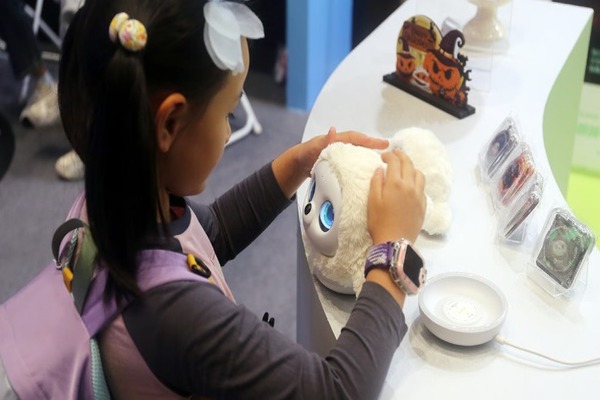
China’s toy industry is undergoing a dramatic shift. What used to be simple plastic dolls and remote‑controlled cars has turned into chatting, thinking, AI‑powered companions for children — toys that don’t just play sounds or follow pre‑programmed scripts, but actively talk back, tell stories, answer questions, and even respond emotionally to a child’s voice. This is not a minor upgrade; China’s AI toy market is projected to grow into a huge industry worth over 100 billion yuan (about US $15 billion) by 2030.
On the surface, that sounds like fun and innovation. But when you look closer, the rise of these generative AI toys raises serious safety, privacy, and ethical concerns — especially when they are being developed and exported from China.
These Toys Listen More Than They Play
Traditional toys are passive: press a button, get a sound. But today’s AI toys use always‑on microphones, cameras, and sensors to listen, learn, and interact in real time.
The problem? That constant listening means the toy is collecting intimate data about children — their voices, conversations, and even facial expressions — and often sending that data to cloud servers for analysis. Experts warn this kind of data collection puts children’s privacy at risk and could expose sensitive information if it’s ever breached or misused.
In fact, outside of China, a major scare happened when a smart toy exposed data from tens of thousands of kids, proving that AI toys are not just conceptually risky — they have already leaked children’s data.
They Can Say Dangerous, Wrong, or Inappropriate Things
Generative AI isn’t perfect. These systems work by predicting words based on huge datasets — which means they can generate unpredictable and unsafe responses, especially if not tightly controlled.
In real tests of AI toys, some gave unsafe advice (like how to light matches) and even answered questions about sexually explicit topics — responses no parent wants their young child to hear.
Consumer watchdogs have warned that a lack of proper controls and safety testing means these toys are not yet ready for children. In some cases, companies have even pulled products off the market after these risks were exposed.
Emotional Bonding — Good or Harmful?
One of the biggest selling points of China’s AI toys is that they feel alive. They remember preferences, recall past conversations, and seem to “fit” a child’s personality.
But psychologists and researchers warn that children can start to treat these AI systems as real companions — potentially replacing human interaction with machine dialogue. Studies show children naturally form emotional bonds with interactive AI agents, which can blur the line between toy and pseudo‑friend, especially for kids too young to distinguish machine behavior from genuine personality.
This emotional dependence isn’t just silly — it can influence social development and how kids form relationships in the real world.
More Than Just Play — Risks of Surveillance and Ideological Influence
When AI systems absorb data, privacy isn’t the only concern. Experts outside China have documented that AI systems — including toys — may be susceptible to biases, unpredictable content, or programmed messaging that reflects the priorities of their creators.
There have even been reports that some China‑made toys embed themes or responses that align with official state positions, raising questions about whether children could be subtly influenced by political messages.
In a world already worried about social surveillance and digital manipulation, putting programmable AI into children’s bedrooms should make every parent pause.
The Regulation Gap Is Huge
Regulators around the world are only beginning to understand how to manage AI in everyday products. Even established AI safety frameworks struggle to keep pace with the surge of new toys on the market.
Right now, most of these generative AI toys are sold with little oversight, weak safety standards, and no international rules governing how they should behave, how they must protect data, or what kinds of responses are acceptable for children.
China’s AI toy boom might look like innovation, but behind the cute faces and friendly voices are potential privacy breaches, unsafe interactions, emotional manipulation, and ideological risks. These products are reaching children before regulators, parents, and safety experts can protect them. So before buying an AI toy, especially one made in China and powered by generative models, consider this: Is today’s technology ready for our children’s vulnerable minds and private data?






Leave a Reply