

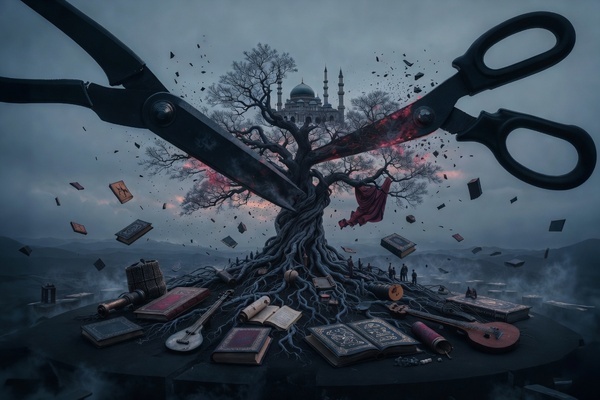
Since 2014, the Uyghur people, a predominantly Muslim ethnic group native to Xinjiang, have faced an increasingly oppressive campaign led by the Chinese government to eliminate their cultural, religious, and social identity. At the heart of this cultural genocide lies a ruthless effort to target Uyghur intellectuals, public figures, and community leaders. From professors, doctors, teachers, entrepreneurs, influencers, artists, to cultural envoys, these pillars of Uyghur society have become the first victims of China’s systematic crackdown.
The mass detentions, forced labor, indoctrination, and cultural erasure are part of a broader strategy aimed at destroying Uyghur identity, and this intellectual genocide serves as a key element in that plan. The Chinese government’s targeting of these intellectuals is not merely an assault on individuals but also on the collective Uyghur history, culture, and future. The disappearance of these respected individuals threatens to sever the Uyghur people from their roots, their heritage, and their capacity to rebuild their society.
The Intellectuals: Guardians of Uyghur Society
The intellectuals, public figures, and leaders who have been detained or disappeared have been the torchbearers of Uyghur society, its progress, its culture, and its voice on the global stage. These are the individuals who have worked to preserve Uyghur history, fought for Uyghur rights, and played an essential role in passing down the language, culture, and traditions of the Uyghur people. Many of these individuals were highly regarded in their fields, whether as professors, doctors, cultural advocates, entrepreneurs, soccer players, singers, or poets.
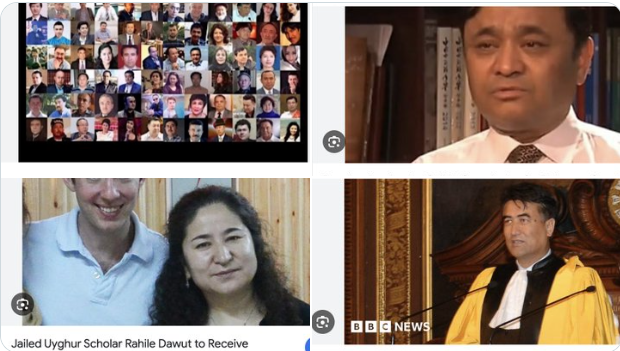
Some of the most prominent figures who have been detained by the Chinese authorities include:
- Prof. Dr. Rahila Dawut, a respected Uyghur academic and scholar, was detained by Chinese authorities under mysterious circumstances, despite her role in advocating for Uyghur culture and history.
- Prof. Abduqadir Jalalidin, a distinguished linguist, has worked extensively on the preservation of the Uyghur language, and like many others, he has vanished into the internment camps.
- Prof. Dr. Tashpolat Teyip, a noted geographer and academic leader, was also detained by the Chinese government, despite his international reputation and contributions to academic knowledge about Uyghur culture and geography.
- Prof. Dr. Halmurat Ghopur, a scholar and intellectual, was similarly imprisoned under dubious circumstances.
These are just a few of the more than 487 intellectuals, activists, and cultural figures who have been detained since 2014. They represent the broad sweep of Chinese efforts to eliminate the Uyghur intellectual class and the foundational pillars that support the Uyghur identity.
Mass Detentions and the Loss of Uyghur Intellectuals
The Chinese government’s actions against Uyghur intellectuals are part of a much larger, systematic campaign designed to erase Uyghur culture. It is estimated that over one million Uyghurs have been detained in “re-education” camps since 2017, although some reports suggest the true number may be far higher. The intellectuals detained include professors, authors, cultural figures, and business leaders, all of whom have played key roles in maintaining Uyghur society’s ties to its culture and history.
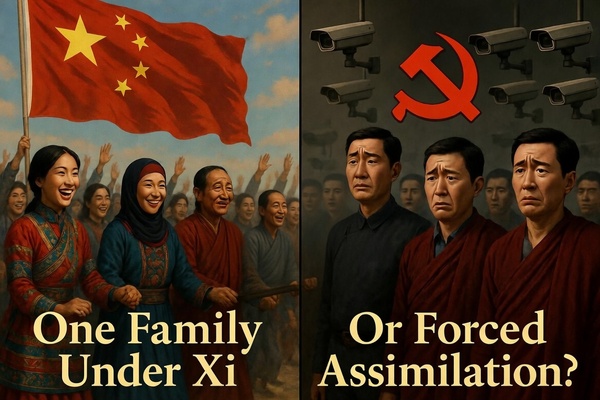
These individuals, who once contributed greatly to the preservation of the Uyghur language and cultural traditions, have been detained not just for their activism but for their very existence as Uyghur leaders. They are viewed as a direct threat to the Chinese government’s Sinicization policies, which aim to integrate all ethnic minorities in China into the broader Chinese identity. The Uyghur language, Islamic beliefs, and Uyghur culture are seen as obstacles to this agenda, and intellectuals are targeted as key influencers of Uyghur society’s independence.
The Strategy of Intellectual Genocide
The Chinese government’s strategy is clear: by eradicating the Uyghur intellectual class, the Chinese state can weaken Uyghur society’s ability to resist assimilation. Intellectual genocide is being carried out with the ultimate goal of reshaping Uyghur identity, eliminating cultural memory, and breaking the continuity of Uyghur society.
Historically, intellectuals have always been at the forefront of resistance to state control, which is why they have been particularly vulnerable to Chinese oppression. As the Guardians of Uyghur History, they represent a constant threat to the regime’s desire to rewrite Uyghur identity.
The government’s assault on these intellectuals is not limited to physical imprisonment but extends to a broader effort to destroy the collective memory of the Uyghur people. By disrupting the intellectual leadership of the community, the Chinese government hopes to obliterate Uyghur culture and reshape the population into a submissive, assimilated group that poses no threat to the regime’s control.
Impact on Uyghur Society and the World
The loss of Uyghur intellectuals has profound consequences not just for the Uyghur people but for the world. Uyghur scholars, writers, artists, and activists have been instrumental in bringing the world’s attention to the human rights violations taking place in Xinjiang. Many of these intellectuals were well-regarded internationally, contributing valuable research, writing, and advocacy to global efforts to protect minority rights. The disappearance of these figures leaves a void in the Uyghur diaspora, one that cannot be easily filled.
As the Uyghur intellectual class is systematically eradicated, the global community loses some of the most credible voices on the issue of Uyghur rights. These disappearances serve not only as a direct attack on Uyghur society but also as a warning to the world about the potential consequences of remaining silent in the face of systematic genocide.
The Uyghur diaspora, particularly those in countries like Turkey, the United States, Canada, and Europe, have been active in advocating for their detained intellectuals and calling for international action. However, this advocacy is met with great challenges due to China’s growing political influence and the tendency of international powers to prioritize trade relations over human rights.
The Path to Justice: Calls for the Release of Uyghur Intellectuals
The international community must demand the immediate release of these valuable Uyghur intellectuals and ensure their protection. As these intellectuals remain detained in Chinese camps, the possibility of a future free from the Chinese government’s control grows increasingly remote. The Uyghur people’s culture is at risk of being permanently erased, and it is incumbent on global leaders to prevent this cultural genocide from continuing.
In addition to direct diplomatic pressure on China, global powers and human rights organizations must advocate for the end of mass detentions, and sanctions on Chinese officials directly involved in the persecution of Uyghur intellectuals. International law must be used as a tool to hold China accountable for its crimes against humanity and to ensure that those who have been detained for their beliefs are returned to their communities.
The systematic targeting of Uyghur intellectuals, community leaders, and cultural figures represents one of the most severe efforts in recent history to erase a people’s identity. China’s actions against Uyghur society are part of a broader pattern of cultural suppression that threatens not only the Uyghurs but also the fundamental principles of human rights and freedom of expression.
It is essential that the global community come together to advocate for the release of these intellectuals and work to prevent the further destruction of Uyghur culture. The world must act now, before the erasure of the Uyghur people’s past becomes permanent. The Uyghur intellectuals are the lifeblood of a resilient, proud culture, and their protection is vital to the survival of Uyghur identity.
China must immediately release these detained intellectuals, and the global community must ensure their freedom, for without them, Uyghur society risks losing its future.











Leave a Reply