

Chinese President Xi Jinping sent a condolence message to the family of former Japanese Prime Minister Yasuo Fukuda on October 27, 2026, paying tribute to the late leader while urging Japan’s current government to respect the diplomatic agreements underpinning relations between Beijing and Tokyo. Fukuda, who served as Japan’s prime minister from 2007 to 2008, died on October 22 at the age of 90. While the message acknowledged his contributions to bilateral cooperation, Xi’s appeal to uphold four historical political documents attracted attention amid renewed tensions over Taiwan. The condolences therefore carried significance beyond a conventional diplomatic tribute, drawing attention to competing interpretations of Japan- China relations and the regional security challenges facing both countries.
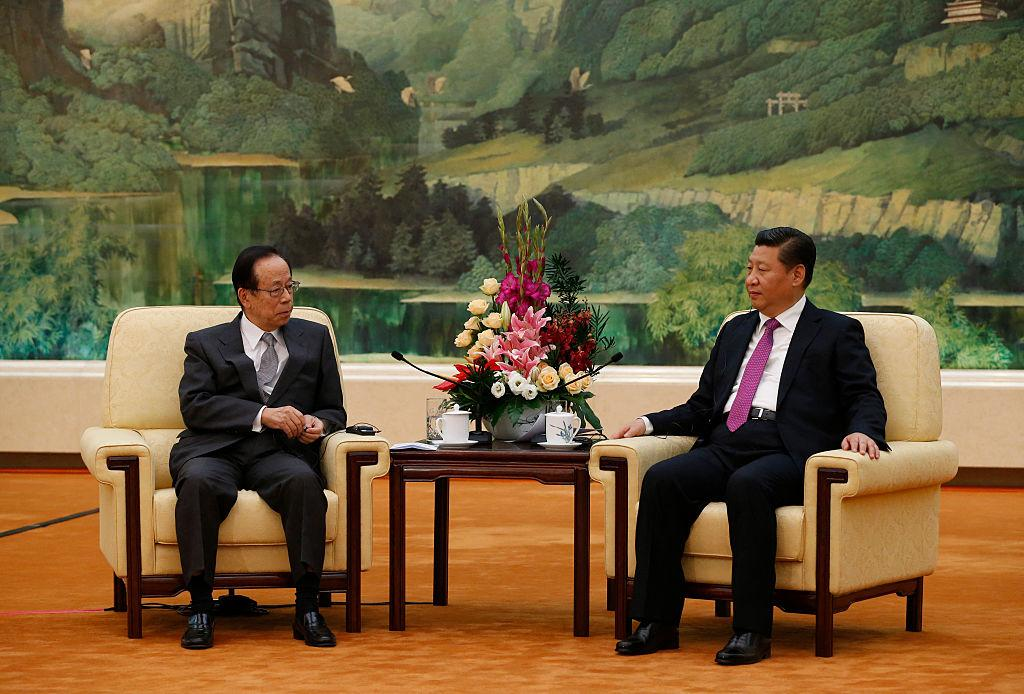
Xi Jinping Praises Fukuda While Appealing to Japan’s Leadership
According to an October 27 report by Japan’s Kyodo News, published on Livedoor, Xi described Fukuda as a statesman of integrity and responsibility who had worked to strengthen relations between Japan and China. The Chinese leader acknowledged Fukuda’s support for diplomatic dialogue and his role in advancing cooperation during a period when both governments sought greater stability in their relationship.
However, the message went beyond praise for the former prime minister. Xi called on Japanese leaders to preserve the diplomatic foundations established by previous generations and abide by the four political documents governing bilateral ties.
An official statement published by China’s Ministry of Foreign Affairs confirmed that Xi regarded these agreements as central to maintaining stable relations. He also expressed hope that Fukuda’s family would continue supporting friendship between the two countries.
The reference to Japan’s current leadership is particularly significant. Although Xi did not name Prime Minister Sanae Takaichi in the condolence message, its emphasis on longstanding agreements comes at a time of serious disagreement over Taiwan and Japan’s regional security responsibilities.
Yasuo Fukuda’s Diplomatic Legacy and Relations with Beijing
Yasuo Fukuda occupied a distinctive position in Japanese diplomacy because of his consistent advocacy of engagement with China. During his relatively short tenure as prime minister, he promoted closer cooperation with then-Chinese President Hu Jintao and supported efforts to reduce political mistrust between the two countries.
In May 2008, Fukuda and Hu issued a joint statement promoting a mutually beneficial relationship based on shared strategic interests. The agreement emphasized peaceful coexistence, economic cooperation and the importance of dialogue. Its language reflected a broader effort to strengthen bilateral relations despite historical disagreements and competing national interests.
Fukuda continued participating in regional diplomacy after leaving office. In 2014, he met Xi Jinping in Beijing during a period of strained relations following territorial disputes in the East China Sea. As the Associated Press reported in its October 2026 obituary, Fukuda’s engagement helped encourage renewed high-level contact between Japan and China.
His legacy illustrates the importance that personal relationships and experienced political figures have sometimes played in maintaining communication between the two governments.
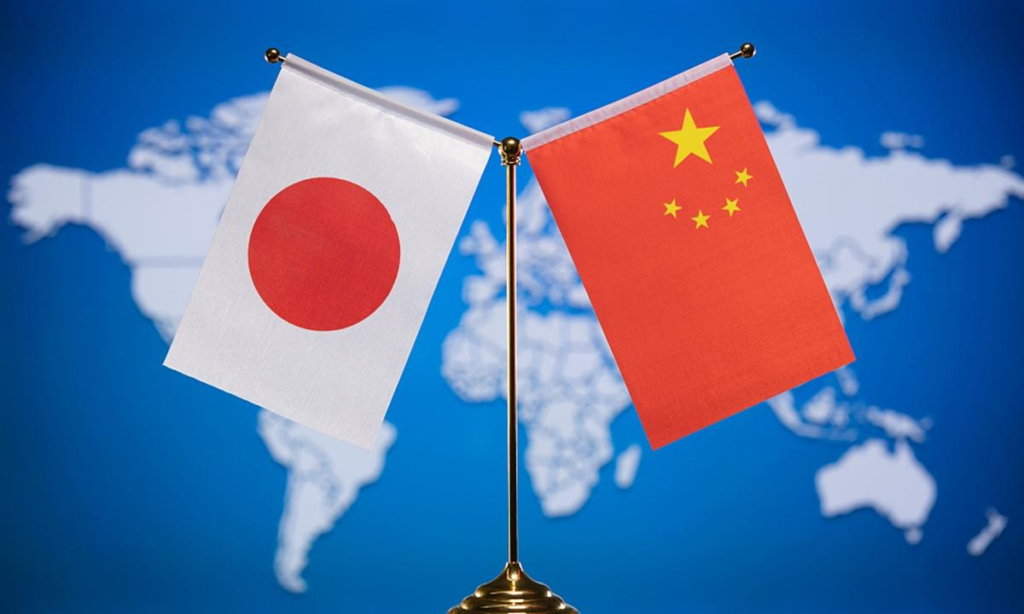
What Are the Four Political Documents Xi Jinping Wants Japan to Uphold?
Xi’s reference to the four political documents concerns agreements that form the historical framework of modern Japan–China diplomatic relations. They comprise the 1972 Joint Communiqué, which normalized diplomatic relations; the 1978 Treaty of Peace and Friendship; the 1998 Joint Declaration on cooperation for peace and development; and the 2008 Joint Statement promoting mutually beneficial relations based on common strategic interests.
The 1972 Joint Communiqué, available through Japan’s Ministry of Foreign Affairs, is particularly relevant to current disagreements over Taiwan. Japan recognized the government of the People’s Republic of China as the sole legal government of China and stated that it understood and respected Beijing’s position that Taiwan forms part of Chinese territory. The wording is important because recognizing Beijing as China’s government is not identical to explicitly recognizing Chinese sovereignty over Taiwan.
The 2008 agreement associated with Fukuda reaffirmed earlier bilateral commitments and emphasized cooperation and regional stability. Its published text also acknowledged the responsibility of both countries to contribute to peace and development in the Asia-Pacific.
By invoking these documents, Xi was emphasizing continuity with an established diplomatic framework. Nevertheless, disagreements remain over how historical agreements should be interpreted in relation to present-day security concerns, particularly those involving Taiwan.
Taiwan Dispute Adds Political Weight to the Condolence Message
Relations between Beijing and Tokyo deteriorated sharply after Japanese Prime Minister Sanae Takaichi discussed the possibility that a military crisis involving Taiwan could constitute a survival-threatening situation for Japan in November 2025.
China strongly criticized her remarks, interpreting them as an unacceptable suggestion of possible Japanese military involvement in a Taiwan conflict. Beijing subsequently demanded that the comments be withdrawn and adopted economic and diplomatic measures against Japan. Reuters reported that these measures included warnings against travel to Japan and restrictions on exports of certain dual-use goods.
Japan’s security concerns, however, are shaped by Taiwan’s geographical proximity, regional shipping routes and the possibility that an armed confrontation could threaten Japanese territory or personnel. Tokyo has maintained that its position regarding Taiwan is grounded in the 1972 communiqué while emphasizing regional peace and stability.
Against this background, Xi’s references to historical agreements can reasonably be interpreted as a diplomatic reminder of Beijing’s expectations. The message did not explicitly announce a new policy toward Japan, but its timing and language linked Fukuda’s legacy to an unresolved political dispute.
Diplomacy, Historical Memory and the Future of Japan–China Relations
Xi’s tribute also highlighted the continuing importance of historical memory in relations between the two Asian powers. References to a correct understanding of history have long appeared in Chinese diplomatic discussions concerning Japan, reflecting unresolved sensitivities over Japan’s wartime actions and their place in contemporary political relations.
For China, the four political documents represent commitments that should continue guiding Japan’s conduct. For Japan, the challenge involves maintaining its established diplomatic position while addressing changing regional security circumstances and its responsibilities under its own national security framework.
Fukuda’s diplomatic approach placed considerable importance on communication even during periods of disagreement. In a 2022 interview with the Associated Press, he warned that inadequate dialogue could increase misunderstanding and the risk of unexpected developments between the two countries.
His death removes an experienced advocate of bilateral engagement at a time when communication and mutual confidence remain important.
What Xi Jinping’s Message Reveals About the Diplomatic Divide
The condolence message demonstrates how historical diplomatic commitments remain central to contemporary Japan–China relations. Xi used the occasion to commemorate a Japanese leader who had supported cooperation, while also reminding Tokyo of Beijing’s interpretation of the principles established through decades of bilateral agreements.
The central question is whether both governments can maintain dialogue while managing their differences over Taiwan and regional security. Fukuda’s legacy offers a historical example of engagement, but the circumstances confronting today’s leaders are considerably different from those of 2008.
Ultimately, the significance of Xi’s message lies not only in its tribute to Yasuo Fukuda but also in its renewed focus on the diplomatic foundations of a relationship facing sustained political and strategic pressure.













Leave a Reply