

Joshua Wong was sentenced to 10 years in prison on November 5, 2026, after pleading guilty to conspiracy to collude with foreign forces under Hong Kong’s National Security Law. The 30-year-old activist was accused of working with overseas campaigners to seek international sanctions and other measures against the governments of Hong Kong and China. The sentence marks another dramatic turn in the life of a man who first entered public life not as a veteran politician, but as a 15-year-old school student challenging changes to Hong Kong’s education system.
Wong’s case has again placed China, Hong Kong’s National Security Law and the shrinking space for political opposition under international scrutiny. Beijing and Hong Kong authorities argue that seeking foreign sanctions crosses a clear national-security boundary and that stronger laws were necessary after the political upheaval of 2019. Critics, however, see Wong’s prosecution as evidence of how political activism, international lobbying and forms of dissent once tolerated in Hong Kong have increasingly become matters of national security. His story therefore raises a much larger question: how did a teenage protest leader become one of the most closely watched political prisoners in Hong Kong?
From Teenage Protester to National-Security Prisoner
Joshua Wong’s journey from student activism to a 10-year prison sentence offers one of the clearest windows into Hong Kong’s political transformation over the past fourteen years.
The decade that now separates Wong from freedom
Hong Kong’s High Court sentenced Joshua Wong to 10 years in prison after he pleaded guilty to conspiracy to collude with foreign forces. Prosecutors alleged that Wong and others sought sanctions, blockades and international pressure against Hong Kong and Chinese authorities.
The punishment places Wong among the most prominent figures convicted under Hong Kong’s national-security framework. More importantly, it dramatically extends the imprisonment of an activist who was already serving another sentence connected to the city’s former pro-democracy movement.
The schoolboy who became an international political symbol
Wong’s political life began long before the National Security Law existed. Follow the timeline to see how his biography became intertwined with Hong Kong’s changing political landscape.
Why is China so central to Joshua Wong’s case?
The answer lies in what happened after the 2019 protests
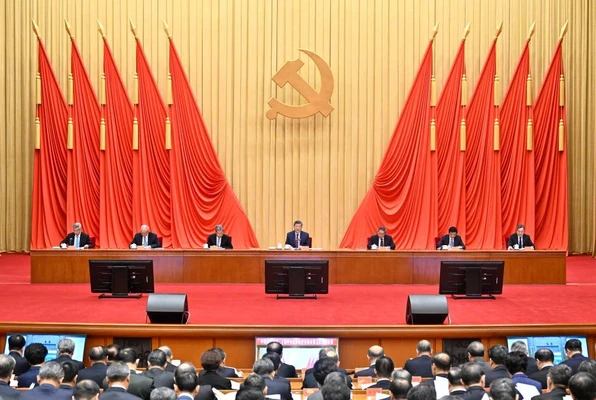
Hong Kong returned to Chinese sovereignty in 1997 under the “one country, two systems” framework. It retained a separate legal and economic system, but the scale and intensity of the 2019 protest movement convinced Beijing that Hong Kong faced serious national-security vulnerabilities.
For Beijing and Hong Kong authorities, urging foreign governments to impose sanctions or other hostile measures is not viewed as ordinary political lobbying. It is framed as an issue of sovereignty, national security and foreign interference. That distinction is central to understanding why Wong’s overseas advocacy became legally significant.
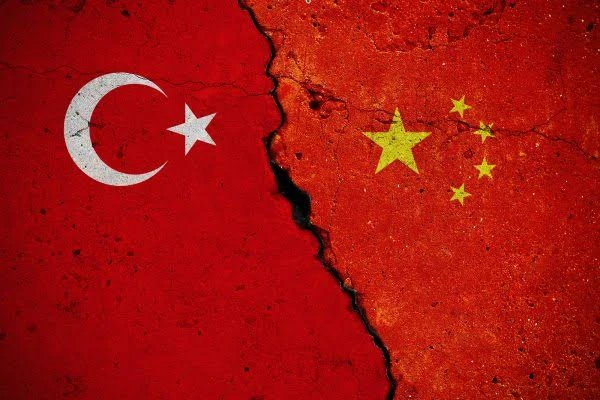
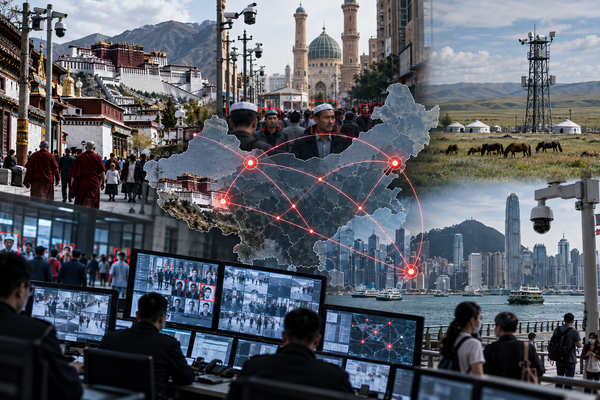
National security to one side, political repression to the other
A question of sovereignty and security
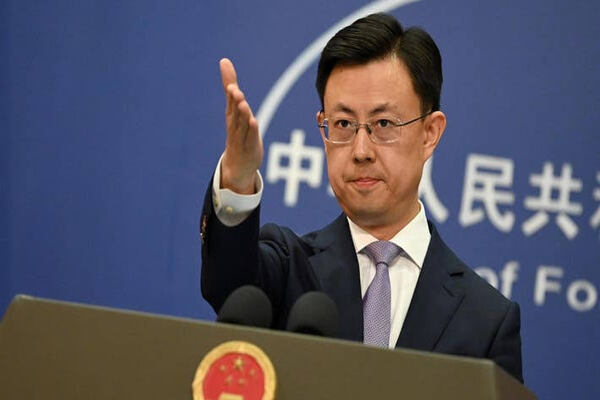
Hong Kong and Chinese authorities say Wong was not prosecuted simply for criticising the government. The case concerned alleged attempts to persuade foreign powers to sanction or take hostile measures against Hong Kong and China.
Political advocacy turned into a crime
Rights organisations and Wong’s supporters argue that meetings with overseas politicians, media interviews and international campaigning should be viewed as political expression rather than threats to national security.
Six questions that explain why Wong’s imprisonment matters
What exactly was Joshua Wong accused of?
Why was Wong already in prison?
Why did the 2019 protests matter so much?
What changed after the National Security Law?
What do Hong Kong authorities say?
What do international critics say?
The city surrounding Joshua Wong has changed as dramatically as his own life
Umbrellas, marches and mass mobilisation
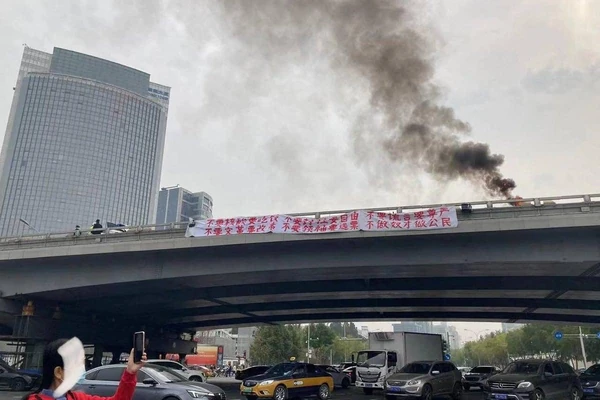
Hong Kong’s streets became internationally recognised arenas of political protest during the 2014 Umbrella Movement and the vast demonstrations of 2019.
A new national-security environment
Many prominent opposition activists have been jailed or moved overseas, political organisations have dissolved and national-security law now defines important limits on political activity.
Wong’s sentence is not only about the past. It helps define what comes next.
Foreign advocacy
Future cases will reveal how Hong Kong courts distinguish legitimate overseas political engagement from conduct considered collusion with foreign forces.
Political opposition
The extent to which organised opposition politics remains possible will be one of the most important tests of Hong Kong’s changing political system.
One country, two systems
The international debate will continue over whether stronger national-security controls can coexist with the political and civil freedoms historically associated with Hong Kong.
Joshua Wong’s journey connects nearly every major political turning point in Hong Kong since 2012. His case has therefore become more than the story of a single activist. It is now part of the argument over what political dissent, national security and “one country, two systems” mean in today’s Hong Kong.
Joshua Wong’s 10-year sentence ultimately matters because his personal story mirrors a much wider transformation in Hong Kong. He entered politics as a teenager campaigning against an education proposal, became an international face of the Umbrella Movement, participated in a generation of mass political mobilisation and eventually found himself prosecuted under a national-security system that did not exist when his activism began. Beijing and Hong Kong authorities describe that transformation as necessary to restore stability and defend sovereignty; critics see it as evidence that the city’s political freedoms have been fundamentally narrowed. The unresolved question is therefore larger than Joshua Wong himself: how much political disagreement can “one country, two systems” still accommodate?







Leave a Reply