

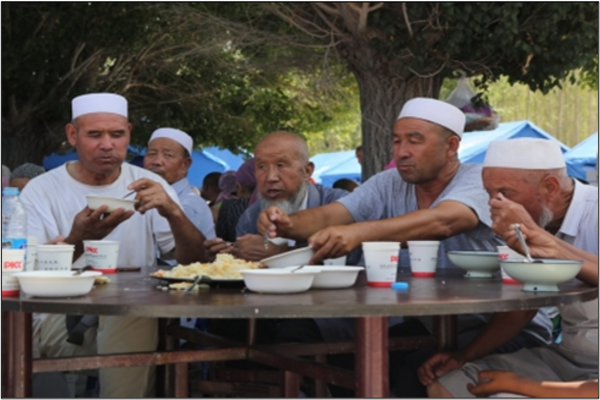
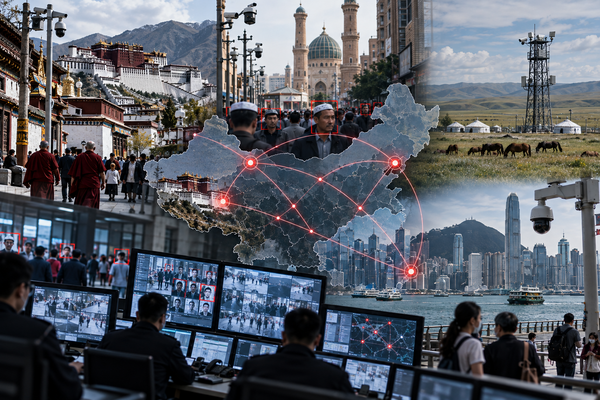
A recent report has drawn global attention to the situation of Uyghur Muslims in Xinjiang during the holy month of Ramadan. According to International Business Times, more than 500 Uyghurs were detained in the Hotan area for activities linked to religious observance, including fasting, gathering for prayer or possessing religious materials. Security measures reportedly intensified around mosques and Uyghur neighbourhoods, with residents subjected to inspections and heightened surveillance. Observers and rights groups described the situation as a serious restriction on religious freedom, particularly during Ramadan, a period traditionally devoted to prayer, charity and reflection. Human rights organizations argue that these measures are part of broader state policies targeting religious practices and cultural identity among Uyghur Muslims, reinforcing concerns about long-standing surveillance and detention programs in the region.
Analysts say the incident reflects a wider pattern of strict control in Xinjiang that has developed over the past decade. According to International Business Times, similar restrictions on religious practices have been documented repeatedly since 2017. Reports from Radio Free Asia and statements highlighted by the World Uyghur Congress point to individuals in Hotan being detained for observing religious traditions, including fasting during Ramadan. International organizations have also expressed concern about the region’s detention facilities, which Chinese authorities describe as vocational training centers designed to combat extremism and provide skills. Critics, however, argue that these centers function as internment camps, contributing to the erosion of cultural and religious freedoms in Uyghur communities.
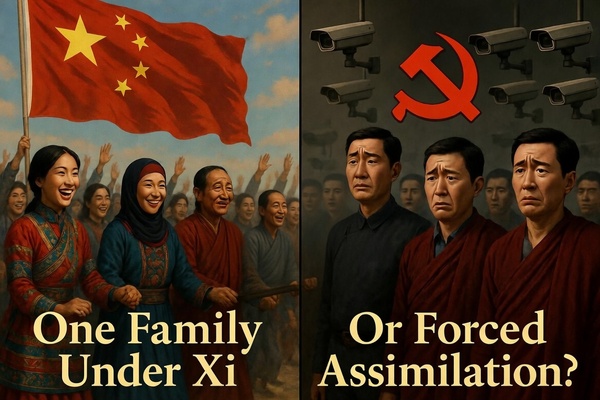
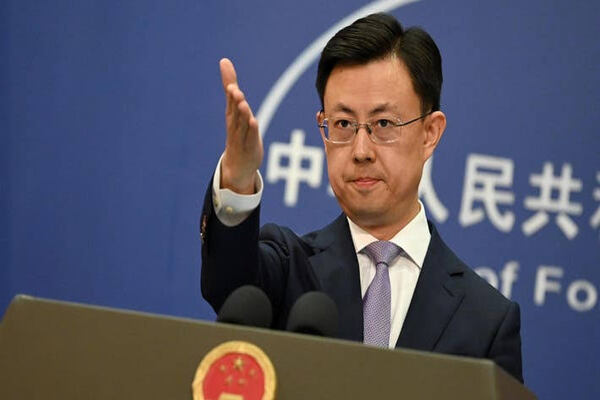
As scrutiny grows, BBC and The New York Times have highlighted how authorities have expanded surveillance systems, checkpoints and digital monitoring technologies across the region. Observers note that religious practices, including prayer gatherings, fasting and the display of religious symbols are closely monitored. Advocacy groups, including the World Uyghur Congress, argue that these measures are intended to reshape cultural and religious identity among Uyghurs. Chinese officials maintain that such policies are necessary to prevent extremism, ensure stability and promote development. These competing narratives have kept Xinjiang at the center of international debate over governance, religious freedom and minority protections. The issue has also attracted attention in diplomatic and policy circles. Investigations cited by BBC, The New York Times and Reuters analyze satellite imagery, leaked documents and testimonies from former detainees to better understand conditions in Xinjiang. Western governments and advocacy groups have raised these findings in international forums, including the United Nations, pressing for transparency and human rights protections. Beijing rejects allegations of abuse, asserting that its policies aim to combat extremism, maintain stability and support economic development. With competing narratives continuing to emerge, Xinjiang remains a focal point of global attention on human rights.
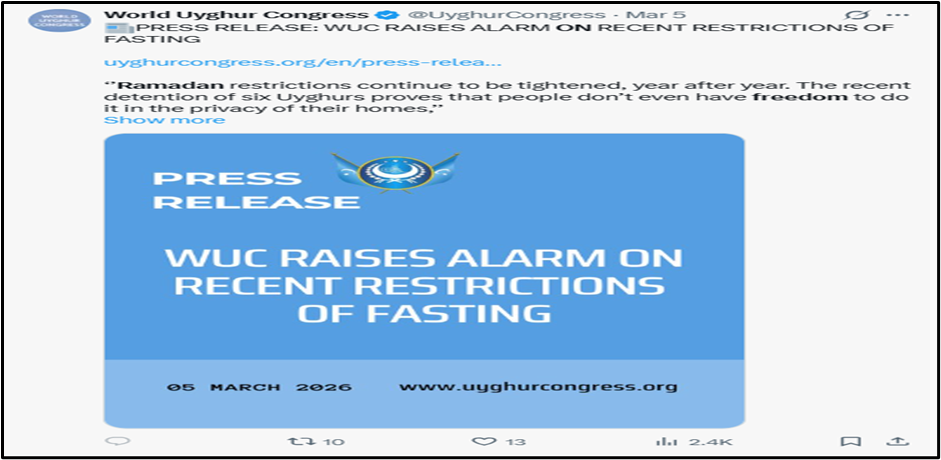
The reported detentions during Ramadan highlight the complex realities in Xinjiang, reflecting tensions between security policies and the protection of religious freedoms. While Chinese authorities defend their measures as essential for stability and countering extremism, critics argue that they restrict cultural and religious expression among Uyghur Muslims. The events underscore how governance, security and human rights are deeply intertwined in the region. Many observers believe that sustained international engagement, transparency and dialogue will be crucial in addressing ongoing concerns and ensuring that the rights of minority communities in China’s western region are protected.










Leave a Reply