

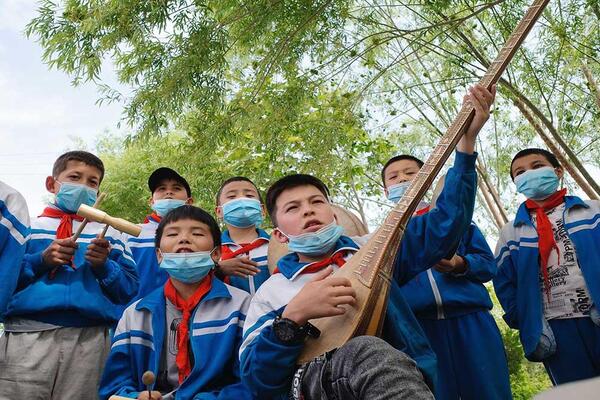
Far from their ancestral lands in Xinjiang, Uyghur youth in Europe are reconnecting with a culture under severe threat at home. In London, a three-day cultural event brought together 33 young Uyghurs to celebrate Meshrep, an ancient tradition that blends music, dance, poetry, storytelling, and community discussion.
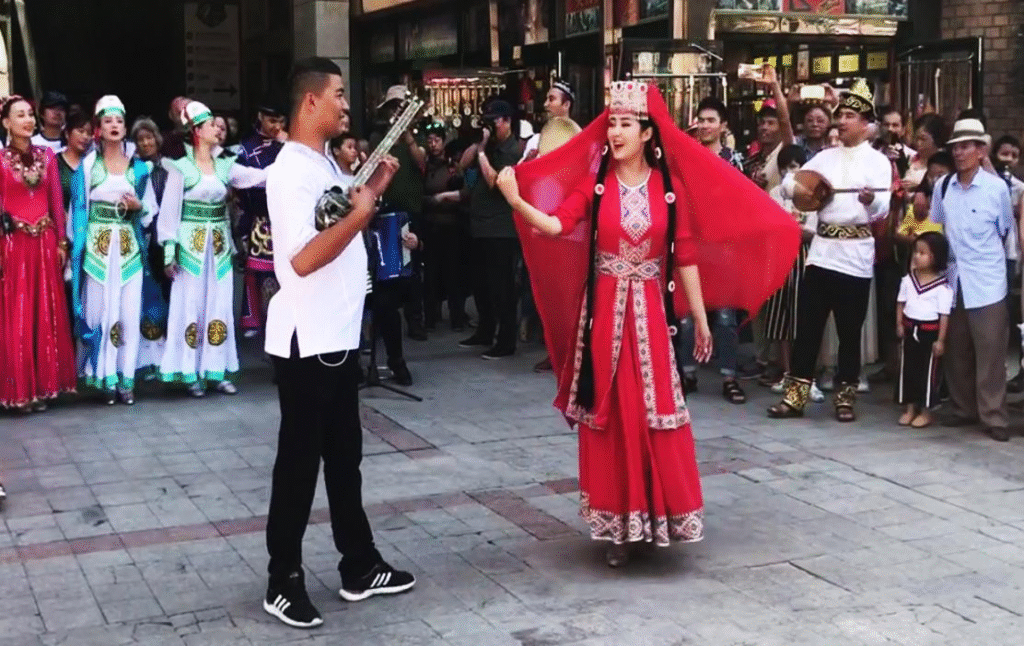
The event, co-organized by the Norway-based Uyghur Hjelp Foundation and the UK Uyghur Community, provided teenagers with hands-on experiences in music, art, and poetry, helping them reclaim their heritage and strengthen their sense of identity.
The Essence of Meshrep
Meshrep is not merely a gathering; it is the heartbeat of Uyghur society, historically serving as a forum for ethical discussion, social cohesion, and intergenerational teaching. Recognized by UNESCO in 2008 as an Intangible Cultural Heritage, Meshrep nurtures cultural continuity and community values.
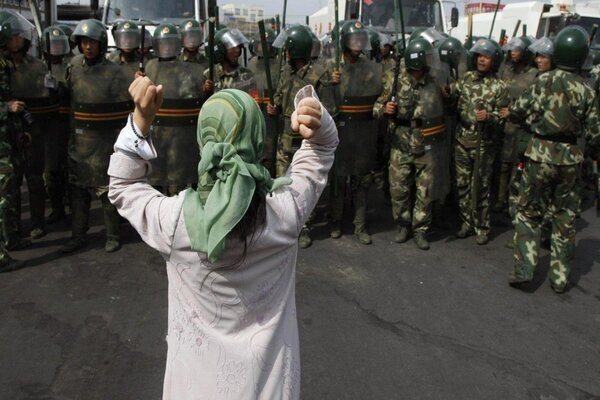
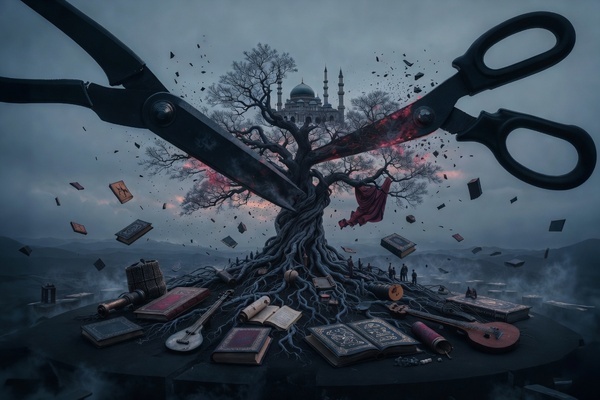
In modern China, however, the traditional Meshrep has been largely banned. Authorities replaced authentic cultural expressions with state-approved versions that emphasize patriotism and unity, while suppressing references to Uyghur history and religion. The London event offered youth a chance to experience Meshrep in its authentic form, free from political manipulation.
A Hands-On Cultural Revival
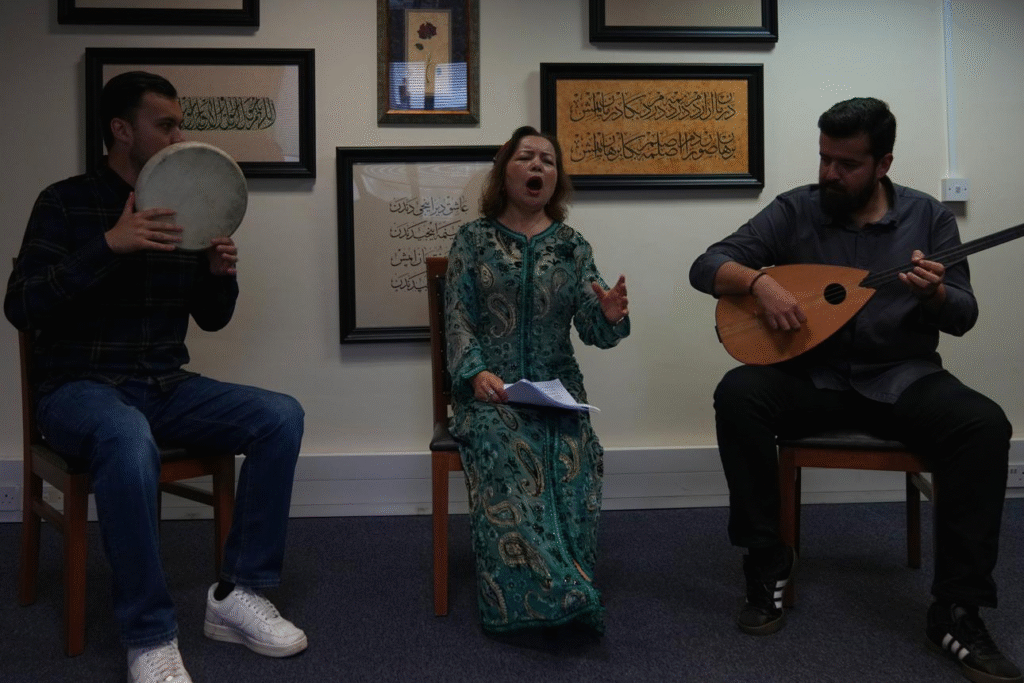
Participants learned to play traditional instruments such as the du̇tar and dap, tried Uyghur-style dance, and collaborated in poetry and art workshops. Music teachers like Mirkamil Turkel and Dilzat Turdi emphasized the historical depth and significance of Uyghur music, demonstrating rhythms and melodies that connect youth with their cultural roots.
“Music has a unique power—it opens minds and imagination,” Mirkamil Turkel told Bitter Winter. “Learning traditional instruments and songs deepens their connection to their identity.”
Identity Challenges for Diaspora Youth
Many Uyghur teenagers born outside China struggle to connect with their cultural heritage. They attend British schools, speak English fluently, and participate in local society. Yet their family traditions and language remain integral to their identity.
Mahire Aisaeva, head of the UK Uyghur Community, explained that this dual identity can be challenging:
“Sometimes they feel they do not fully belong to either culture. Some cannot speak Uyghur well or know little about our traditions. This can make them feel sad or lost.”
The Meshrep event helps bridge this gap, allowing youth to explore their heritage actively rather than passively.
Preserving Culture Amid Suppression
In Xinjiang, spontaneous cultural gatherings are criminalized, and expressions of Uyghur heritage are heavily censored. Traditional Meshrep gatherings were often punished as threats to state values.
By contrast, diaspora communities in Europe have the freedom to organize authentic cultural events, providing a space where youth can celebrate, experiment, and learn. Such programs are essential to prevent the erosion of Uyghur identity across generations.
Learning Through Play and Collaboration
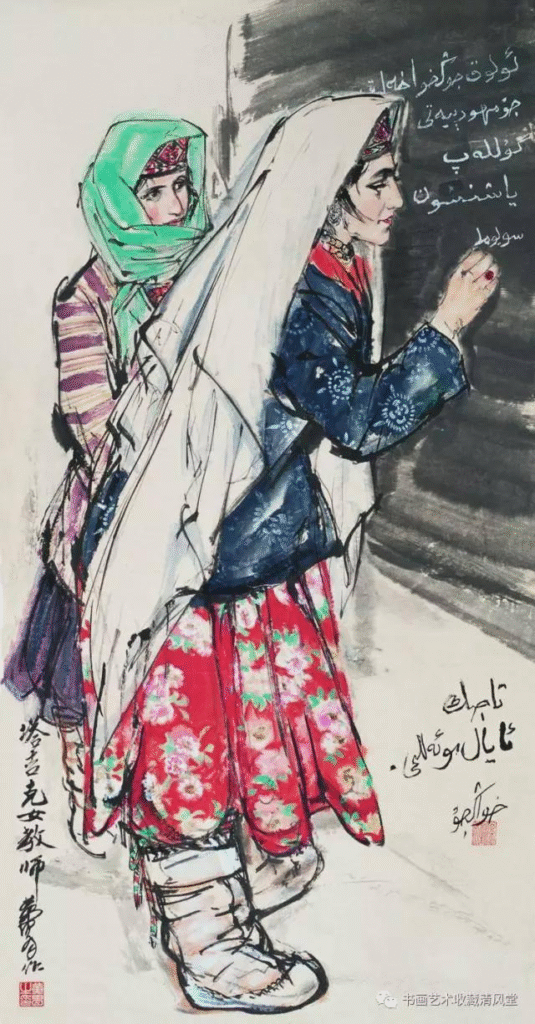
The London event integrated fun, interactive methods to teach culture. Teenagers experimented with clothing from different historical periods, collaborated in group poetry projects, and participated in creative workshops.
These activities encouraged teamwork and communication while fostering a deeper appreciation for Uyghur history. The hands-on approach proved far more effective than traditional weekend schools, which many teenagers avoid after the age of 12.
Building Community Pride
Founder of the Hjelp Foundation, Abduweli Ayup, described the program as an opportunity to build friendships while instilling pride in being Uyghur.
“We really want to instill a pride in being Uyghur and let them enjoy their culture.”
The initiative has been running for four years, consistently helping young people understand Uyghur life, music, and arts — forming a bridge between diaspora youth and their homeland.
Music: A Language of Identity
Music played a pivotal role in the event. Students learned rhythms and melodies that had survived centuries of upheaval, allowing them to experience their culture physically and emotionally.
Mirkamil Turkel emphasized that mastering these instruments connects youth to history, giving them the confidence to express their identity even in foreign environments.
Poetry and Storytelling: Voices of Heritage
Uyghur poetry, an integral part of the Meshrep, was another highlight. Teenagers wrote their own verses, exploring themes of identity, history, and hope.
Poetry sessions helped them articulate feelings that might otherwise remain unspoken. This creative freedom reinforces cultural continuity, empowering youth to carry traditions forward.
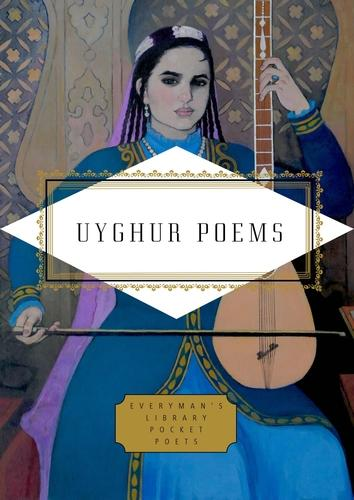
The Future of Uyghur Culture Abroad
Events like London’s Meshrep program are more than cultural celebrations — they are acts of resilience. Diaspora youth are becoming custodians of traditions that face suppression at home, ensuring that Uyghur music, poetry, dance, and art remain vibrant for future generations.
As participants grow, they carry with them the knowledge, skills, and pride needed to keep their identity alive, even thousands of kilometers away from their homeland.
A Message of Hope
For Uyghur youth in the diaspora, cultural identity is not a relic of the past; it is a living, evolving force. By embracing Meshrep and other traditional arts, they ensure that their language, music, and stories continue to thrive.
These events demonstrate that even in exile, culture cannot be silenced. The London Meshrep proves that with community support, creativity, and dedication, the flame of Uyghur identity will continue to burn brightly.
The London Meshrep program exemplifies how diaspora communities can preserve endangered cultures, teaching younger generations to value and celebrate their identity. Music, poetry, art, and hands-on activities are more than hobbies- they are lifelines connecting youth to their heritage, ensuring that Uyghur traditions endure in a globalized world.








Leave a Reply