

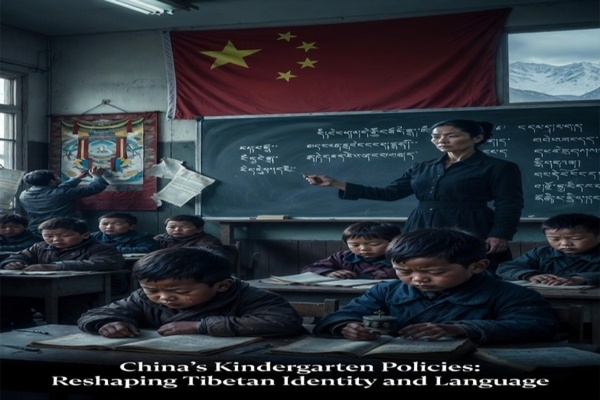
In recent years, China has implemented sweeping changes to the education system, including policies that significantly impact Tibetan children, especially at the kindergarten level. According to a new 72-page report by Human Rights Watch (HRW), China’s kindergarten policies have become a front line in the ongoing battle over language loss and cultural assimilation for Tibetans. These policies, which target the formative years of a child’s development, are reshaping not only how Tibetan children learn but also their connection to their cultural heritage, language, and identity.
The Rise of Mandarin in Tibetan Schools
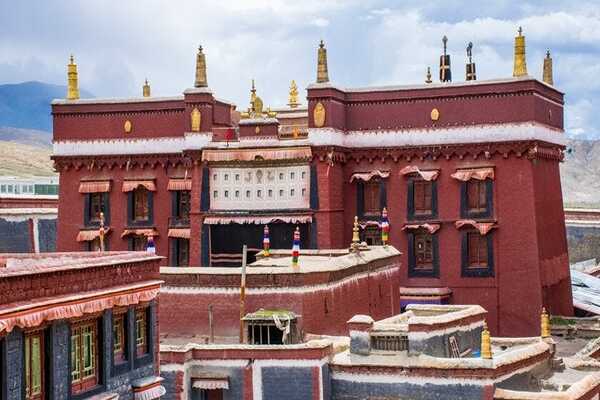
Tibet’s centuries-old Tibetan culture, language, and traditions have long been sources of pride for the Tibetan people. However, over the past few decades, China’s central government has systematically pushed for Mandarin Chinese to dominate all areas of life, including education. While this policy has been implemented in various parts of China, it has taken on a particularly aggressive form in Tibetan regions.
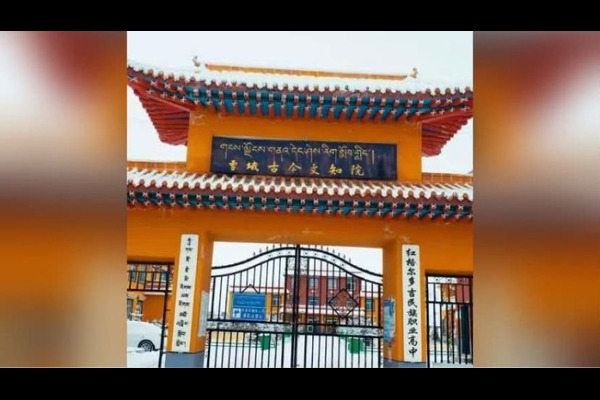
Kindergartens, as the foundation of a child’s educational journey, have become a critical battlefield. According to the HRW report, the use of Tibetan language in early childhood education is being steadily eroded in favor of Mandarin Chinese. In many kindergartens across Tibet, Tibetan language instruction is either greatly reduced or completely eliminated. This shift is having profound effects on how Tibetan children connect to their language, their culture, and ultimately, their identity.
Language and Cultural Loss in the Early Years
Tibetan language is more than just a means of communication; it is a cornerstone of Tibetan culture and identity. The HRW report highlights how the loss of Tibetan language in early childhood education has far-reaching consequences, particularly in how children understand their own culture. As children are taught primarily in Mandarin, they not only lose the ability to speak, read, and write in their native language, but they also become distanced from their cultural roots.
For Tibetan children, learning to speak Tibetan is a means of connecting to their heritage, religious practices, and traditions. Many Tibetan families continue to teach their children Tibetan at home, despite the official push for Mandarin, but the limited use of Tibetan in educational settings means that these children are increasingly isolated from Tibetan cultural narratives and values in their formal learning environments.
The HRW report points out that even in areas where Tibetan is still spoken by the majority of the population, kindergartens are increasingly adopting Mandarin as the primary language of instruction. This linguistic shift diminishes the importance of Tibetan culture in the classroom, replacing it with the narratives and priorities of the Chinese state. This cultural erosion starts at an early age, shaping how children perceive themselves and their place in the world.
The Role of the State in Reshaping Tibetan Identity
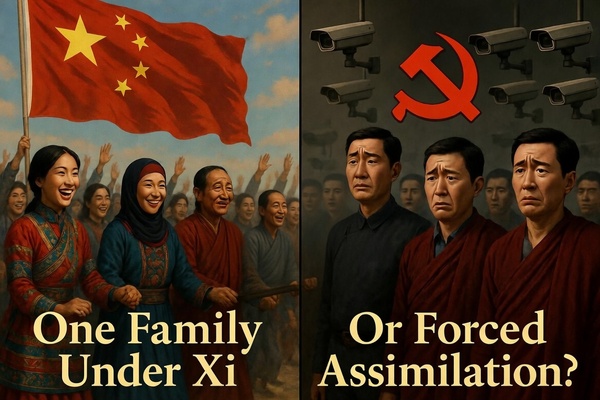
The Chinese government has long viewed the Tibet Autonomous Region (TAR) and other Tibetan-inhabited areas as a critical part of its broader national project. Beijing’s vision for Tibet is one of integration into the larger Chinese state, where ethnic minorities—especially Tibetans—are assimilated into the dominant Han Chinese culture.
The imposition of Mandarin as the primary language of instruction in Tibetan kindergartens is a key part of this strategy. While China claims that the promotion of Mandarin is meant to enhance national unity and improve opportunities for ethnic minorities, the result is often the erosion of local cultures and languages. For Tibetan children, this policy forces them to grow up in a system that prioritizes Chinese culture over Tibetan heritage, leaving them with fewer opportunities to learn about their own history, traditions, and ways of life.
In addition to language restrictions, the curriculum in Tibetan kindergartens is increasingly focused on Chinese history, politics, and ideology. Tibetan children are taught to view China’s history as their own, and the role of Tibet within this narrative is often minimized or misrepresented. This ideological indoctrination is intended to foster loyalty to the Chinese state, often at the expense of Tibetan identity and autonomy.
A Threat to Tibetan Language and Cultural Preservation
Language loss is a key marker of cultural assimilation, and Tibetans have seen this firsthand in the educational policies of China. As HRW outlines in their report, Tibet’s education system is being transformed to reflect China’s vision of national unity, where local languages like Tibetan are seen as obstacles to this unity.
The elimination of Tibetan as a medium of instruction in kindergartens accelerates the decline of the Tibetan language, making it harder for future generations to connect with their past. The Tibetan language is already at risk in urban centers, where Mandarin has become the dominant language, and rural areas are now facing similar challenges. With fewer children able to speak or understand Tibetan, the language’s survival is increasingly uncertain.
Cultural preservation efforts in Tibet are also being undermined. Tibetan culture, which is deeply tied to religion, ritual, and language, is gradually being erased from the educational system. Tibetan children are taught to speak Mandarin, but they are not provided with the tools to fully engage with their own cultural heritage. This loss of language and culture will have long-term effects on Tibetan communities, which rely on the transmission of traditional knowledge and practices to maintain their identity.
The International Response
The HRW report has drawn attention to the increasingly dire situation for Tibetan children in China’s education system. While China continues to promote its policies as necessary for national development, the international community has voiced concerns about the human rights implications of these measures. Tibetan advocates, human rights organizations, and governments around the world have condemned China’s efforts to suppress Tibetan culture and language, calling for greater protections for Tibet’s indigenous people.
Despite international criticism, China has continued its push to assimilate Tibet, and the situation for Tibetan children is growing increasingly bleak. With Tibetan language education under siege, cultural erosion is becoming a reality for Tibetans everywhere.
The Fight for Tibetan Identity and Language
The impact of China’s kindergarten policies on Tibetan children cannot be overstated. By systematically eroding the use of the Tibetan language in early childhood education, China is not just limiting Tibetans’ access to their own culture, but also altering their sense of self and their relationship to their heritage.
As the HRW report suggests, this is not just a language issue; it is a question of cultural survival. The Tibetan people’s ability to maintain their identity, traditions, and language is at risk, and the international community must continue to advocate for the rights of Tibetan children to learn in their native language and preserve their cultural heritage. The struggle for Tibet’s language and culture is not just a fight for the past—it is a fight for the future of Tibet and its people.








Leave a Reply