

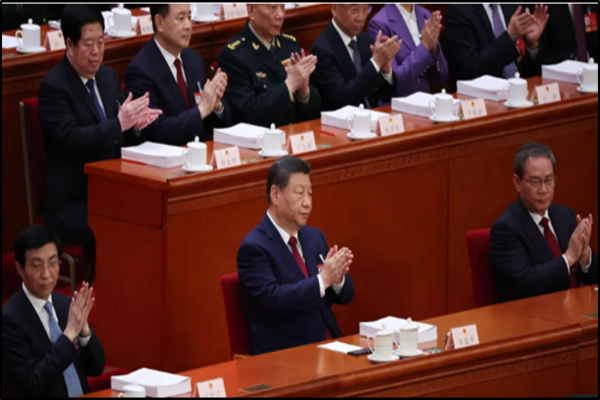
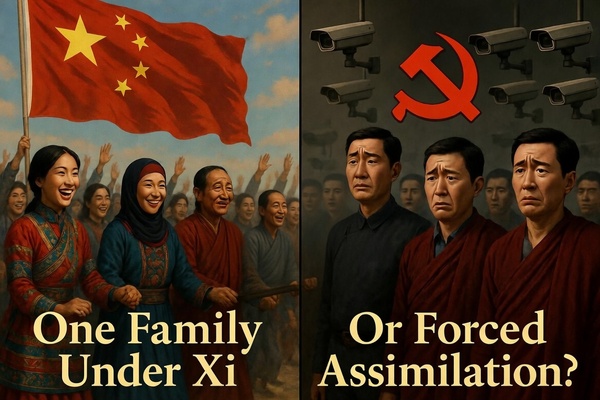
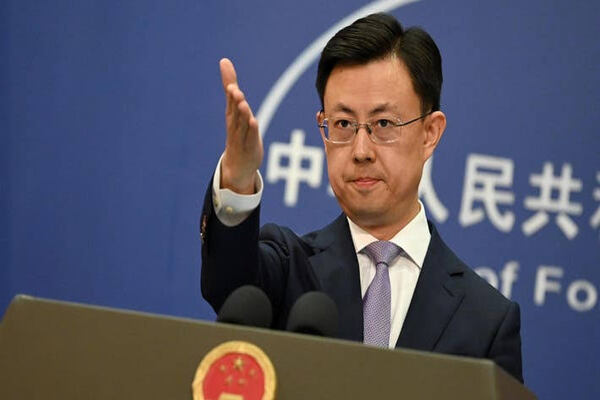
China’s leaders claim a new “ethnic unity” law will bring harmony and modernisation. In reality, it is designed to speed up the forced assimilation of Uyghurs, Tibetans, Mongolians, Hui Muslims and other minorities into a single Han Chinese identity. By weakening minority languages, tightening political control, and reshaping family and religious life, the law turns “unity” into a weapon against diversity. It does not protect vulnerable communities; it legitimises their systematic erasure under the banner of national progress.
According to bbc.com, for years, Beijing has been accused of attacking the identities of these groups instead of respecting their rights. Under Xi Jinping, this pressure has only grown. He pushes the “Sinicisation” of religion, meaning all faiths must change to match what the Communist Party calls “Chinese culture”. Any tradition, belief or language that seems too independent is treated as a threat, not as part of China’s diversity.
This new law takes earlier harsh policies and locks them into a permanent legal framework. It downgrades minority languages in schools and public life, making Mandarin the only real language of opportunity. Children in Tibet, Xinjiang and Inner Mongolia are told to learn and think in Mandarin, while their own languages are pushed into the private, “unsafe” corners of life. Over time, this kills languages not by open bans, but by starving them of status and space.
The law also reaches into families. Parents are ordered to “educate and guide minors to love the Chinese Communist Party”. This turns loyalty to the Party into a required part of childhood, not a choice. It encourages intermarriage between Han Chinese and minorities, and bans any “interference” in such marriages. On paper this sounds like equality, but in practice it gives the state an excuse to attack religious or community leaders who advise against such unions. It is another way to weaken group identity and slowly absorb minorities into the Han majority.
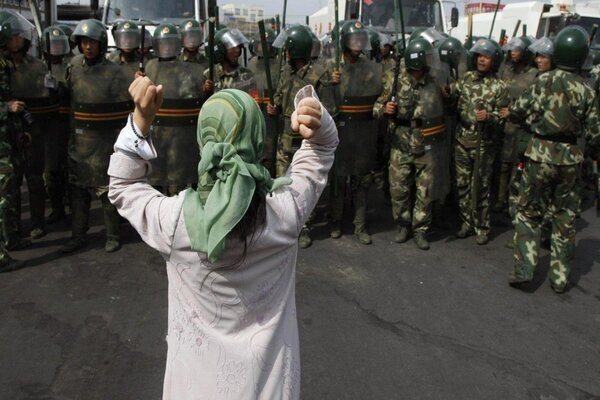
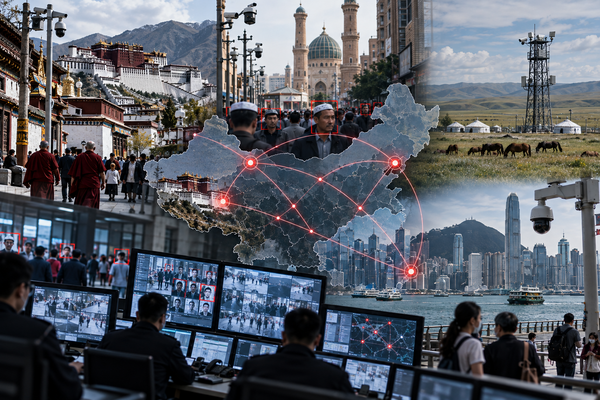
Beijing justifies all this by pointing to past unrest. It cites the 2008 Tibetan uprising, clashes in Xinjiang, and attacks involving Uyghur suspects as proof that strong control is needed. But instead of addressing real grievances lack of freedom, discrimination, land theft, religious repression the government uses these events to expand punishment and surveillance. The message is clear: any anger at injustice will be treated as “separatism” and crushed.
In Xinjiang, over a million Uyghurs and other Turkic Muslims are believed to have been sent to “re-education” camps. There they face political indoctrination, restrictions on religious practice, and deep intrusions into their private lives. Mosques have been closed or demolished, men are pressured to shave beards and women are told what they can wear. In Tibet, monasteries are tightly controlled, children cannot study Buddhist texts and anyone who shows loyalty to the Dalai Lama risks punishment. These are not policies of “unity”; they are policies of erasure.
The new law will make it even easier for officials to justify attacks on culture and faith. It bans any act that “damages ethnic unity” without clearly defining what that means. This vagueness is deliberate. It allows local authorities to label almost any criticism, peaceful protest or independent religious activity as a crime. Speaking your language, teaching your history or defending your land can be painted as “splitting the nation”.
China’s rulers also have strategic reasons. Minority homelands like Tibet, Xinjiang and Inner Mongolia sit on huge mineral deposits, key farmland, and vital borders. They link China to Central Asia, South Asia and beyond. By weakening local identities and flooding these regions with Han settlers, the Party tightens its grip on land and resources. Incentives for Han people to move to Lhasa or Urumqi, and policies that favour them in jobs and business, change the population balance and drown out local voices.
Supporters of the law say it will “integrate” minority areas into China’s development. But the kind of development they offer often benefits the state and big companies, not local communities. Highways, railways and factories are built on minority lands while those who live there lose language rights, religious freedom and control over their resources. “Unity” becomes a code word for obedience; “progress” becomes a tool to silence critics.
It is almost impossible now to openly ask Tibetans, Uyghurs or Mongolians inside China what they think of this law. Anyone who speaks against it could be jailed for “separatism”. Exiled communities and rights groups, however, are sounding the alarm. They see the law not as a shield for minorities, but as a weapon against them. It cements an ideology that there is only one acceptable identity the Party-approved Chinese identity and that all others must be cut down to fit.
China did not need a new law to control these regions; it already holds enormous power. But by turning its assimilation drive into “basic law”, it sends a chilling signal: the assault on minority cultures is not a temporary campaign; it is the long-term direction of the state. This is why many view the “ethnic unity” law not as a promise of harmony, but as an official stamp on the slow destruction of some of the most distinct and ancient cultures within China’s borders.










Leave a Reply