

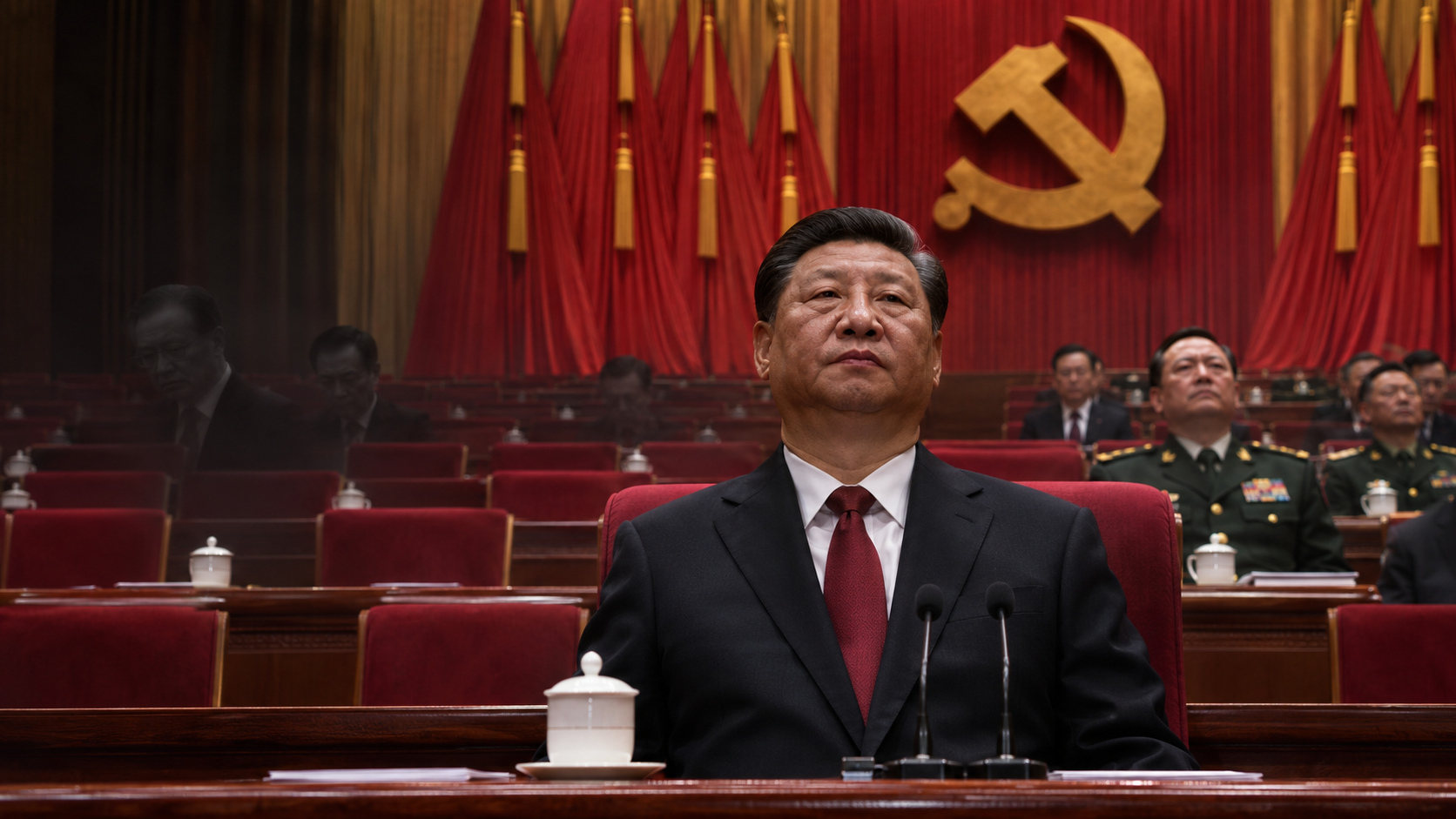
Political Loyalty Over Institutional Stability
China’s unprecedented purge of senior Communist Party and military officials raises serious questions about the political direction of the country under President Xi Jinping. Although Beijing presents the campaign as an effort to eliminate corruption, its expanding scope increasingly suggests a broader objective: consolidating personal authority, enforcing political loyalty, and strengthening centralised control ahead of the Communist Party’s 21st National Congress in 2027. The removal of influential political leaders, military commanders, and senior technocrats indicates that the campaign is no longer simply about administrative accountability but also about reshaping China’s power structure around Xi.
Beyond Anti-Corruption: The Politics of Loyalty
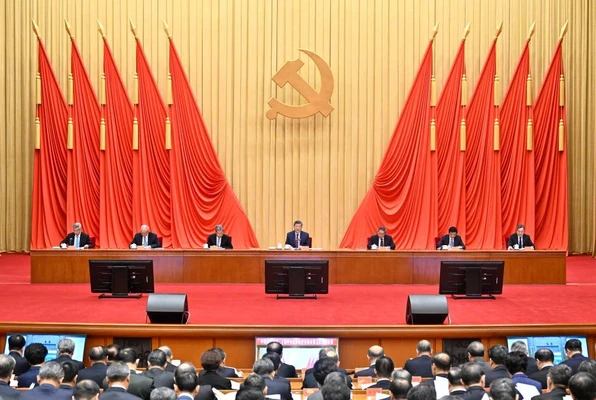
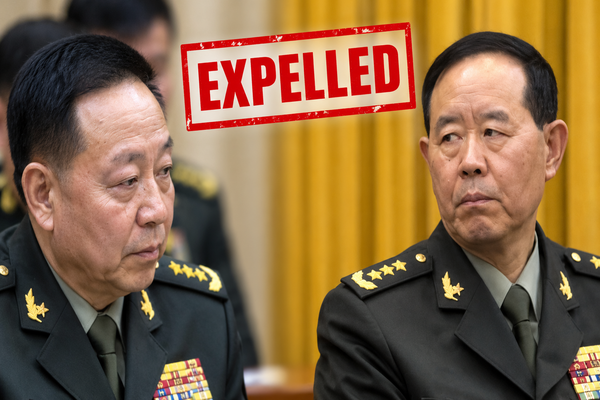
The scale of the latest purge is unprecedented. In 2022, China’s Communist Party appointed 376 members to its Central Committee, but only 279 attended the October 2026 plenum. During the meeting, 33 officials were formally expelled, including former Politburo members Ma Xingrui and General Zhang Youxia, former diplomatic chief Liu Jianchao, and 16 military generals. These removals suggest an extensive political restructuring within China’s governing establishment. Corruption has undoubtedly been a persistent challenge in China. Since assuming power in 2012, Xi Jinping has pursued a nationwide anti-corruption campaign targeting both senior officials and lower-level bureaucrats. The initiative initially received considerable public support, exposing bribery, patronage networks, and abuses of administrative authority. However, despite more than 7.2 million disciplinary punishments since 2012, corruption remains a significant governance challenge. China’s Transparency International Corruption Perceptions Index score remained unchanged at 43 in 2025.More importantly, the campaign increasingly targets bureaucratic inaction, excessive caution, and officials accused of failing to implement central directives. This creates a contradiction: officials are expected to demonstrate initiative but simultaneously risk punishment for decisions that may be politically unacceptable. Consequently, anti-corruption enforcement is becoming an instrument of political discipline, demanding compliance rather than merely ensuring accountability.
Military Purges and the Consolidation of Power
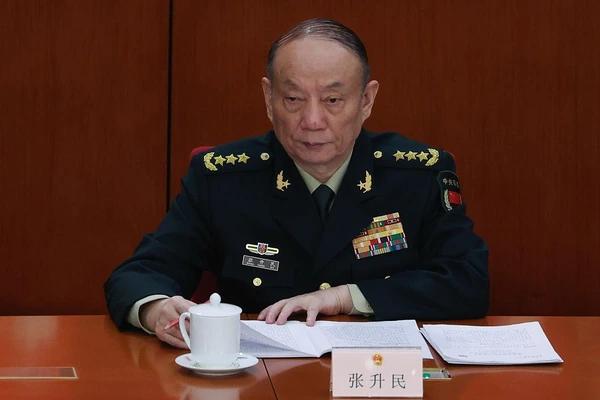
The most consequential dimension of this campaign is unfolding within the People’s Liberation Army (PLA). The removal of senior commanders, including Zhang Youxia, demonstrates that even officials personally promoted under Xi’s leadership are vulnerable. According to the Centre for Strategic and International Studies (CSIS), dozens of senior military officers have been removed or reported missing since 2022.The reported reduction of the Central Military Commission to just two members, Xi Jinping and General Zhang Shengmin, further illustrates the extent of this restructuring. Although corruption in military procurement and defence institutions is a legitimate concern, removing experienced commanders raises questions about institutional stability, military professionalism, and strategic decision-making. When political loyalty becomes more important than professional competence, the military risks losing institutional confidence and operational continuity.
The 2027 Congress and China’s Political Future
The timing of these purges is equally significant. With the 21st National Congress scheduled for the second half of 2027, Xi has an opportunity to reshape the party’s leadership before the next major political transition. Removing officials considered unreliable and strengthening the position of loyalists could further consolidate his influence over the party, state, and military. However, excessive centralisation carries risks. Officials may increasingly prioritise political survival over effective governance, avoid independent decisions, and wait for instructions from the central leadership. At a time when China’s economy is facing slowing growth and complex domestic challenges, such administrative caution could undermine policymaking and institutional efficiency.
Regional Implications for Afghanistan and South Asia
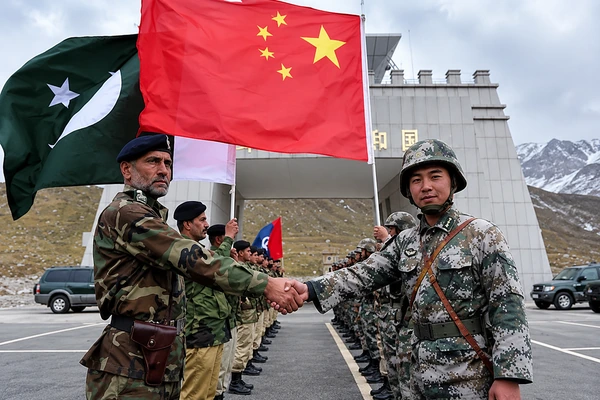
These developments also have implications for Afghanistan and its neighbouring countries. The removal of Ma Xingrui, former party chief of Xinjiang, and reported purges within the Western Theatre Command could affect the continuity of China’s regional security and diplomatic engagement. Beijing has expanded its involvement in Afghanistan, maintained relations with the Taliban, facilitated discussions between Pakistan and Afghanistan, and pursued connectivity through the Wakhan Corridor. These initiatives require experienced officials capable of managing sensitive diplomatic, security, and economic relationships. However, the removal of senior officials responsible for Xinjiang and China’s western frontier may make their successors more dependent on instructions from Beijing, potentially slowing regional decision-making and reducing diplomatic flexibility.
Control Above Accountability
China’s record-breaking purge should not be understood solely as an anti-corruption exercise. While corruption remains a genuine governance challenge, the removal of senior political leaders, military commanders, and even Xi-appointed loyalists suggests a broader effort to consolidate personal authority. The growing emphasis on obedience, political discipline, and loyalty indicates that the campaign is increasingly shaping the party around the leadership of Xi Jinping.
Ultimately, the question is not simply how many officials have been punished, but what kind of political system is emerging from these purges. A system that prioritises loyalty over competence may strengthen Xi’s immediate authority but weaken institutional confidence, administrative initiative, and military professionalism. As China approaches the 2027 party congress, the empty seats in the Central Committee symbolise not merely a cleaner party, but a political establishment increasingly rebuilt around one leader: Xi Jinping.







Leave a Reply