

Great-Power Rivalry, Economic Shifts and India’s Strategic Opportunities
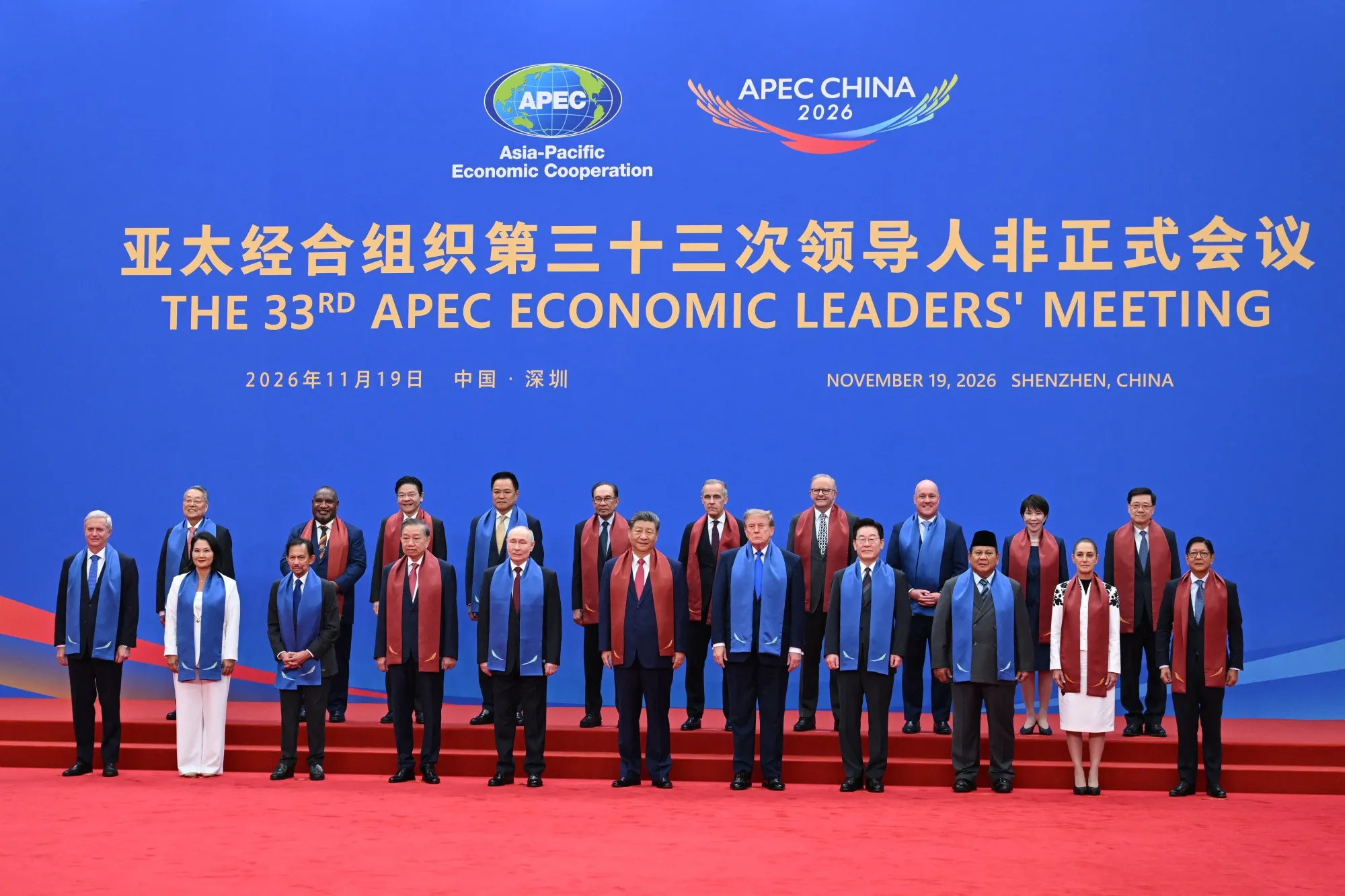
The 2026 Asia-Pacific Economic Cooperation (APEC) Summit in Shenzhen, China, comes at a critical juncture in international relations, when geopolitical rivalries, trade protectionism, technological competition and economic uncertainties are reshaping the global order. The proposed historic trilateral meeting between US President Donald Trump, Chinese President Xi Jinping and Russian President Vladimir Putin, alongside the bilateral Trump-Xi talks, has placed the summit at the centre of international attention.
China, hosting APEC for the first time in 12 years, seeks to project itself as a champion of free trade, multilateralism and regional economic integration. However, the summit raises a fundamental question: Can economic cooperation survive in an increasingly fragmented world order? For India, despite not being an APEC member, the developments carry significant implications for its trade, manufacturing ambitions and Indo-Pacific strategy.
APEC 2026: Beyond Economic Cooperation
Established in 1989, APEC comprises 21 economies, representing approximately 60 per cent of global GDP and nearly half of global trade. Its consensus-based and voluntary framework provides a platform for promoting regional trade, investment and economic cooperation. Under the theme “Building an Asia-Pacific Community to Prosper Together”, China’s priorities include openness, innovation and cooperation. The summit is expected to advance discussions on the Shenzhen Declaration, artificial intelligence, the digital economy and the proposed Free Trade Area of the Asia-Pacific (FTAAP). The FTAAP, first endorsed in 2006, aims to establish a broader regional free-trade framework. Its progress could significantly influence future trade relations across the Asia-Pacific.
Trump-Xi-Putin: The Geopolitical Dimension
The proposed trilateral meeting between Trump, Xi and Putin is among the most closely watched developments of the summit. The Trump-Xi bilateral engagement is expected to focus on trade tariffs, semiconductor restrictions, artificial intelligence, rare-earth minerals and regional security. Stable relations between Washington and Beijing are essential for global economic predictability, given their influence over international trade and supply chains. The proposed trilateral interaction also brings nuclear security, the Russia-Ukraine conflict and broader geopolitical tensions into focus. However, diplomatic engagement should not automatically be interpreted as an agreement. The three countries have different strategic priorities and translating dialogue into concrete outcomes will remain challenging. The summit therefore reflects an important feature of contemporary international relations: economic diplomacy and geopolitical competition increasingly operate alongside each other.
China’s Strategic Objectives
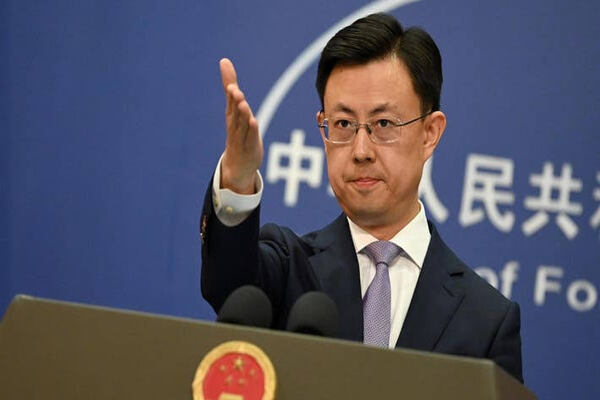
Through the Shenzhen summit, China aims to strengthen its global position by promoting free trade, advancing cooperation in AI and digital technologies, and expanding its diplomatic influence through engagement with major powers. However, persistent differences over trade practices, technology restrictions and regional security may limit consensus and constrain the summit’s ability to achieve concrete outcomes.
India and APEC 2026: Strategic Implications
Although India is not among APEC’s 21 member economies, the summit has considerable relevance to its economic and geopolitical interests. India applied for APEC membership in 1991, but its inclusion has remained pending amid restrictions on membership expansion. Its absence limits direct participation in a major platform shaping Asia-Pacific economic cooperation.
First, manufacturing and supply-chain diversification: As companies seek to diversify production networks, India has opportunities in electronics, semiconductors, pharmaceuticals, automobiles and renewable energy. The challenge is to improve infrastructure, logistics and regulatory efficiency to attract greater investment.
Second, Indo-Pacific connectivity: India’s Act East Policy and Indo-Pacific vision complement regional cooperation with ASEAN, Japan, Australia and South Korea. Greater economic integration could create opportunities in maritime connectivity, digital infrastructure and regional trade.
Third, technological cooperation: APEC’s focus on AI and the digital economy is relevant to India’s ambitions in semiconductor manufacturing, digital public infrastructure and technological innovation. Partnerships with advanced economies could strengthen India’s technological capabilities.
Fourth, strategic autonomy: China’s growing regional economic influence presents both opportunities and challenges. India must balance economic engagement with China, strategic preparedness and stronger partnerships with other Indo-Pacific countries.
Fifth, APEC membership: India should continue diplomatic engagement with existing members to build support for its eventual inclusion. Membership could provide greater institutional participation in regional trade, investment and technology discussions.
Challenges and Future Outlook
Despite its economic significance, APEC faces several limitations. Great-power rivalry, tariff disputes, technological restrictions and differences between developed and developing economies could undermine regional cooperation. Moreover, its voluntary commitments lack strong enforcement mechanisms. The future of the Shenzhen summit will depend on whether leaders can translate diplomatic discussions into practical outcomes, particularly in trade liberalisation, supply-chain resilience, technological cooperation and regional security. For India, the priority should be to strengthen domestic manufacturing, deepen ASEAN engagement, expand technology partnerships and integrate more effectively into Indo-Pacific supply chains.
The 2026 Shenzhen APEC Summit represents more than a gathering of 21 economies; it reflects the changing relationship between economic interdependence and geopolitical competition. The Trump-Xi-Putin engagement highlights the importance of dialogue among major powers, while discussions on trade, AI and regional integration could shape the future economic architecture of the Asia-Pacific. For India, the summit is both a strategic challenge and an opportunity. Although excluded from APEC’s institutional framework, India cannot remain disconnected from developments shaping its immediate economic and strategic neighbourhood.
India’s long-term objective should be to transform itself from an important Indo-Pacific stakeholder into an influential contributor to the region’s economic architecture. Ultimately, the emerging global order will be shaped not only by military power, but also by manufacturing strength, technological capabilities, trade networks and strategic partnerships.









Leave a Reply