

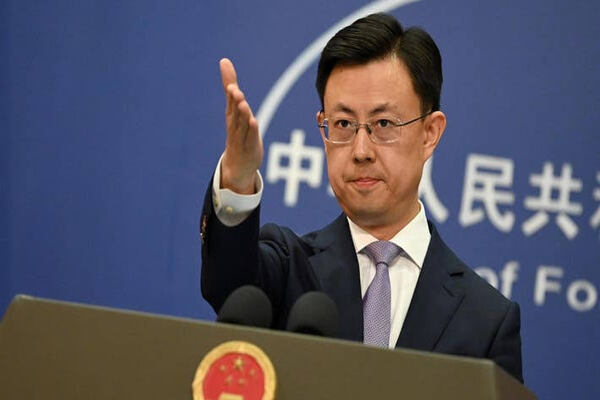
Xi Jinping used Sun Yat-sen’s 160th birth anniversary on November 12 to renew Beijing’s claim over Taiwan. He praised Sun as a national hero and pioneer of China’s democratic revolution. Xi again called for “complete reunification” with Taiwan. He said Beijing still prefers peaceful reunification under “one country, two systems.” He also promised to consider Taiwan’s realities, interests and public feelings. Yet he left no room for Taiwanese independence and repeated that reunification must ultimately happen.
That message clashes with China’s growing military pressure around Taiwan. Chinese aircraft and warships now operate around the island with increasing frequency. Coast-guard vessels also patrol waters that Beijing claims as its own. Recent exercises have rehearsed encirclement, blockade and control of key sea routes. China has also expanded activity east of Taiwan into the Western Pacific. This creates a clear contradiction in China’s Taiwan policy: Beijing speaks about peace while steadily building the power to isolate and coerce the island.
Xi Says “Peaceful Reunification.” China Keeps Practising Encirclement.
At a ceremony honoring Sun Yat-sen, Xi Jinping again promised peaceful reunification and consideration for Taiwanese interests. Yet military and coast-guard pressure around Taiwan tells a harder story. Beijing is steadily developing the power to isolate and coerce the island without immediately launching an invasion.
Sun Yat-sen became the stage for Xi’s reunification message
Xi used the 160th anniversary of Sun Yat-sen’s birth to connect revolutionary history with Beijing’s claim over Taiwan. He praised Sun as a national hero, patriot and pioneer of China’s democratic revolution. Xi then described complete reunification as a historic mission and part of national rejuvenation.
Peaceful reunification
Xi said Beijing would pursue peaceful reunification under “one country, two systems.” He promised to consider Taiwan’s realities, interests and feelings. He also offered dialogue under the one-China principle and 1992 Consensus.
No space for independence
Xi also said Beijing would leave no room for any form of Taiwan independence. China has never renounced force. This tension between peaceful language and coercive power sits at the heart of Beijing’s policy.
Beijing presents reunification as a political destination. The PLA is developing ways to make refusal increasingly costly.
How China can build pressure around Taiwan without starting with an invasion
China’s exercises increasingly resemble rehearsals for controlling Taiwan’s air and sea approaches. The pressure no longer comes only from the west. Beijing is also increasing activity north, south and east of Taiwan.
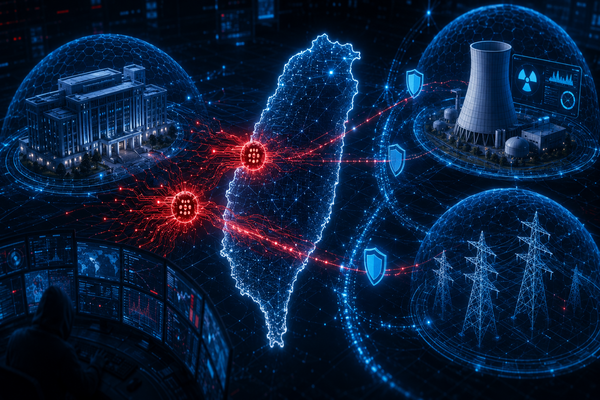
Beijing’s Taiwan strategy operates across five pressure systems
The military ring is only the most visible part. Beijing also uses coast-guard activity, economic leverage, diplomatic isolation and political messaging. Together, these tools can create pressure without immediately starting a war.
China does not need to begin with landing craft. It can first try to control Taiwan’s access to the outside world.
From routine patrols to blockade: how coercion could escalate
Analysts distinguish routine military pressure from quarantine and blockade scenarios. These stages are not predictions. They illustrate how China could increase coercion while trying to manage the risks of immediate war.
China is no longer signalling only across the Taiwan Strait
Taiwan’s defence minister says China is conducting anti-access and area-denial activity in the Western Pacific. Those exercises include naval formations and an aircraft-carrier group. A2AD operations seek to make intervention by outside forces harder.
Pressure from both sides
Operations east of Taiwan weaken the assumption that the Pacific side provides safe strategic depth. They could also complicate resupply and reinforcement.
This extends beyond Taiwan
The G7 has warned that Chinese activity east of Taiwan threatens regional stability, freedom of navigation and international shipping safety.
Military pressure can produce political effects without firing a shot
Normalize Chinese presence
Frequent military activity can weaken the idea that the Taiwan Strait contains a stable separation line.
Make sovereignty claims physical
Coast-guard and military patrols allow Beijing to behave as if it already holds enforcement rights around Taiwan.
Test international responses
Every exercise reveals how Taiwan, shipping companies, the United States, Japan and regional partners respond.
Increase psychological pressure
Encirclement imagery can make resistance appear dangerous while reinforcing Beijing’s claim that reunification is inevitable.
Xi’s preferred formula has little support inside Taiwan
Xi says Beijing will consider Taiwan’s interests and realities. Yet Taiwan’s public-opinion surveys show deep rejection of the political model he offers.
Both sides claim his legacy, but they tell different stories
Sun Yat-sen helped lead the revolution that ended imperial rule and created the Republic of China. Beijing presents him as a precursor to national reunification and Chinese rejuvenation. Taiwan still honors Sun, but its government accuses the Communist Party of using his legacy to promote opposition to independence and support for unification.
The warning signs may appear long before an invasion fleet
No-notice drills
Short-warning exercises make it harder for Taiwan to distinguish routine pressure from preparations for a serious crisis.
Coast-guard enforcement
Inspections and patrols could provide a gray-zone route toward quarantine without an immediate declaration of war.
Eastern operations
Carrier and naval activity east of Taiwan reveals whether Beijing can complicate outside intervention.
Port-focused exercises
Repeated activity near major ports can indicate continued preparation for blockade scenarios.
Legal claims
Chinese domestic regulations could provide Beijing with a legal narrative for controlling Taiwan-bound shipping.
Political messaging
Watch whether peaceful-unification rhetoric rises or falls alongside military pressure. The combination matters most.
Separate rhetoric, capability and intent
Does Xi’s speech mean China is preparing an immediate invasion?
Why might Beijing prefer quarantine or blockade pressure?
What do encirclement exercises achieve?
Why does Beijing emphasize peaceful reunification?
Why does Taiwan reject “one country, two systems”?
Sources used for this analysis
Primary and current reporting
Xi Jinping / official PRC transcript — November 12, 2026: speech marking Sun Yat-sen’s 160th birth anniversary.
Reuters — November 12, 2026: Xi’s reunification remarks and Taiwan’s response.
Taiwan Mainland Affairs Council: Sun Yat-sen commemoration warning and 2026 public-opinion surveys.
Taiwan Ministry of National Defense: PLA joint combat-readiness patrol reporting.
CSIS ChinaPower: public research on quarantine, blockade and encirclement scenarios.
Reuters — November 10–12, 2026: Western Pacific A2AD activity and G7 concern over Chinese operations east of Taiwan.
Beijing asks Taiwan to trust peaceful words while living inside a tightening ring of coercive power.
Xi’s Sun Yat-sen speech did not create a new Taiwan policy. It revealed the logic of the existing one. Beijing wants reunification to appear historically inevitable and politically reasonable. At the same time, China continues building the military and law-enforcement capabilities needed to increase the cost of refusing its terms.
Xi Jinping’s latest Taiwan message exposes the weakness in Beijing’s claim that reunification can remain purely peaceful. Taiwan already rejects “one country, two systems” by a wide margin. China therefore faces a political problem that military pressure cannot easily solve. More aircraft, ships and coast-guard patrols may increase fear, but they do not create democratic consent. Repeated encirclement drills may also make Beijing’s peaceful language less credible. Taiwan’s future will remain one of Asia’s most dangerous disputes while China combines offers of dialogue with growing coercive power. The real test is simple: can Beijing accept Taiwan saying no without surrounding the island until that choice becomes impossible?



Leave a Reply