

Navigating the tension between diplomatic ties with Beijing and the international obligation to protect vulnerable asylum seekers
Human Rights Watch (HRW) has urged Thailand not to deport Chinese dissidents and asylum seekers despite growing pressure from Beijing. Many of these individuals fled China to escape political persecution, religious repression and restrictions on free speech.
If returned, they risk detention, torture and unfair trials. The appeal highlights Thailand’s refugee policies and the broader challenge of balancing diplomatic ties with China against international human rights responsibilities
HRW’s Appeal
HRW emphasized the principle of non-refoulement, a cornerstone of international law that forbids sending refugees back to places where they face serious harm. Although Thailand has not signed the 1951 UN Refugee Convention, it is still bound by other human rights treaties that require protection for vulnerable individuals.
HRW warned that China has increasingly sought the return of dissidents, ethnic minorities, and religious believers who fled abroad. The organization urged Thailand to resist political pressure and prioritize human rights over trade or diplomatic considerations.
Chinese Dissidents at Risk
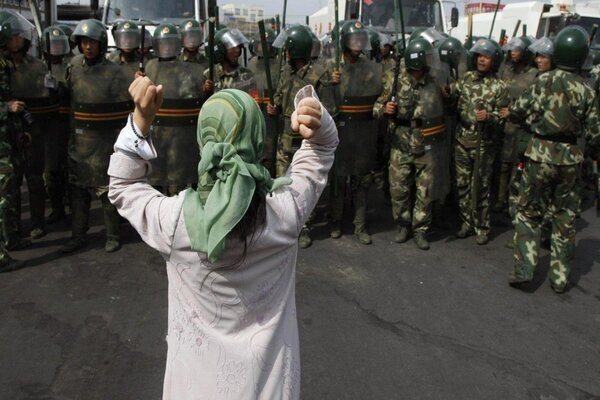
Many Chinese citizens leave their country after facing crackdowns on activism, religion, or criticism of government policies. Uyghur Muslims, Tibetan activists, pro-democracy campaigners and underground church members are among those who often seek refuge in Thailand.
If deported, they face prosecution under vague national security laws, prolonged detention, torture and denial of fair trials. Reports have documented enforced disappearances and restrictions on legal representation, underscoring the dangers of forced return.
Thailand’s Position
Thailand is a key transit country in Southeast Asia for refugees escaping conflict and repression. However, it has faced criticism for deporting asylum seekers despite warnings from international organizations. Thai authorities argue that deportation decisions follow domestic law and national security needs.
At the same time, Thailand must balance humanitarian concerns with its close relationship with China, one of its largest trading partners and a major investor. HRW insists that human rights standards should guide these decisions, not political or economic interests.
International Principles
The principle of non-refoulement is central to refugee and human rights law. The UN Refugee Agency (UNHCR) stresses that asylum seekers must have fair procedures before deportation.
Even countries that have not signed the Refugee Convention are expected to respect this principle under broader human rights obligations. Ensuring fair asylum reviews helps prevent wrongful deportations and protects vulnerable individuals from serious harm.
Global Concerns
The issue reflects a wider problem of transnational repression, where governments pressure others to detain or return dissidents abroad. HRW and other groups have documented cases of such practices across Asia.
They urge governments to strengthen refugee protections, cooperate with UNHCR, and ensure independent asylum reviews. The international community is also called upon to support host countries with humanitarian aid, legal expertise and resettlement opportunities.
Diplomatic Challenges
Thailand faces a difficult balancing act. Maintaining strong ties with China is vital for trade, tourism, and investment. Yet human rights advocates argue that protecting refugees demonstrates commitment to justice and international law.
Analysts warn that deportation decisions can affect Thailand’s global reputation and its standing in the international community. Upholding human rights, they argue, strengthens Thailand’s credibility and moral authority.
Why Refugee Protection Matters
Refugees often have no choice but to flee persecution, relying on other countries for safety. Governments are urged to establish transparent asylum systems, provide legal assistance, and work with humanitarian agencies to assess cases fairly.
Protecting refugees supports regional stability and reinforces values of dignity and compassion. Wrongful deportations not only harm individuals but also undermine international trust in human rights protections.
HRW’s appeal highlights the tension between Thailand’s diplomatic ties with China and its human rights obligations. Deporting Chinese dissidents without safeguards could expose them to abuse and weaken international protections.
Respecting non-refoulement, ensuring fair asylum procedures, and cooperating with humanitarian agencies are essential steps. Thailand’s decisions may influence regional refugee policies and demonstrate its commitment to protecting vulnerable people.
Ultimately, the debate underscores the need to balance national interests with universal human rights principles, reaffirming the importance of justice, dignity and compassion in global governance.














Leave a Reply