

China marked its 77th National Day on 1 October 2026 with flag-raising ceremonies, official receptions and messages promoting national unity, development and national rejuvenation. However, activists around the world also used the anniversary to challenge Beijing’s policies. In New Delhi, members of the Tibetan Youth Congress protested outside the Chinese Embassy, while police detained dozens of demonstrators. In Canada, activist groups planned demonstrations and Tibetan campaign events in Vancouver and Toronto. Only days earlier, Tibetans, Uyghurs, Hongkongers, Chinese dissidents and other activists gathered in Washington during President Xi Jinping’s visit to the United States. Protesters raised concerns about political imprisonment, religious freedom, cultural rights and Beijing’s policies in Tibet, Xinjiang and Hong Kong. While Beijing presented National Day as a celebration of China’s achievements and unity, these demonstrations showed how critics abroad are using the occasion to draw global attention to political and human-rights concerns.
China Celebrates, Protests Spread Abroad
Beijing marks 77 years of the People’s Republic with flags, ceremonies and messages of unity. In several cities outside China, activists are using the same moment to focus attention on Tibet, Xinjiang, Hong Kong, political prisoners and political freedoms.
China began its 77th National Day on 1 October 2026 with a formal flag-raising ceremony at Tiananmen Square. Chinese state media presented the anniversary as a celebration of the founding of the People’s Republic of China, national development and political continuity.
Yet outside China, the anniversary carries a different meaning for some communities. Tibetan campaigners, Uyghur activists, Hong Kong democracy advocates and Chinese political dissidents have used National Day — and recent overseas visits by Chinese leaders — to draw attention to grievances concerning Beijing’s policies.

One anniversary, two very different messages
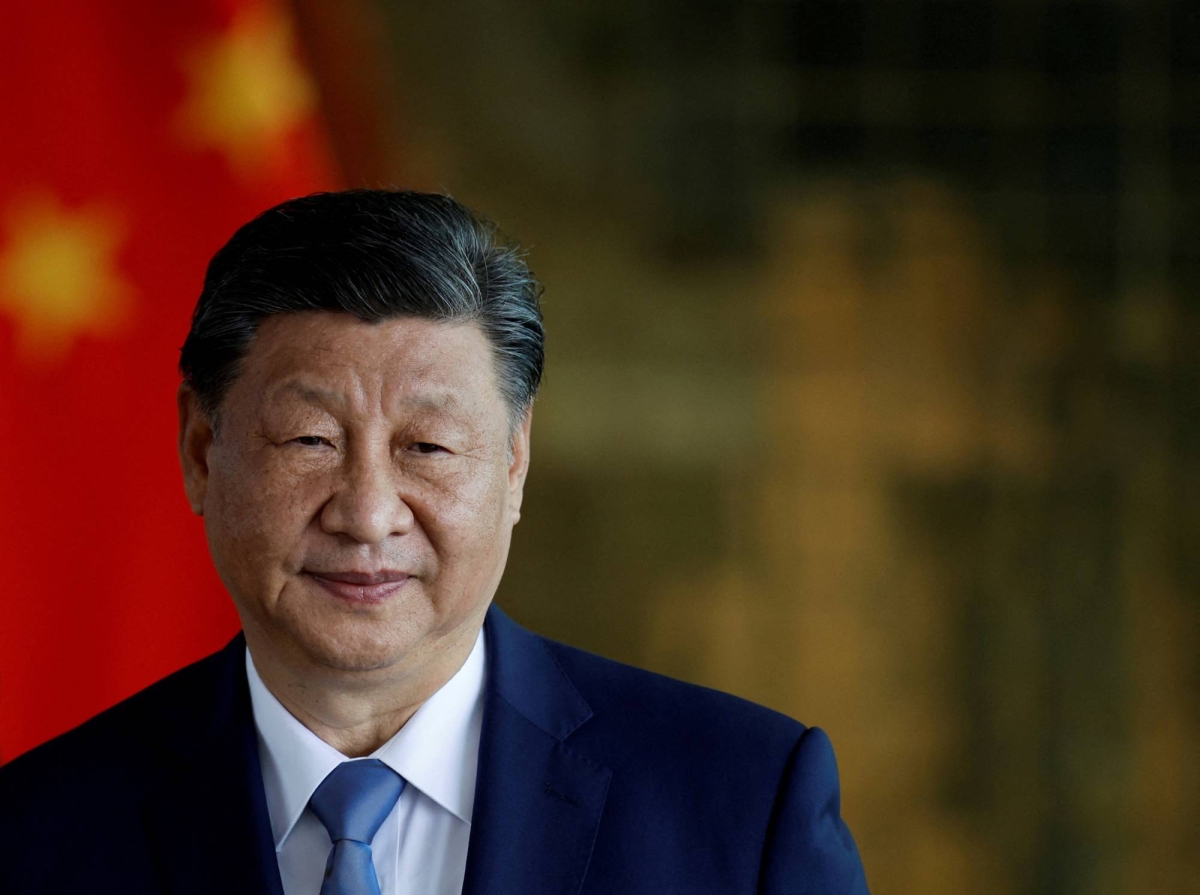
In Beijing, National Day is framed by the government as a celebration of national development, sovereignty, unity and the endurance of the People’s Republic. At a reception on 30 September, President Xi Jinping called for China to meet its economic and social development goals and again set out Beijing’s positions on national sovereignty and Taiwan.
On the morning of 1 October, Xinhua reported that a flag-raising ceremony was held at Tiananmen Square to mark the 77th anniversary of the founding of the People’s Republic.
Outside China, some organisations are using the same anniversary to highlight issues they believe receive insufficient attention in official National Day messaging.
Where are protests and activist actions taking place?
The events are not one centrally organised global campaign. They involve different organisations, communities and demands. Tap a location below to see what has been reported or announced.
Today New Delhi, India
The Tribune reported that dozens of protesters were detained by Delhi Police. The organisation said the demonstration was intended to focus attention on Tibet and China’s policies in the region.
Statements by the Tibetan Youth Congress concerning Tibet’s political status and alleged repression represent the organisation’s position.
Reported by: The Tribune, 1 October 2026.
1 Oct Vancouver, Canada
Organisers invited Hongkongers, Uyghurs, Tibetans, mainland Chinese dissidents and human-rights supporters. The event announcement lists the release of political prisoners among its demands.
Scheduled time: 7:00 PM local time.
Source: Vancouver Society in Support of Democratic Movement.
1 Oct Toronto, Canada
The organisers deliberately timed their arrival to coincide with National Day. Their campaign opposes China’s Ethnic Unity and Progress Promotion Law and raises concerns about Tibetan language, culture and political rights.
These descriptions reflect the organisers’ stated position.
Source: Tibet Post International.
24 Sep Washington, D.C.
Reuters footage showed large crowds carrying Tibetan flags, posters and banners while marching through Washington and demonstrating outside the Chinese Embassy.
Reuters also documented protesters dragging and stepping on a Chinese flag during the march.
Source: Reuters, 24 September 2026.

Why Tibet is prominent in the protests
Tibet is one of the most visible issues surrounding this year’s demonstrations. Tibetan organisations have recently focused attention on China’s Ethnic Unity and Progress Promotion Law, which came into effect in July 2026.
Chinese authorities describe ethnic policy as a means of strengthening national cohesion, development and a shared national identity. Beijing maintains that ethnic minority rights and lawful religious activity are protected under Chinese law.
Tibetan advocacy groups dispute that interpretation. They argue that the policy environment places growing pressure on Tibetan language, religion, education and cultural identity. These arguments have been prominent in protests in India, Canada and the United States.
Beijing’s stated position
Chinese authorities say ethnic policies are designed to strengthen national unity, promote development and create a stronger shared national identity while protecting lawful cultural and religious activities.
Protesters’ stated position
Tibetan campaign organisations argue that some Chinese policies restrict cultural, religious and political rights and increase pressure on Tibetan identity and language.

Washington showed how different campaigns can converge
The September 24 demonstrations in Washington provide important context for the events surrounding National Day. Reuters documented thousands of pro-Tibet demonstrators marching through the US capital while Xi Jinping was visiting Washington.
Participants carried Tibetan flags, photographs of the Dalai Lama, posters and banners criticizing Chinese government policies. Separate activist communities have also used Xi’s overseas visits to raise issues concerning Xinjiang, Hong Kong and political prisoners.
These movements do not necessarily have the same objectives. Tibetan, Uyghur, Hong Kong and Chinese democracy organisations have different political histories and priorities. Their campaigns overlap primarily in criticism of particular aspects of Chinese Communist Party rule.

Why protesters repeatedly choose 1 October
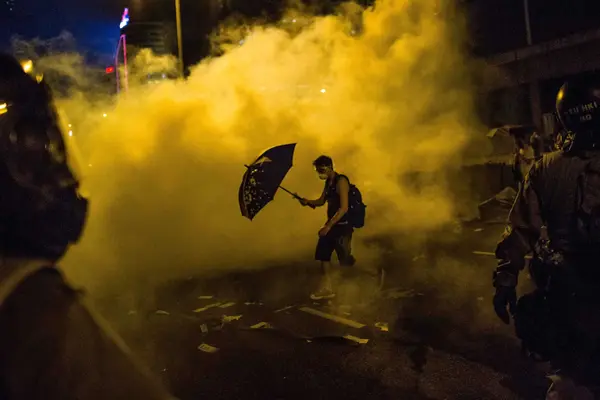
Using China’s National Day as a protest date is not unique to 2026. Tibetan, Uyghur, Hong Kong and Chinese democracy activists have previously held demonstrations around Chinese diplomatic missions on or near 1 October.
The date offers campaigners something that an ordinary protest day does not: international attention is already focused on China. Official coverage produces images of red flags, ceremonies and speeches. Campaign groups can use that same news cycle to present competing accounts of China’s political system and human-rights record.
The London photograph above illustrates that pattern. It was taken on 1 October 2020 during a Hong Kong demonstration outside the Chinese Embassy and shows a burned Chinese national flag. It is included here as historical evidence of how National Day has previously become a focus for overseas protest.
The week surrounding National Day
Thousands of pro-Tibet demonstrators march during Xi Jinping’s US state visit.
Xi Jinping addresses a reception marking the forthcoming 77th anniversary of the People’s Republic.
National Day begins with a flag-raising ceremony at Tiananmen Square.
Tibetan Youth Congress activists protest outside China’s embassy. The Tribune reports that dozens are detained.
Tibetan runners are scheduled to finish their Peace Rally Marathon at China’s consulate.
A coalition rally involving Hong Kong, Uyghur, Tibetan and Chinese democracy activists is scheduled outside the PRC consulate.
Celebration at home, debate abroad
National Day therefore presents sharply different narratives. Chinese authorities emphasize state-building, economic development, sovereignty and national unity. Overseas activists use the anniversary to spotlight political and human-rights disputes that they believe are missing from Beijing’s presentation.
The protests should not be interpreted as representing opinion everywhere outside China, just as the participating organisations do not all share identical objectives. Supporters of the Chinese government also regularly attend overseas events and welcome Chinese leaders during foreign visits.
What makes 1 October politically significant is the timing. As Beijing celebrates the history and achievements of the People’s Republic, its critics deliberately use the same moment to ensure that disputes over Tibet, Xinjiang, Hong Kong, political freedoms and the Communist Party’s governance remain part of the international conversation.
Reporting & Source Base
Xinhua, 1 Oct 2026: National Day flag-raising ceremony at Tiananmen Square.
Reuters, 30 Sep 2026: Xi Jinping’s National Day reception and statements on China’s economic goals and Taiwan.
The Tribune, 1 Oct 2026: Tibetan Youth Congress demonstration outside the Chinese Embassy in New Delhi and detention of protesters.
Reuters, 24 Sep 2026: Pro-Tibet demonstrations during Xi Jinping’s Washington visit.
Vancouver Society in Support of Democratic Movement: October 1 rally announcement outside the PRC Consulate.
Tibet Post International: 2026 Peace Rally Marathon for Tibet concluding in Toronto on October 1.











Leave a Reply